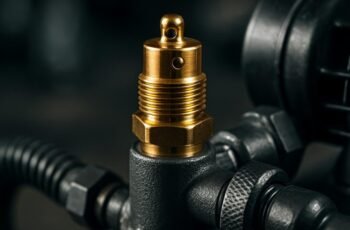
Last week a coworker found a loose hose fitting that nearly caused a spray of compressed air; that’s exactly why we insist on a strict, practical approach to air compressor safety. We set up in a sturdy, well-ventilated space, secure every hose, and confirm guards and electricals meet specs before touch. We inspect everything, test for leaks, and keep fittings tight with clear hose routing away from heat and edges. Stay with us as we outline the steps that keep risk low and productivity steady.
Key Takeaways
- Maintain a sturdy, level base with proper ventilation; secure cords and hoses away from walkways.
- Perform a pre-use inspection of the compressor, hoses, fittings, regulator, and emergency shutoff.
- Ensure hoses, fittings, and safety valves are tight, intact, and compatible; test for leaks before operation.
- Verify controls and gauges; follow a written startup sequence and monitor for abnormal sounds or vibrations.
- Use appropriate PPE, lockout/tagout procedures, and document safety practices and condensate draining routines.
What a Safe Air Compressor Setup Looks Like
A safe air compressor setup begins with a sturdy, level base and proper ventilation to prevent overheating. We design our workspace to minimize vibration, secure cords, and keep hoses off walkways. We mount the unit on a non-slip surface, ensure guards are in place, and verify electrical connections match the manufacturer’s specifications. We label pressure settings clearly, use a regulator, and install an appropriate filtration system to protect components. We avoid unsafe practices like overloading circuits, bypassing safety devices, or running hoses without strain relief. We replace worn hoses and fittings before use, not rely on discarded, outdated equipment. We establish a routine to inspect connection points, drain moisture, and test emergency shutdowns. Following these steps, we maintain a safe, reliable setup.
How to Inspect Your Equipment Before Use
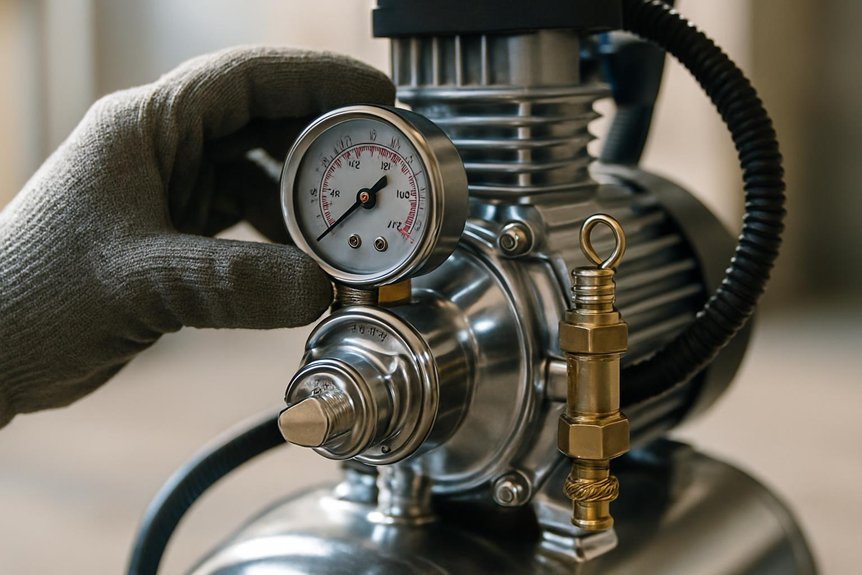
Before we begin, we perform a quick, methodical check of every critical component: the air compressor, hoses, fittings, regulator, and emergency shutoff. We insist on a strict inspection routine before every use. We verify gauges, listen for leaks, and confirm startup and shutdown operations. Calibration checks are completed if the unit demands it, ensuring accurate pressure readings. We document any irregularities and address them before powering on. Our approach is concise, prescriptive, and authoritative, avoiding fluff.
| Component | Checkpoint |
|---|---|
| Air compressor | Power, sounds, and vibration |
| Hoses & fittings | Leaks, cracks, wear |
| Regulator | Setting accuracy, relief function |
Securing Connections: Hoses, Fittings, and Safety Valves
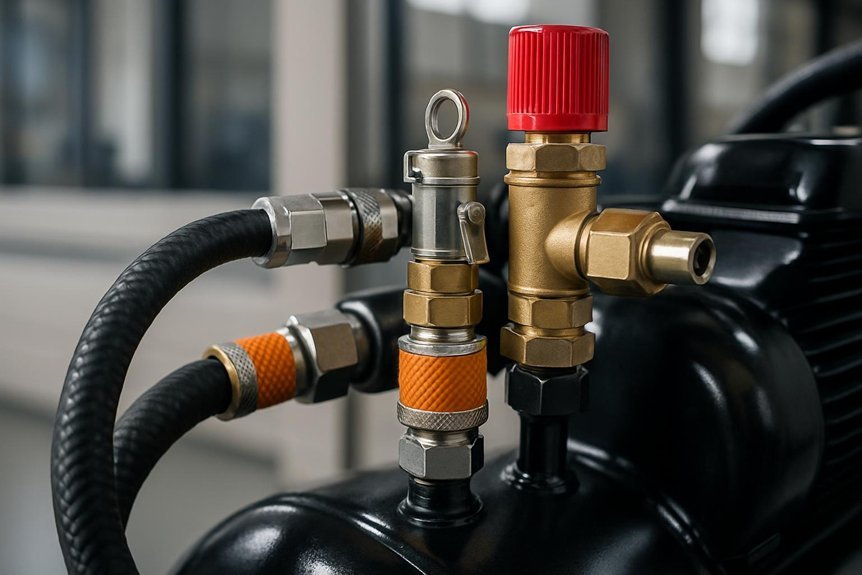
Securing all connections is non-negotiable: hoses, fittings, and safety valves must be tight, intact, and compatible before any operation. We insist on deliberate checks, using the correct hose fittings for your unit, and verifying threading and quick-connect compatibility. Any weak link risks sudden disconnection, injury, or damage. We train to secure connections, test with a controlled pressurization, and listen for leaks. Replace damaged components immediately rather than improvising. Remember to keep hoses routed away from heat sources and sharp edges, protecting both hose and operator.
Securing every connection: inspect, tighten to specs, test for leaks, replace worn parts.
- Check compatibility and threading for every hose or fitting
- Tighten fittings to manufacturer specs, without over-tightening
- Inspect hoses for cracks, bulges, and wear
- Test with pressurized smoke or soapy water for leaks
- Replace worn or damaged safety valves promptly
Correct Start-Up and Operation Procedures
Do we start the compressor with a clear plan? We do. We verify controls, gauges, and connections before power. We follow a written sequence: ensure the circuit is ready, set pressure limits, and confirm airflow paths. We start with gradual pressurization, watching for abnormal sounds or vibrations. If alarms trigger, we stop, diagnose, and resume only after corrected. Our procedure emphasizes start up troubleshooting: isolate faults, inspect hoses, and confirm safety interlocks are functional. We monitor operational signaling on the panel—pressure readouts, motor current, and temperature—and compare against specs. Never bypass safeguards or rush the cycle. After startup, we verify steady cycling, leak checks, and proper unloading. Documentation is completed, and we maintain discipline for consistent, safe operation.
PPE and Protective Measures You Should Wear
We must wear proper PPE to stay safe around air compressors. Eye and face protection, along with hearing and respiratory safeguards, are non-negotiable in every setup. We’ll outline exact standards and enforce strict compliance to minimize risk.
Eye and Face Protection
Eye and face protection is non-negotiable when operating an air compressor; we must wear proper PPE to prevent injuries from flying debris, chemical splashes, and noise-induced damage.
- Wear eye protection that meets ANSI/OSHA standards and provides full-coverage safety lenses
- Use face shields for additional splash and impact protection during rough or grinding tasks
- Secure a snug, comfortable fit to avoid gaps that can trap particles
- Inspect shields and goggles daily for scratches or cracks and replace as needed
- Maintain clean, clear visibility by keeping lenses free of oil and fog with anti-fog treatments
Eye protection and face shields keep us safe, focused, and productive around compressed air.
Hearing and Respiratory Safety
Hearing and respiratory protection goes hand in hand with eye and face safety, because compressed-air work can expose us to loud noise and airborne contaminants. We insist on proper PPE every shift: use hearing protection designed for high-decibel environments, and ensure it fits snugly without gaps. Put on a respirator or appropriate respiratory protection when dust, aerosols, or fumes are present, and confirm cartridges or filters are current for the task. Keep alternatives available for different environments, and never bypass protection for speed. Inspect PPE before use, replace damaged gear, and store it clean and accessible. Follow manufacturer instructions, maintain records, and train teammates on proper usage, fit, and limitations. Prioritize hearing safety and respiratory protection as non-negotiable safeguards.
Common Hazards and How to Avoid Them
Common hazards in air compressor work can surprise you if you don’t stay alert, so start with a clear risk picture and practical controls. We identify hazards, then lock in controls you can trust, minimizing hazardous miscommunication and addressing training gaps. We act now, with tight procedures and immediate actions that prevent injuries and equipment damage.
- Verify lockout/tagout before service
- Wear PPE and secure loose clothing
- Drain condensate and relieve pressure daily
- Inspect hoses for wear; replace cracked lines
- Communicate changes clearly to prevent misreads
We stay disciplined, document decisions, and train to close gaps. If you notice a gap or unclear instruction, fix it immediately and report it. Stay focused, stay safe, and always follow established procedures.
Maintenance, Storage, and Regular Safety Drills
Maintenance, storage, and regular safety drills demand disciplined routines: we keep gear clean, stored properly, and ready, and we practice drills until they’re automatic. We maintain thorough maintenance logs, documenting inspections, parts replaced, and test results. Daily checks verify pressure gauges, hoses, and safety devices are within spec, and any anomaly is logged and addressed immediately. Storage is controlled and organized; we use storage racks to separate compressed-air lines, fittings, and accessories, preventing cross-contamination and trip hazards. Regular drills reinforce shutdown, isolation, and restart procedures, ensuring crew coordination under pressure. We standardize procedures, assign responsibilities, and review outcomes after every drill. Adherence minimizes downtime, extends equipment life, and protects personnel, making safety a dependable routine rather than a reactive response.
Frequently Asked Questions
How Often Should I Replace Safety Relief Valves on an Air Compressor?
We recommend replacement intervals every 5 years and after any valve leak or trip; test frequency should be annually, with pressure relief tests conducted by a qualified technician to verify correct operation and safe, continuous performance.
Are There Age Limits for Portable Air Compressors Used at Jobsites?
We say no fixed age limits apply to portable jobsite compressors, but age restrictions exist implicitly via maintenance history and performance; ensure operator training, document competency, and verify equipment meets safety standards before use.
Can Water in the Compressor Reservoir Cause Hidden Internal Corrosion?
Yes, water in the reservoir can cause hidden internal corrosion, and we warn that it leads to reservoir leaks; drain and dry daily, inspect seals, and use dryer or filters to prevent water-related corrosion and failures.
Do Noise Regulations Require Hearing Protection for Residential Use?
Yes, noise regulations typically require hearing protection for residential use when exposure exceeds limits; we recommend using hearing protection and enforcing it for all occupants to reduce risk and guarantee compliance.
What Licenses or Certifications Are Required to Operate Industrial Compressors?
We require unrelated licensing and unrelated certifications for certain industrial compressors, but specifics vary by jurisdiction; check local regulations. We’ll guide you to verify applicable licenses and certifications, and ensure operators meet the precise, site-specific requirements.
Conclusion
We’ve shown you what a safe air compressor setup looks like and how to keep it that way. Before every use, we inspect, test for leaks, and secure all connections. Start and operate calmly, following lockout/tagout and PPE requirements. Remember: a single loose hose or overheated valve can cause serious harm. Fun fact: properly secured systems reduce hose whips by up to 90%. Stay disciplined, document practices daily, and run drills to keep safety second nature.