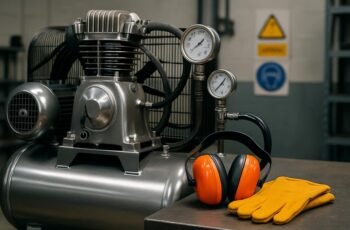
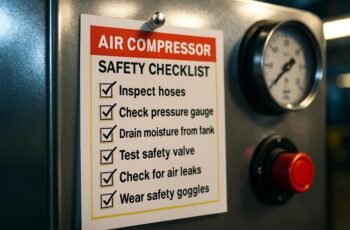
We ride the line between pressure and precision, hearing the hum of a healthy compressor and feeling confident in our daily checks. We’ll guard reliability, worker safety, and cost by choosing the right gear, calibrating routines, and documenting our procedures. But small signs—vibration, odd gauges, worn belts or hoses—will tell us when to pause and review controls before we touch anything. There’s more to cover as we tighten safety into every step.
Key Takeaways
- Implement a systems view for maintenance: prioritize reliability, worker protection, and cost control with documented procedures and proper equipment selection.
- Use lockout/tagout, verify controls before touching any controls, and ensure safe depressurization before maintenance or venting.
- Conduct proactive daily inspections: monitor pressures, temperatures, currents, vibration, noises, belts, hoses, and alignment; record deviations.
- Manage lubrication and part lifecycles: schedule timely lubrication, filter changes, and preemptive part replacements to prevent failures.
- Ensure PPE readiness and safety practices: proper eye/respiratory/ Hearing protection, high-visibility gear, and verification of safety gear before work.
What Safety-Minded Maintenance Actually Covers
What does safety-minded maintenance actually cover? We approach upkeep with a systems view, focusing on reliability, worker protection, and cost control. Our plan prioritizes proper equipment selection, routine calibration, and documented procedures that prevent hazardous conditions. We emphasize lockout/tagout, breathable relief, and accurate pressure settings to minimize overpressure risks. Maintenance budgeting guides how we allocate funds for parts, tooling, and training, ensuring funds are available when failures threaten safety or production. Vendor selection matters too: we evaluate supplier safety records, warranty terms, and response times to keep critical components accessible. We document inspections, track corrective actions, and review results to prevent recurring issues. By combining disciplined scheduling with clear accountability, we reduce risk while supporting steady operation.
Establishing a Proactive Daily Inspection Routine
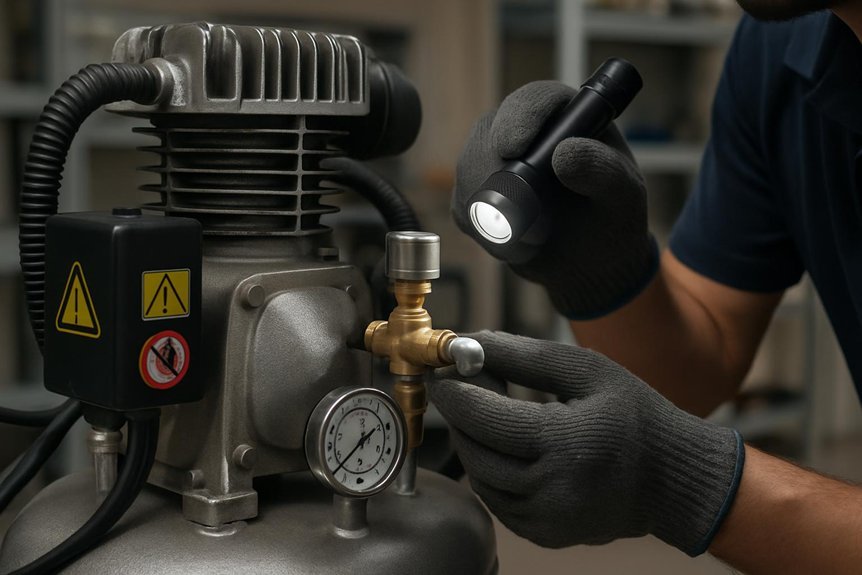
We’ve covered how safety-minded maintenance frames every action, and now we turn to daily vigilance: establishing a proactive inspection routine to catch issues before they become failures. We start each shift with a quick visual and audible check: vibration levels, unusual noises, belt tension, and gauge readings. We record intake and discharge pressures, motor current, and temperatures, flagging any deviations. Regularly inspect lubrication, filters, and coupling alignment, correcting wear before it propagates. We document outlet cleanliness and drainage, watching for signs of cavitation risks in pump stages and piping. Prioritize noise reduction by identifying piping resonances, loose fittings, or bearing wear that raise decibel levels. This routine is a living checklist, updated after incidents or near misses, ensuring risks are anticipated and controls stay effective.
Safe Depressurization and Drainage Practices
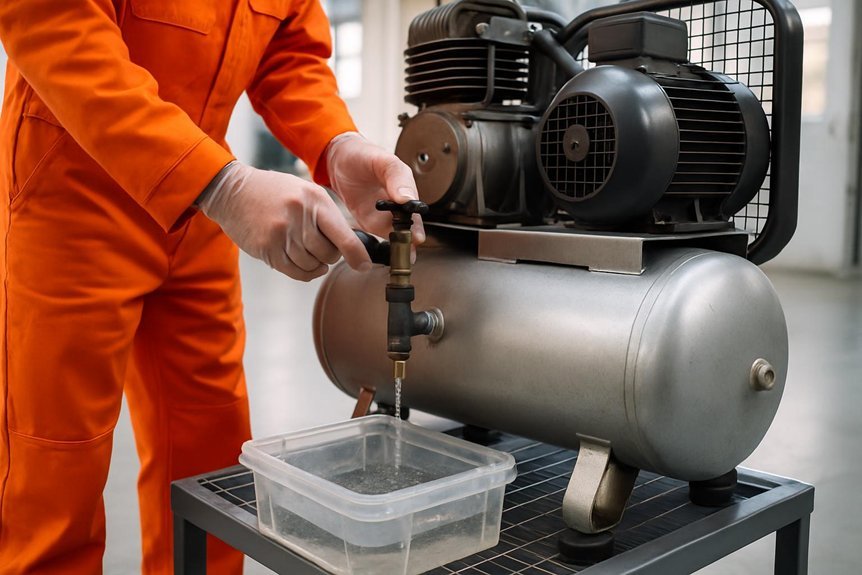
We’ll walk you through safe depressurization and drainage steps to protect you and the equipment. We start with clear depressurization procedures, then apply effective drainage techniques to remove condensate and moisture promptly. If you have questions about timing or sequence, we’ll work through them together to keep every action precise and safe.
Safe Depressurization Procedures
Safe depressurization and drainage are critical for preventing injury and equipment damage. We take a measured, stepwise approach to release pressure safely after operation. First, we verify circuit isolation and confirm that the compressor is no longer delivering air. Then we initiate depressurization using the approved vent or drain valve, watching gauges and listening for steady, quiet relief. We perform post pressurization checks to ensure all residual pressure is gone from critical lines before touching piping, fittings, or accessories. Never bypass safety devices or rush the venting process. We time depressurization to match the system’s design, avoiding abrupt releases that could shake components loose. Document the timing and results, and recheck before any maintenance begins.
Effective Drainage Techniques
How can you ensure water, oil, or condensate doesn’t linger in your system? We’ll prioritize safe depressurization and targeted drainage to keep moisture from building up. Implement drainage sequencing so each stage releases condensate in the correct order, avoiding pressure spikes or backflow. Regularly drain lowest points first, then service ports, and finally the receiver, aligning with compressor cycles. Use moisture management practices that separate oil from condensate and collect it for proper disposal. Verify traps and drains are operable, test monthly, and document results. Remember to vent and depressurize before opening any drain. Table shows quick checks:
| Step | Action |
|---|---|
| 1 | Depressurize system safely |
| 2 | Activate drains and traps |
These steps promote reliability, safety, and longevity.
Inspecting Belts, Hoses, and Couplings for Wear
We’ll start by checking belt wear, looking for cracks, fraying, and glazing. We’ll verify hose integrity for cracks, leaks, and bulges, and inspect couplings for looseness or corrosion. If we spot any wear or damage, we’ll tag it for repair or replacement before resuming operation.
Inspect Belt Wear
Inspecting belts, hoses, and couplings for wear is essential to prevent sudden failures and keep your air compressor running safely. We look for fraying, cracking, glazing, or visible splits on belt surfaces, and we check tension to ensure proper engagement without excessive strain. If we spot oil contamination, thinning areas, or misalignment, we stop and reassess before use. For belt wear inspection, we compare with the manufacturer’s specs and replace if wear exceeds recommended limits. We also inspect pulleys and mounting hardware for wobble or looseness, correcting alignment as needed. If the belt shows signs of significant wear, belt replacement is prudent to avoid breakdowns and maintain consistent pressure. Regular, deliberate checks protect operators and extend equipment life. Safety first, always.
Check Hoses Integrity
Belt wear is important, but hoses and couplings can fail in silence, so we shift our focus to Check Hoses Integrity. We inspect hose assemblies for cracks, soft spots, bulges, and kinks, and we replace any worn section immediately. Check fittings for corrosion, looseness, or misalignment, and listen for hissing that signals leaks. We trace the entire length of hoses from the compressor to the tool, ensuring clamps are secure and clamps aren’t over-tightened. We test for flexibility, avoiding sharp bends that stress the hose. We document findings and tag parts with visible dates for replacement cycles. Prioritize hose integrity to prevent unexpected outages, protect operators, and maintain safe pressure. Remember, hose integrity supports overall system reliability and reduces downtime caused by belt wear and related failures.
Lubrication, Replacement Schedules, and Part Lifecycles
Lubrication, replacement schedules, and part lifecycles are critical to keeping an air compressor safe and reliable. We approach this like a maintenance checklist: oil or grease meets spec, intervals follow manufacturer guidance, and wear is tracked. We monitor lubricant condition, replace filters, and log changes to prevent surprises. By aligning lubrication schedules with running hours, we reduce friction, heat, and energy draw while extending component life. We also anticipate part lifecycles, replacing seals, valves, and bearings before failure. This proactive stance protects operators and equipment.
| Item | Notes |
|---|---|
| Lubrication | Use approved lubricant; document dates |
| Part lifecycles | Track date, hours, and replacement intervals |
Electrical and Compressor Controls Safety Checks
Electrical and compressor controls demand our close attention: we verify wiring integrity, test interlocks, and confirm proper control‑panel operation before powering up. We approach electrical safety and control panels with disciplined checks, preventing faults that could start a compressor unexpectedly. Before startup, we review wiring diagrams, ensure grounding is intact, and confirm pressure switch logic aligns with system requirements.
Electrical and compressor controls demand our close attention before powering up, ensuring safe, reliable operation.
- Verify interlocks and safety relays function correctly
- Inspect control panels for clean, secure connections
- Confirm gauges, alarms, and cut‑out thresholds match specs
- Test startup/shutdown sequences at no‑load and full‑load conditions
We stay proactive, documenting findings and correcting issues promptly to maintain safe, reliable operation.
Setting Up Safety Accessories and Operator PPE
What safety gear and accessories do we rely on to protect ourselves during setup, and how do we verify they’re ready for work? We confirm PPE fits, is clean, and free of damage before touching any controls. We wear Eye protection, Respiratory mask, and Hearing protection during setup tasks with noise or dust, and we keep Face shields or Safety glasses in place as needed. Our Hard hat remains on hard surfaces, with High visibility clothing making us easy to see. Steel toe boots shield feet, and arc flash considerations guide glove choices. We use a Lockout tagout procedure to secure energy sources, then inspect equipment anchors and cords. If anything seems compromised, we pause and replace or consult supervision before proceeding.
Troubleshooting Alert Signals and When to Retire Equipment
How do we quickly recognize warning signs and know when it’s time to retire gear? We rely on clear troubleshooting alerts and honest assessments of performance. When the compressor loses efficiency, makes abnormal noises, overheats, or shows frequent pressure drops, treat it as a red flag. If maintenance becomes reactive rather than proactive, it’s a sign equipment retirement should be considered. Safety isn’t negotiable, so prioritize risk reduction and reliability over stubborn fixes. We document trends, schedule inspections, and replace parts only when they restore safe operation. Don’t overlook leaks, corrosion, or mounting instability; these threaten operators and downstream processes. When in doubt, retire and replace with tested units to maintain uptime and safety.
- Troubleshooting alerts indicating declining performance
- Signs prompting immediate operation pause
- Evaluation criteria for equipment retirement
- Replacement planning and safety handoff
Frequently Asked Questions
How Do I Verify Compressor Safety Labeling Accuracy During Brand Swaps?
We verify safety labeling during a brand swap by cross-checking model numbers, part numbers, and rating labels, then conduct labeling verification with the new tags, documenting discrepancies, and retraining staff to ensure consistent, accurate, clear safety communication.
What Ambient Conditions Most Degrade Air Compressor Safety Performance?
Ambient conditions like extreme temperatures, humidity, dust, and vibrations degrade ambient conditions safety performance; we notice this quickly. We monitor, adapt, and tighten controls together, ensuring our safety performance stays robust and our gear stays reliable, reader.
Are There Risks With Recycled or Refurbished Safety Valves?
Yes, there are risks with recycled safety valves and refurbished valves; we assess integrity, perform testing, and replace questionable parts to prevent leaks or failure. We insist on traceable parts, documented history, and proper calibration before use.
How Often Should Noise and Vibration Data Be Recorded for Safety?
We should record noise data and vibration data monthly, as a baseline and after any change. We’ll monitor trends, alert you to spikes, and keep crews safe, like sailors checking gauges—steady, precise, and proactive in every reading.
What Are Signs of Hidden Electrical Arc Faults in Controls?
Hidden arc faults may show up as warm panels, buzzing, or tripped breakers; electrical faults can cause flickering lights and abnormal relay noises. We’ll inspect connections, measure insulation resistance, and test protective devices to prevent hazards.
Conclusion
We’ve seen how a safety-minded routine keeps compressors reliable and people safe. The payoff isn’t just fewer outages—it’s a 30% reduction in unplanned downtime when daily checks catch issues early. If we lock out, depressurize properly, and verify controls before touching anything, we stop accidents before they start. Keep to documented procedures, monitor wear, and tighten part lifecycles with proactive planning. Stay disciplined, train everyone, and retire equipment before the risk outweighs the benefit.