We understand air compressor safety hinges on solid safeguards, proper wiring, and disciplined maintenance. We’ll cover how regular checks of cords, plugs, outlets, and connections reduce risk, the role of grounding and earth bonding, and why service receptacles with protected disconnects matter. We’ll outline adequate overcurrent protection, lockout/tagout, PPE, and clear communication before service. There’s more to align—and the next steps will show how to apply these practices on your site.
Key Takeaways
- Identify and isolate all energy sources with lockout/tagout; test isolation with a voltage detector before work begins.
- Ensure robust grounding and proper earth bonding to reduce shock risk and equipment damage.
- Inspect cords, plugs, connections, and service receptacles; verify guards, interlocks, and emergency stops function correctly.
- Verify permits, documentation, and communication are current; remove locks only after safeguarding steps are rechecked.
- Use quick-check routines to test pressure relief, cutoffs, alarms, and record results for trend analysis and audits.
What Is at Stake: The Basics of Air Compressor Electrical Safety
Electrical safety isn’t optional on air compressors; it’s essential. We focus on what’s at stake: reliable operation, personnel protection, and long-term equipment integrity. Safe wiring isn’t just a guideline—it’s a fundamental barrier to arcing, overheating, and fire risk. Proper routing, secure terminations, and appropriate gauge matter for every circuit in use. We emphasize immediate fault isolation when anomalies appear: unexpected heat, buzzing, or tripped breakers demand prompt inspection to prevent cascading failures. Regular checks of cords, plugs, and outlets help us detect damage before it becomes dangerous. Ground-fault considerations, proper conduit, and protected connections minimize exposure to energized metals. By adhering to disciplined wiring practices, we reduce downtime and injuries, keeping system performance predictable and safe for everyone involved.
Electrical Supply Essentials: Wiring, Grounding, and Service Receptacles
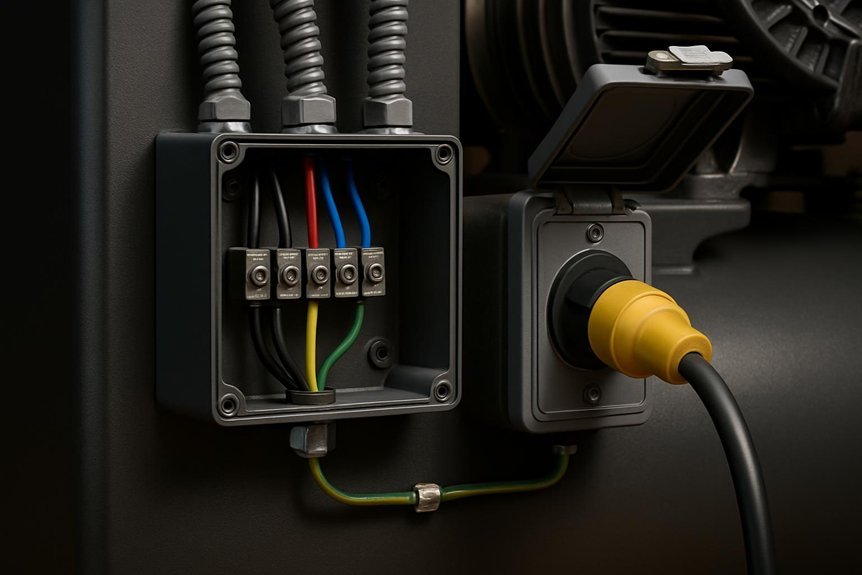
Have you considered how wiring, grounding, and service receptacles shape safe operation? We approach electrical supply with disciplined attention. First, we verify correct wiring color codes and secure terminations to prevent loose connections that heat and arc. Next, grounding establishes a low-impedance path, reducing shock risk and equipment damage; we confirm a proper earth electrode and bonding across metallic enclosures. Then, service receptacles must be appropriate for the load, weather if outdoors, and protected by a properly rated disconnect. We document circuit capacity, surge protection, and tamper-resistant features where applicable. Two word discussion ideas, electrical supply, guide our checks: redundancy and clarity. We keep paths clean, boxes closed, and cords off heat sources. This methodical approach minimizes faults and supports reliable air compressor operation.
Overcurrent and Short-Circuit Protection You Can Rely On
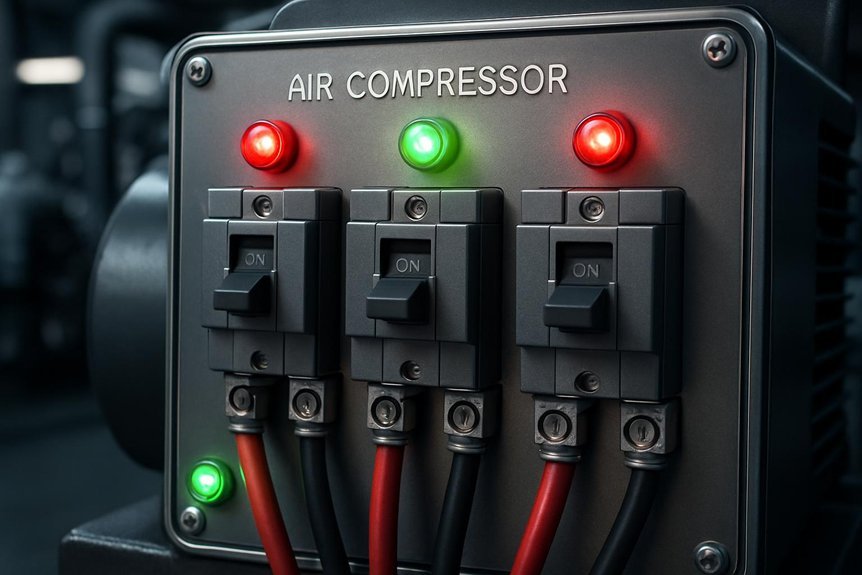
We’ll cover circuit breaker basics, how ground fault differentiation works, and practical short-circuit protection planning. You can rely on clear criteria for selecting devices and coordinating protection with your compressor load. We’ll keep it precise and actionable so you know what to check and implement.
Circuit Breaker Basics
Circuit breakers protect our circuits by interrupting current when it exceeds safe levels or when a short occurs. We’ll cover circuit breaker basics and how load calculations guide selection, so you can count on protection without nuisance trips. Our approach is precise, direct, and practical.
- Identify safe operating current by analyzing load calculations for each tool and outlet.
- Choose a breaker with a current rating that exceeds continuous load by a margin to avoid nuisance trips.
- Consider breakthrough metrics like interrupting capacity and device type to match wiring and NEC guidelines.
We emphasize sizing, coordination with downstream devices, and testing procedures to ensure reliable protection. If you understand these basics, you’ll implement reliable overcurrent protection for your air compressor setup.
Ground Fault Differentiation
Ground fault differentiation is essential for reliable protection, especially with air compressors that can run on damp or dusty environments. We implement ground fault detection to sense imbalances between live conductors and the neutral. When leakage exceeds a safe threshold, the system trips, reducing shock risk and equipment damage. Our approach uses differential protection principles, comparing current entering and leaving the protected circuit. Any discrepancy indicates a potential fault, prompting an immediate shutoff. We select devices with appropriate sensitivity and coordination to avoid nuisance trips during startup or brief transient leaks. Regular testing ensures functionality: simulate faults, verify trip times, and inspect wiring integrity. In practice, this method complements general overcurrent safeguards, providing targeted protection for personnel and components without compromising operational reliability.
Short-Circuit Protection Planning
Previously, we focused on ground fault differentiation to limit shock risk and equipment damage. Now, we address short-circuit protection planning, emphasizing reliable overcurrent defenses and arc flash awareness. Our goal is to minimize disruption, injuries, and downtime with disciplined design and inspection.
We propose these core steps:
1) Specify protective devices matched to load and conductor ratings, with clear coordination curves.
2) Implement proper overcurrent protection sizing, device trip settings, and selective coordination to isolate faults quickly.
3) Establish routine verification via thermal imaging, contact resistance checks, and periodic calibration of breakers and fuses.
Lockout/Tagout and Energy Isolation for Compressors
Another suitable wording to replace ONLY the phrase “to consider” in the ORIGINAL TEXT:
Have you ever paused to reflect why lockout/tagout and energy isolation are essential for compressors? We approach this topic with clear steps, ensuring the system cannot start unexpectedly. Our lockout procedures are standardized, documented, and auditable, so authorized personnel perform isolation consistently. We identify energy sources—electrical, pneumatic, and potential stored energy—and verify de-energization before work begins. Tagouts accompany locks to convey status and hold personnel accountable. We isolate circuits, bleed pressure, and discharge capacitors as required, then verify zero-energy conditions with appropriate testing. Communication roles are defined, and training reinforces continuous compliance. We document each step, maintain equipment, and review procedures after changes. This disciplined approach minimizes shock, burns, and mechanical startup risks, protecting workers and sustaining safe compressor operation.
Regular Inspection and Maintenance for Safe Operation
Regular inspection and maintenance keep compressors reliable and safe. We approach this with a disciplined routine that minimizes downtime and maximizes performance. By committing to regular inspection and preventive maintenance, we prevent small issues from becoming failures.
Regular inspection and preventive maintenance keep compressors reliable, safe, and performing at their best.
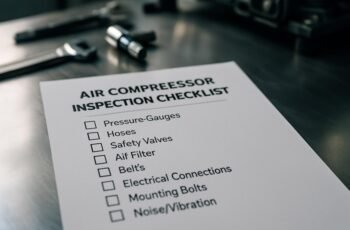
- Schedule checks for belts, hoses, and fittings, noting wear, cracks, and tension.
- Verify electrical connections, gauges, and safety switches, ensuring proper polarity and insulation.
- Clean filters and cooling passages, confirm lubricant levels, and log operating temperatures.
We document findings, assign corrective actions, and track completion. This disciplined recording supports accountability and proactive care. Our goal is consistent performance, reduced unexpected shutdowns, and extended service life. If anything seems abnormal, we pause operation and address it before resuming. Regular inspection and preventive maintenance are fundamental to safe, reliable operation.
Hazards to Watch For and Preventive Practices on Site
We need to be vigilant about electrical lockout procedures and ensure they’re followed before any service work. We’ll also address common PPE misuse and how it undermines safety, so readers understand the exact risks and controls. By sticking to proper lockout practices and correct PPE use, we reduce hazards on site and protect everyone involved.
Electrical Lockout Procedures
Lockout procedures are a critical guardrail for electrical safety on site, and we must approach them with discipline. We follow strict steps to ensure energy is isolated, tested, and cannot re-energize during maintenance. Our focus stays on preventing accidental startups, arc flash, and stored-energy releases. We couldn’t risk a gap in control, so we verify tags, documentation, and communication before any work begins. COULDN’T MEND, we rely on robust GROUNDING PRACTICES to reduce fault current and protect personnel.
- Identify all energy sources and lock devices, documenting each stage.
- Apply hardware-labeled locks and test isolation with a voltage detector.
- Review permits, communicate changes, and remove locks only after safeguards are rechecked.
Personal Protective Equipment Misuse
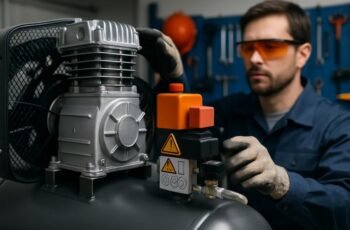
Personal protective equipment misuse on site can create serious hazards, so we stay vigilant for improper fit, damaged gear, and outdated standards that compromise protection. We examine PPE before each shift, checking for cracks, tears, and worn fasteners, and we replace any compromised items promptly. When selecting equipment, we ensure it matches the task and the user’s size, and we confirm proper donning, doffing, and storage procedures to prevent contamination or degradation. We train teams on the limits of protection and the importance of maintenance, inspection intervals, and retirements. We insist on correct compatibility with other safety controls, avoiding improvised solutions. By prioritizing fit, condition, and documentation, we minimize exposure to hazards. Through disciplined practice, personal protective efficacy remains reliable and our site safer.
Quick-Check Routine: A Ready-to-Use Safety Checklist
Is your quick-check routine truly ready-to-use for air compressor safety? We’re defining a practical, ready-to-use safety checklist that guides our day-to-day work. Our approach centers on clarity, swift verification, and repeatable steps that minimize risk while maximizing efficiency. We integrate quick check routine ideas into a consistent protocol you can trust, aligning with our safety auditing goals and regulatory expectations.
- Inspect electrical connections, cords, and plug integrity before startup.
- Verify guards, interlocks, and emergency stops function correctly and unobstructed.
- Test pressure relief, cutoffs, and audible alarms, recording results for trend analysis.
Consistency, documentation, and proactive rectification keep incidents rare and downtime minimal. Use this framework to sharpen your safety auditing and sustain reliable operation.
Frequently Asked Questions
How Do I Verify Correct Wire Gauge for Different Compressor Models?
We verify wire gauge by consulting device manuals and NEC charts, then match each compressor model’s amperage to the proper gauge. We verify wire gauge with each model’s nameplate, ensuring breakers align, wire length, and voltage remain within specs for safe operation.
What Are Common Signs of Deteriorated Electrical Insulation?
We’ll see common insulation flaws like cracking, oozing, and discoloration, and we’ll test using insulation testing methods to verify integrity. We’re methodical, concise, and precise, and we’ll share findings with you clearly, avoiding unnecessary speculation.
Which Extension Cords Are Permissible for Compressors?
We can’t use just any extension cords; choose cords rated for the load, matching or exceeding the compressor’s power rating, and guarantee proper gauge. For electrical safety, inspect cords regularly during compressor maintenance and unplug when not in use.
How Should Arc-Fault Protection Be Configured for Air Compressors?
We’ll set arc fault protection configuration per manufacturer specs and verify wire gauge. We’ll inspect circuit integrity, use proper breaker rating, and test monthly, because safety matters—arc faults protect us when wiring faults threaten the compressor and crew.
What Steps Ensure Safe Startup in Cold Environments?
We start safe by performing cold weather startup checks: inspect insulation integrity protection, verify battery and wiring health, preheat or warm components if needed, and ensure proper venting and lubricant temperature. We follow a methodical, concise procedure with care.
Conclusion
We’ve covered the core of safe air compression: solid wiring, proper grounding, and protected service receptacles, plus reliable overcurrent and ground-fault protection, plus lockout/tagout and regular maintenance. In practice, this means disciplined checks before every shift and clear isolation during service. Did you know workplaces using formal electrical-safety programs reduce injuries by about 50%? Let’s commit to a quick pre-check, verify disconnects are intact, and document findings to keep everyone safe and productive.