Did you know that improper tank maintenance can double the risk of catastrophic failure in a typical workshop? We take air compressor safety seriously, outlining precise checks, safe operation steps, and clear emergency actions to prevent leaks, rust, or bursts. We’ll walk through daily routines, pressure basics, and gear choices, but every step leaves us with one question: are we applying these practices consistently enough to keep everyone secure? Let’s explore what it takes to stay ahead of trouble.
Key Takeaways
- Regularly inspect tanks for corrosion, cracks, leaks, and loose fasteners; document and address deviations before use.
- Verify pressure ratings (operating, maximum, burst) and relief valve setpoints to prevent overpressure and component failure.
- Drain moisture traps and condensate daily; ensure drains function freely to avoid corrosion and hydraulic lock.
- Start, run, and stop procedures: confirm connections, monitor gauges, depressurize safely, and minimize noise with proper enclosures.
- Implement PPE, training, lockout/tagout, and emergency plans; designate storage, hose placement, and routine maintenance to reduce risk.
How a Compressor Tank Works and Why Safety Matters
We can start by describing how a compressor tank operates and why safety matters. We operate as a unified unit to store compressed air, regulate pressure, and supply steady force when needed. Inside, a cylinder and piston create a breathable pressure range, while a relief valve prevents overpressure. The regulator, gauge, and control switch coordinate intake, storage, and delivery, ensuring consistent performance. Tank design emphasizes structural integrity, corrosion resistance, and safe venting, so materials and welds tolerate fatigue. Noise control is essential for workplace safety and comfort, guiding enclosure, mounting, and insulation choices. We monitor coolant, lubrication, and leaks to avoid sudden pressure swings. Regular maintenance confirms valve seating, pressure settings, and safety devices are functional, minimizing risk during startup, storage, and use.
Daily Inspection Routines for Tank Integrity
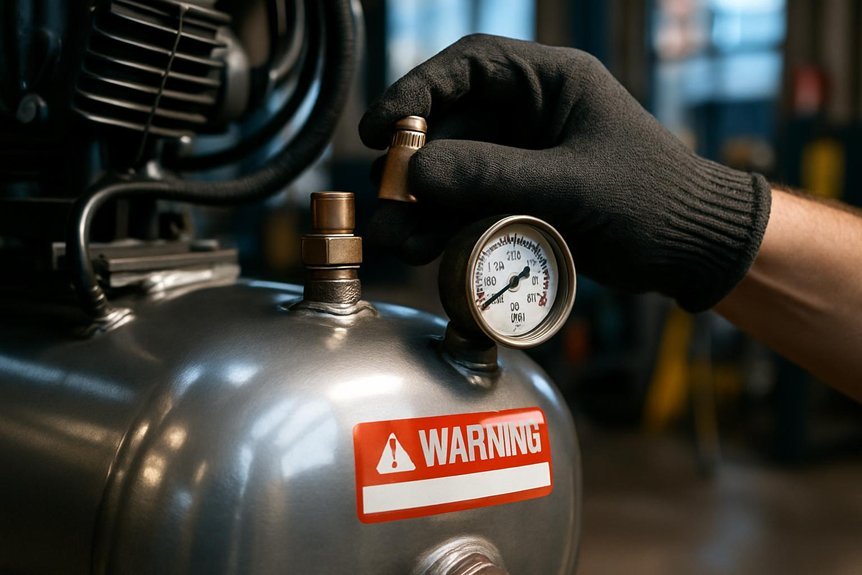
How do we spot trouble before it starts? We approach daily inspections with a disciplined checklist that targets tank integrity. We start by confirming service dates on tags, then verify visible welds, seams, and bolts for corrosion, cracking, or missing fasteners. We listen for unfamiliar hissing or lek, and feel for warm spots suggesting overpressure risk. We inspect gauge accuracy, drain valves, and moisture traps, ensuring drains operate freely and no water is accumulating at the low point. We document deviations, categorize urgency, and schedule repairs before use. We keep a clean environment, remove debris, and store tools properly. Avoid unrelated topic distractions, focus on measurable indicators and corrective actions that prevent failures and protect crew. Off topic notes don’t belong in our safety routine.
Understanding Pressure Ratings and Regulator Basics
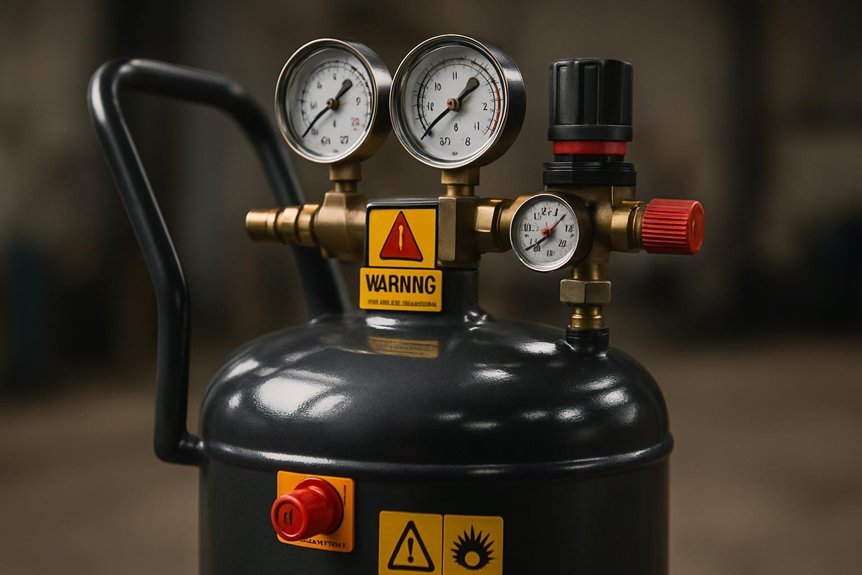
We’ll start by clarifying pressure rating basics and how regulators set and maintain safe operating ranges. We’ll explain how regulators control output pressure and why choosing the right rating matters for your tank’s safety and performance. By outlining these essentials, we’ll establish a precise foundation for proper use and risk-aware adjustments.
Pressure Rating Basics
What exactly do pressure ratings tell us, and why do they matter for safety? We, as a team, explain that ratings indicate the maximum and service pressures a tank and components can withstand without failure. We focus on four figures: operating pressure, maximum working pressure, burst pressure, and relief or safety valve setpoints. Aligning these values prevents overloading fittings, welds, and seals. We verify compatibility among compressors, hoses, and regulators, ensuring each part tolerates the intended duty cycle and ambient conditions. We document air storage, cycle rates, and anticipated demand to avoid short cycling or overheating. We also consider finish quality and material integrity, noting that paint finishes or coatings must not conceal corrosion risks. We assess fuel sources nearby and ensure proper ventilation for safe operation.
Regulator Function Essentials
Regulators are the control valves of compressed-air systems, and understanding their function is essential for safety and performance. We’ll outline regulator function in practical terms, focusing on how a regulator maintains stable pressure for tools and circuits. Pressure regulation begins with the inlet pressure, then the regulator senses downstream demand and adjusts a valve to equalize output. We rely on seals, diaphragms, and springs to hold a steady setpoint while resisting flow surges. We warn against skipping calibration or using damaged components, as fluctuations can cause tool stalls or hose failures. We’ll specify the role of relief features and backup gauges for monitoring. In use, correct regulator function reduces wear, improves accuracy, and supports safe, efficient operation.
Safe Operation: Starting, Running, and Stopping the System
Starting, running, and stopping a compressed air system safely requires a deliberate, stepwise approach. We approach operation with clear checks, deliberate actions, and risk awareness. Before starting, verify pressure settings, safety valves, and hose connections. During run, monitor gauges, listen for abnormal sounds, and minimize unsafe handling. When stopping, depressurize safely, disconnect power, and drain moisture. We emphasize noise reduction where possible, using enclosures or mufflers, and keep work areas clear to reduce hazards. This routine reduces surprises and protects personnel and equipment.
| Step | Action |
|---|---|
| 1 | Inspect connections and gauges |
| 2 | Start with load, monitor indicators and noise |
| 3 | Stop, depressurize, and secure equipment |
Hazard Signs: Leaks, Rust, and Corrosion to Watch For
Hazards in a compressed-air system aren’t always obvious. We guide our readers to spot signs early: leaks, rust, and corrosion that threaten tank integrity. We inspect for audible hiss, steady moisture at joints, and damp, discolored patches on metal surfaces. Leaks waste energy and heighten pressure fluctuations, so we prioritize leak detection as a core safety measure. Rust may indicate prolonged moisture exposure; we assess seams, welds, and fittings for pitting or flaking, documenting any corrosion risk. Immediate action reduces rupture risk and maintains performance. We advise a disciplined approach: map vulnerable areas, monitor for new damage, and escalate concerns to qualified personnel. Together, we stay vigilant, reinforcing safe operation through proactive inspection and rust prevention awareness.
Maintenance You Can Do: Draining, Relief Valves, and Moisture Traps
We’ll cover drainage best practices, ensuring we remove condensate safely and on schedule to prevent corrosion and pressure issues. We’ll also verify relief valve operation and setpoints, because a failed valve can escalate risk quickly. Finally, we’ll inspect moisture traps for proper function, replacing components as needed to maintain air quality and system integrity.
Drainage Best Practices
Drainage is essential for safe, reliable operation of an air compressor. We approach drainage best practices with precision, outlining practical steps that you can perform without specialized tools. First, establish a regular schedule for draining condensate from the tank and lines, and document results to monitor drainage efficiency over time. We verify that drains and moisture traps are functioning fully, then purge briefly to ensure clear, continuous flow. Next, we separate moisture management from routine operation by maintaining clean, dry air downstream and inspecting for signs of corrosion or sediment buildup in the tank. We keep relief valves unobstructed and test during maintenance windows to confirm proper venting. Finally, we review gaps in procedures and refine them for consistent, safe performance.
Relief Valve Checks
How often should we verify relief valve function to prevent overpressure? We schedule checks as part of routine maintenance, documenting test dates and results to protect tank integrity. We test relief valves for proper seating, audible release, and restoration to set pressure after discharge. If valve cocks, leaks, or sticks, replace promptly and re-test to confirm correct operation. Always depressurize safely before handling, and ensure the system’s pressure gauge aligns with the valve’s rating. Use a calibrated method and record any adjustments. Regular checks reduce risk, protect personnel, and safeguard equipment.
| Condition | Action |
|---|---|
| Normal | Verify function, observe release timing |
| Faulty | Replace valve, re-test for tank integrity |
Moisture Trap Maintenance
Moisture trap maintenance is essential to prevent water carryover and corrosion in the system. We approach traps with a clear, repeatable routine: inspect seals, ensure trap placement is correct, and verify drainage paths are unblocked. We drain traps regularly, observing for steady flow without bursts, and reset any sluggish or stuck components. We test relief valves after maintenance to confirm proper operation, and we document results for accountability. We avoid improper ventilation by keeping work areas dry and ventilated, reducing condensate buildup near electrical components. We assess trap integrity under pressure changes and replace damaged units promptly to minimize electrical hazards and system risk. By documenting steps and observations, we maintain a safer, more reliable air system.
How to Handle Emergencies: What to Do If a Leak or Burst Occurs
A leak or burst in an air compressor tank demands immediate, decisive action to protect people and property. We stay calm, activate our emergency response protocols, and assess the scene for immediate hazards. If safe, we cut power at the main switch to halt pressure buildup and evacuate nonessential personnel. We establish a clear, rapid perimeter and call for trained responders or facility maintenance if available. We isolate affected lines, depressurize the system via designated outlets, and verify no ignition sources remain nearby. We document time, location, and observed damage for reporting. Throughout, we maintain concise communication with team, assigning roles and confirming understanding. We review our containment steps and plan a controlled restart only after a qualified assessment confirms safety.
Safe Storage and Placement of the Compressor and Hoses
Safe storage and placement of the compressor and hoses is essential to prevent damage, injuries, and unnecessary wear. We suggest designating a stable, dry area with adequate ventilation, away from heat sources and moisture. Keep the compressor on a level surface to prevent tipping and shielded from accidental impact. Store hoses coiled neatly, avoiding sharp bends, and use wall hooks or reels to prevent tripping hazards. Ensure all connections are fully released before storage to avoid pressure buildup in the line. When possible, store indoors to minimize corrosion and UV exposure. Implement a clear hose routing plan that minimizes friction, clutter, and pinch points. Regularly inspect mounts, cords, and fittings for wear, and replace damaged parts promptly to maintain safe, reliable operation.
Common Mistakes That Compromise Tank Safety and How to Avoid Them
Have we addressed all the common oversights that put an air compressor tank at risk? We start by identifying risky habits that undermine safety: neglecting regular inspection cycles, ignoring pressure relief valve function, and delaying repairs after dents or corrosion appear. Misusing repair methods or attempting makeshift fixes can trigger failures under load. Inadequate drain practices leave moisture, which promotes corrosion and weakening seams. Overfilling tanks or exceeding duty cycles strains materials and accelerates fatigue. Poor labeling and unclear maintenance logs obscure warning signs, inviting complacency. We resist unrelated topic detours or random speculation, staying focused on verifiable actions and documented procedures. Instead, we implement disciplined checks, enforce valve testing, and schedule timely valve and tank assessments to preserve integrity.
Choosing Safer Practices and Gear: PPE and Upgrade Considerations
With maintenance rigor in place, we shift to the gear and practices that reduce exposure to risk during operation and service. We evaluate PPE options to balance protection and comfort, targeting PPE optimization that fits our tasks. Eye protection, hearing protection, gloves, and respirators are selected based on tested risk profiles, not trends. We implement layered controls: equipment guards, lockout procedures, and clear labeling accompany training so habits become automatic. Upgrades are chosen for measurable impact, prioritizing reliable pressure relief, residual risk reduction, and maintenance accessibility. We embed disaster planning into daily routines, rehearsing response steps for leaks or bursts. We document findings, track wear, and retire aging gear promptly. By aligning gear choices with procedures, we reduce exposure and sustain safer operation.
Frequently Asked Questions
How Often Should You Test the Tank’s Steel Integrity Independently?
We recommend independent inspection at least annually to verify steel integrity, and sooner if you notice any dents, leaks, or corrosion, because sustained use without verification risks catastrophic failure and injuries. We prioritize cautious, systematic, documented evaluations.
Can Cold Weather Affect Tank Pressure Relief Function?
“Cold weather can affect pressure relief function.” We understand that, so we inspect, test, and monitor meticulously. We monitor cold weather impacts on relief function, validate adjustments, and document procedures to keep everyone safe and accounts current.
Are There Certifications Required for Replacement Safety Valves?
Yes, replacement safety valves typically must meet recognized standards and be installed by qualified technicians; check manufacturer guidance and local codes for certifications and labeling, ensuring replacement valves are rated appropriately for your system and pressure.
What’s the Minimum Depth to Drain Moisture From the Tank?
We investigate the theory and answer: there’s no fixed minimum depth; drain moisture promptly after use, and periodically during storage. We recommend regular drainage to minimize corrosion, considering storage duration and ensuring safe pressure release.
Should You Use a Portable Compressor for Long-Term Storage?
Yes, we don’t recommend using a portable compressor for long term storage due to corrosion and pressure loss risks; we’d store it dry, depressurized, and protected, then inspect regularly for seals, leaks, and moisture buildup in long term storage.
Conclusion
We near the end of our safety checklist, and the tank feels less like a box and more like a trusted partner. Picture each valve as a steady heartbeat, each gauge a lighthouse in a fog of pressure. When we inspect, drain, and test, we’re locking in calm under potential storms. If we slip, risk climbs. Let’s stay precise, disciplined, and vigilant—protecting lives, partners, and every tool we rely on, hour after hour, day after day.