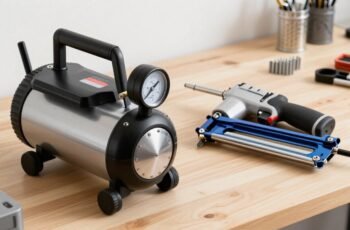
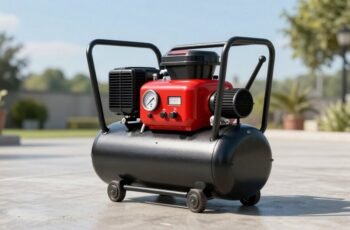
When selecting an oil-lubricated air compressor, understanding the critical features like lubrication systems, thermal management, and component quality is essential for ensuring long-term performance. We recognize that capacity, power requirements, and maintenance routines directly impact operational efficiency and lifespan. As we examine these factors, it becomes clear that choosing the right model involves more than just initial cost—considerations around noise, size, and brand reputation can profoundly influence your decision, prompting us to explore further.
Key Takeaways
- Determine required airflow (CFM) and pressure to match your tools or processes.
- Consider compressor size, portability, and noise levels based on workspace needs.
- Evaluate maintenance needs, focusing on oil change frequency and filter replacements.
- Select reputable brands with durable components, advanced cooling, and high-efficiency motors.
- Balance initial cost with long-term operational expenses for optimal value and reliability.
What Are the Key Features of Oil-Lubricated Air Compressors?
Oil-lubricated air compressors are distinguished by several key features that enhance their performance and longevity. Central to their design is the lubrication system, which reduces friction between moving parts, minimizing wear and extending operational life. The presence of a dedicated oil reservoir guarantees continuous lubrication, maintaining ideal component function under varying loads. Additionally, these compressors typically feature thermal management components, such as cooling fins and oil coolers, to prevent overheating during prolonged use. The oil filtration system is vital for removing contaminants, preserving compressor integrity and air quality. Moreover, the design often incorporates precision-machined components that promote efficient compression cycles. Overall, these features work synergistically to ensure reliable, durable operation, making oil-lubricated compressors suitable for demanding industrial applications where longevity and consistent performance are paramount.
How Do You Determine the Right Capacity and Power for Your Needs?
To select the appropriate capacity and power for your air compressor, you must first analyze your specific operational requirements, including the volume of compressed air needed and the overall demand pattern. Accurate assessment guarantees peak performance and efficiency. Consider the following factors:
- Air Volume Requirements: Calculate the total CFM (cubic feet per minute) your tools or processes demand, ensuring the compressor can sustain continuous operation without lag.
- Duty Cycle: Determine whether your usage is intermittent or continuous. Continuous operations require a compressor with a higher duty cycle rating to prevent overheating.
- Power Needs: Match the compressor’s horsepower (HP) to the required airflow, factoring in efficiency losses and future expansion potential.
This analysis directs you toward selecting a machine that balances capacity and energy consumption effectively.
What Maintenance Practices Ensure Longevity and Reliability?
Maintaining ideal oil quality and regular filter replacements are essential to prevent component wear and guarantee consistent performance. Adhering to a strict maintenance schedule and operating within recommended conditions minimizes the risk of breakdowns. By systematically managing these practices, we can greatly extend the compressor’s service life and reliability.
Regular Oil Changes
Regular oil changes are essential for ensuring the longevity and reliable operation of an air compressor. Proper oil maintenance minimizes wear, reduces friction, and prevents sludge buildup that can impair compressor function. To maximize performance, we recommend:
- Monitoring oil levels regularly to maintain appropriate lubrication without overfilling.
- Changing the oil at manufacturer-specified intervals, typically after a set number of operational hours.
- Using the recommended oil type, ensuring compatibility with the compressor’s design and operating conditions.
Adhering to these practices helps sustain peak lubrication, prevents component wear, and reduces the risk of unexpected failures. Consistent oil change routines form the foundation of effective maintenance, ultimately extending the compressor’s service life and ensuring consistent, reliable operation.
Filter Maintenance Schedule
How often should we inspect and replace air filters to guarantee ideal compressor performance? Regular inspection is essential—typically every 1,000 to 2,000 operating hours or monthly, whichever occurs first. This schedule guarantees contaminants do not accumulate beyond filter capacity, which can impair airflow and increase pressure drop. Replacement intervals depend on operating conditions, such as air quality and moisture levels; in dusty environments, filters may require replacement more frequently. Maintaining a detailed log of inspections and replacements allows us to identify patterns and optimize schedules. Proper filter maintenance minimizes compressor strain, reduces wear on internal components, and extends service life. Ensuring filters are clean and functional not only preserves efficiency but also prevents downstream issues that could lead to costly repairs.
Proper Operating Conditions
Ensuring proper operating conditions is critical for maximizing the longevity and reliability of an oil-lubricated air compressor. Consistent maintenance practices directly influence performance and reduce downtime. Key practices include:
- Regular oil analysis and top-offs to prevent contaminants and ensure optimal lubrication properties.
- Monitoring temperature and pressure levels to stay within manufacturer specifications, avoiding undue stress on components.
- Scheduled inspections of filters, separaters, and cooling systems to identify wear or blockages that could impair heat dissipation and oil quality.
Adhering to these practices minimizes wear, prevents overheating, and maintains efficient operation. Precise control of operating conditions, combined with routine maintenance, enhances compressor lifespan and operational reliability, ultimately reducing long-term costs.
How Do Noise Levels and Size Affect Your Choice?
Noise levels directly influence the working environment, especially in noise-sensitive settings, while the size of the compressor affects installation space and operational logistics. Portability considerations become critical when selecting models for mobile or temporary use. Understanding these factors enables precise alignment of the compressor’s specifications with your operational requirements.
Noise Level Impact
While larger air compressors often produce more noise due to their increased motor and pump components, their size also influences the overall environment where they can be installed. Higher noise levels impact workspace comfort, safety, and compliance with regulations. When selecting an compressor, consider:
- Decibel ratings: Lower dB levels reduce noise pollution, enhancing safety and operator comfort.
- Acoustic enclosure options: Enclosures can mitigate noise without sacrificing performance, suitable for noise-sensitive environments.
- Operational context: Larger units may be necessary for high-demand applications but require sound mitigation strategies in shared or enclosed spaces.
Understanding these factors allows us to balance noise output with operational needs, ensuring efficiency without sacrificing workplace safety or comfort.
Space Requirements
Have you considered how the size and noise output of an oil-lubricated air compressor influence your available space and installation options? Larger units typically require more floor area and may necessitate reinforced support structures, especially in confined environments. Noise levels, though often overlooked, directly impact placement decisions; quieter models allow installation in shared or office spaces, while louder units may need soundproofing or isolated locations. When evaluating space, it’s essential to account for clearance for maintenance and airflow, which vary with compressor dimensions. Compact designs reduce spatial footprint but might compromise capacity or durability. Conversely, larger, industrial-grade compressors demand significant space but offer enhanced performance. Balancing size and noise output is vital for optimizing operational efficiency and meeting spatial constraints.
Portability Concerns
Size and noise levels considerably influence how portable an oil-lubricated air compressor can be, impacting its suitability for various work environments. Larger units with substantial weight pose transportation challenges, limiting mobility. Conversely, smaller models enhance portability but may compromise airflow capacity. Noise levels also play a vital role; quieter compressors are better suited for confined or noise-sensitive areas. When evaluating portability, consider:
- Weight and Dimensions: Heavier, bulkier units are less mobile but may offer higher performance.
- Transport Features: Wheels, handles, or compact design facilitate easier movement.
- Noise Output: Lower decibel ratings enable use in noise-restricted environments without disruption.
Balancing these factors ensures the compressor aligns with your mobility needs while maintaining operational efficiency.
Which Brands and Models Offer the Best Value?
Choosing the right oil-lubricated air compressor requires evaluating brands and models that deliver peak performance at a reasonable cost. Leading brands like Ingersoll Rand, Quincy, and Atlas Copco consistently provide reliable, durable units with efficient lubrication systems. These manufacturers prioritize build quality, offering models with advanced cooling mechanisms and high-efficiency motors that optimize energy consumption. When appraising models, consider factors such as duty cycle, tank capacity, and maintenance costs, which influence long-term value. Quincy compressors often feature superior build materials, translating into longevity, while Atlas Copco emphasizes innovative technology for lower operational expenses. Ingersoll Rand strikes a balance between affordability and performance, making it a popular choice for varied applications. Overall, selecting a model from reputable brands with proven track records ensures maximum value through durability and operational efficiency.
What Should You Consider When Budgeting for an Oil-Lubricated Air Compressor?
When budgeting for an oil-lubricated air compressor, it’s essential to account for both upfront costs and ongoing expenses to guarantee long-term value. First, consider the initial purchase price, which varies based on capacity, brand, and features. Second, evaluate operational costs, including energy consumption, maintenance, and oil replacement, which impact long-term affordability. Third, factor in potential downtime and repair expenses, especially for models with advanced components. Prioritizing equipment with efficient oil systems and durable construction can reduce ongoing costs. A thorough budget should balance initial investment with expected maintenance and energy expenses, ensuring the compressor remains reliable and cost-effective over its lifespan. This approach allows for better financial planning and ideal equipment selection.
Frequently Asked Questions
How Often Should Oil Be Changed in an Oil-Lubricated Compressor?
We recommend changing the oil every 1,000 to 2,000 hours of operation or at least annually, whichever comes first. Regular oil changes maintain ideal compressor performance by reducing wear, preventing corrosion, and ensuring efficient lubrication.
Can Oil-Lubricated Compressors Run on Alternative Power Sources?
Absolutely, oil-lubricated compressors can run on alternative power sources like generators or solar panels; we just need to guarantee the power supply’s stability and sufficient capacity to maintain ideal compressor performance and longevity.
What Are Common Signs of Impending Compressor Failure?
We observe signs like excessive noise, overheating, fluctuating pressure, and oil leaks, which indicate impending compressor failure. Regular monitoring of these indicators helps us proactively maintain the system, minimizing downtime and costly repairs.
How Does Ambient Temperature Affect Compressor Performance?
Ambient temperature markedly impacts compressor performance; studies show efficiency drops by up to 15% at high temperatures. We monitor temperature closely, as excessive heat causes lubrication issues, increased wear, and reduced lifespan, emphasizing the need for proper climate control and cooling systems.
Are There Eco-Friendly or Biodegradable Oils Available for Compressors?
Yes, eco-friendly and biodegradable oils are available for compressors. We analyze their formulations and performance to guarantee they meet lubrication standards while reducing environmental impact, making them a sustainable choice without compromising compressor efficiency.
Conclusion
In steering the landscape of oil-lubricated air compressors, precision and foresight are our guiding stars. By weighing features, capacity, maintenance, and brand integrity, we craft a symphony of efficiency and durability. A well-chosen compressor becomes the steady heartbeat of our operations, blending power with reliability. With calculated investments and meticulous care, we guarantee our tools perform at peak, transforming potential into performance—where every breath of compressed air fuels progress.