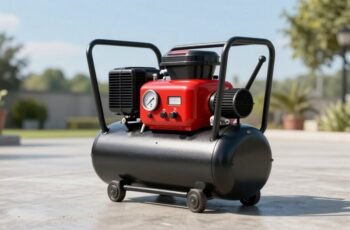
When selecting a high-pressure air compressor, we recognize the importance of balancing technical specifications with practical application needs. Factors like pressure capacity, flow rate, and safety features directly influence performance and reliability. To make an informed choice, we must analyze compressor types, tank sizes, and portability considerations, all while considering long-term maintenance and compatibility. Exploring these elements thoroughly guarantees we can identify the ideal solution—yet, grasping how each factor interacts can be more complex than it appears.
Key Takeaways
- Determine the required pressure capacity and flow rate based on your tools or application needs.
- Choose the appropriate tank size to balance pressure stability and portability.
- Consider compressor type (reciprocating, rotary screw, centrifugal) for efficiency and maintenance.
- Prioritize safety features like relief valves and automatic shut-offs for reliable operation.
- Assess portability features such as weight, handle design, and power source compatibility.
What Are the Key Features of High-Pressure Air Compressors?
Understanding the key features of high-pressure air compressors is essential for selecting the right equipment for demanding applications. These compressors are distinguished by their ability to generate pressures typically exceeding 300 psi, requiring robust construction and precise engineering. Critical features include the rated pressure capacity, which determines operational limits, and the compressor’s flow rate, impacting throughput efficiency. Durability is guaranteed through high-quality materials and effective cooling systems, preventing overheating during continuous operation. Safety features such as pressure relief valves and automatic shut-offs are crucial for preventing overloads. Additionally, control systems—manual or automated—allow for precise pressure regulation and monitoring. Overall, these features guarantee reliable, efficient performance in industrial settings, making technical understanding of these parameters indispensable for informed equipment selection.
How to Choose the Right Pressure Rating and Tank Size?
Selecting the appropriate pressure rating and tank size is fundamental to optimizing high-pressure air compressor performance for specific applications. To determine the ideal pressure, consider the maximum operating pressure required by your tools or processes, guaranteeing the compressor exceeds this threshold for reliability. A higher pressure rating provides greater versatility but may increase size and cost. Tank size, on the other hand, influences the compressor’s duty cycle and air delivery consistency; larger tanks reduce cycling frequency and maintain stable pressure under load. For continuous or demanding tasks, a larger tank paired with a suitable pressure rating ensures sustained performance. Conversely, smaller tanks and moderate pressures suit portable or intermittent applications. Precise matching of these parameters minimizes energy waste and maximizes system efficiency.
What Factors Affect Portability and Ease of Use?
When evaluating high-pressure air compressors, numerous factors influence their portability and ease of use, directly impacting operational efficiency and convenience. Weight is a primary consideration; lighter units facilitate mobility but may compromise durability or capacity. Size and form factor also matter—compact designs are easier to transport and store, yet might limit features or tank capacity. Handle design and wheel configuration enhance maneuverability, reducing operator fatigue during movement. Control panel layout and accessibility influence setup time and operational simplicity, especially in confined spaces. Additionally, power source compatibility and startup procedures affect overall usability, particularly in remote or industrial settings. Weighing these factors allows for optimizing selection based on specific application needs, balancing portability with functional requirements for seamless operation.
Comparing Different Types of High-Pressure Compressors
High-pressure compressors come in various configurations, each designed to meet specific operational demands. Reciprocating compressors utilize pistons driven by a crankshaft, delivering high pressure in short bursts, making them suitable for precise applications but often limited by size and noise. Rotary screw compressors employ continuous rotary motion with intermeshing screws, offering reliable, high-volume output with lower maintenance, ideal for industrial settings. Centrifugal compressors use impeller-driven centrifugal force to generate pressure, providing high flow rates suitable for large-scale operations but requiring significant initial investment and space. Each type presents trade-offs in efficiency, complexity, and cost, requiring careful evaluation based on the application’s pressure requirements, operational environment, and budget constraints. Understanding these distinctions enables more informed, application-specific compressor selection.
Tips for Maintaining Your High-Pressure Air Compressor
Proper maintenance is essential to guaranteeing your high-pressure air compressor operates efficiently and reliably over time. Regular inspections help identify potential issues before they escalate, reducing downtime and repair costs. Focus on key components such as filters, valves, and pressure gauges to sustain ideal performance.
- Clean or replace air intake filters to prevent dirt ingress and maintain airflow.
- Check and tighten fittings and connections to avoid leaks that reduce efficiency.
- Monitor oil levels and change lubricant periodically to minimize wear and overheating.
Implementing a scheduled maintenance routine based on manufacturer guidelines ensures the compressor remains in peak condition. Precise upkeep reduces energy consumption, extends equipment lifespan, and guarantees consistent operation under demanding conditions.
Frequently Asked Questions
What Safety Precautions Should I Follow When Operating a High-Pressure Air Compressor?
When operating a high-pressure air compressor, we guarantee proper safety gear, regularly inspect for leaks, follow manufacturer instructions, avoid over-pressurization, and keep clear of moving parts, always maintaining a safe distance and proper ventilation.
How Energy-Efficient Are Different High-Pressure Air Compressor Models?
We find that energy efficiency varies markedly among models; variable speed drives enhance efficiency by adjusting output to demand, while traditional fixed-speed compressors consume more power during idle periods. Careful analysis helps identify the most sustainable options.
What Are Common Troubleshooting Issues With High-Pressure Air Compressors?
We often encounter issues like overheating, pressure fluctuations, or compressor failure, which we diagnose by checking for leaks, inspecting filters, and monitoring pressure gauges, ensuring proper maintenance to optimize performance and prevent breakdowns.
Are There Environmental Considerations When Using High-Pressure Air Compressors?
Yes, environmental considerations include managing noise pollution, controlling oil and refrigerant leaks, and ensuring proper waste disposal. We analyze these factors to minimize ecological impact, comply with regulations, and promote sustainable operation of high-pressure air compressors.
How Do I Determine the Long-Term Cost of Owning a High-Pressure Air Compressor?
We evaluate long-term costs by considering initial purchase price, energy efficiency, maintenance expenses, and compressor lifespan, knowing that a penny saved is a penny earned, helping us make data-driven decisions for cost-effective, sustainable operation.
Conclusion
In the end, selecting the perfect high-pressure air compressor feels almost poetic—like balancing a delicate act between power and portability. We often think we’re in control until a burst of pressure reminds us of nature’s relentless force. By carefully analyzing features, maintenance, and application needs, we can tame this mechanical beast. Yet, in the dance of efficiency and safety, the compressor’s true mastery lies in how well we comprehend and respect its formidable capabilities.