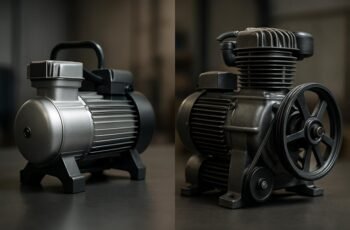
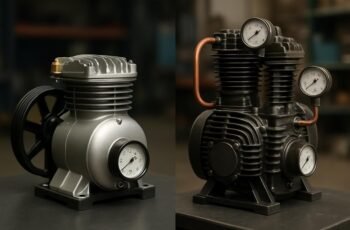
Did you know that fixed-speed compressors can achieve near-peak efficiency at full load but may lose a significant share of that efficiency under partial loads? We examine how selection shapes reliability, maintenance costs, and lifecycle economics, weighing how load profiles drive cycling losses versus inverter-driven smooth output. We’ll outline practical criteria and a decision framework to help you decide between fixed and variable speed for your application, with attention to steady versus dynamic demands and the total cost of ownership.
Key Takeaways
- Fixed-speed compressors offer simple, reliable efficiency at full load but suffer higher losses and cycling penalties at partial loads.
- Variable-speed compressors maintain closer to optimal efficiency across a range of loads by modulating speed and capacity.
- Efficiency benefits of variable-speed grow with load variability, reducing throttling losses and cycling compared to fixed-speed.
- Fixed-speed systems have lower upfront cost and simpler maintenance, while variable-speed incurs higher upfront and inverter maintenance costs.
- The choice hinges on load profile: steady demand favors fixed-speed; variable or precise airflow favors variable-speed efficiency.
What Fixed-Speed and Variable-Speed Compressors Are
Fixed-speed and variable-speed compressors are two core approaches to delivering air or refrigerant compression. We examine how each operates, what drives their selection, and how control strategies differ. In fixed-speed units, the motor runs at a constant rpm, delivering a discrete output that aligns with a binary on/off cycle. This yields straightforward reliability, simple diagnostics, and predictable response under steady loads. By contrast, variable-speed compressors modulate speed to match demand, employing inverter-driven drives or similar technologies to adjust capacity continuously. This dynamic enables smoother pressure control, potential energy savings, and reduced cycling. When comparing Fixed speed vs and Variable speed vs, we focus on load profiles, efficiency implications, and system integration, avoiding speculative extrapolations beyond core operational characteristics.
How Load Affects Efficiency in Each Compressor Type
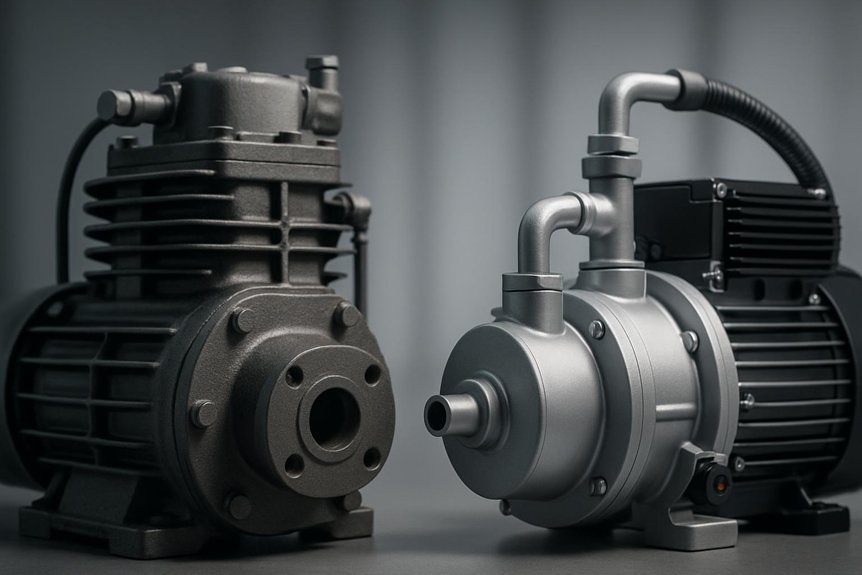
What happens to efficiency as load changes, and how does that impact fixed-speed versus variable-speed compressors? We examine how load sensitivity shapes performance: fixed-speed units operate near a single duty point, so efficiency drops with part-load due to throttling losses and compressor cycling. Variable-speed units adjust displacement and motor speed, improving energy scaling at partial loads and reducing cycling losses. The contrast hinges on how each design handles changing demand, with energy efficiency benefiting from continuous operation closer to the load curve.
- Load sensitivity drives duty-point positioning, influencing overall energy use.
- Energy scaling favors variable-speed systems at reduced loads, while fixed-speed relies on staging or throttling.
- System control strategies determine how quickly efficiency responds to load variations.
Reliability, Maintenance, and Lifecycle Costs Compared
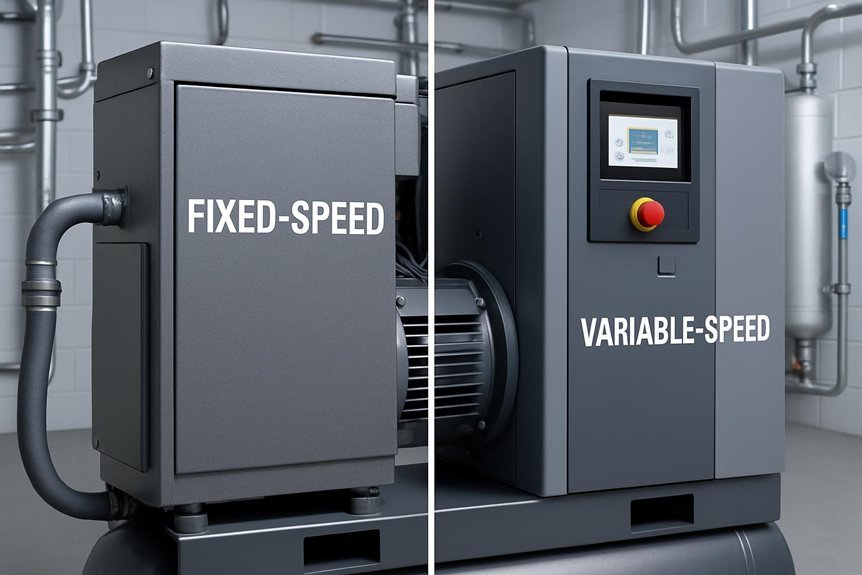
How do reliability, maintenance, and lifecycle costs compare between fixed-speed and variable-speed compressors in real-world operation? We answer with data-driven clarity, focusing on observed reliability tradeoffs and maintenance schedules. Fixed-speed units typically exhibit simpler failure modes and longer mean times between failures in steady duty, while variable-speed units expose wear on inverters and sensors that can shift risk to electronic components. Maintenance schedules for fixed-speed systems are straightforward, whereas variable-speed equipment benefits from proactive inverter checks and belt-drive alignments. Lifecycle costs hinge on energy savings versus higher upfront and maintenance expenses for VSDs. The table below previews relative risk and upkeep demands.
| Reliability risk | Maintenance effort |
|---|---|
| Fixed-speed | Moderate |
| Variable-speed | Higher |
When to Choose Fixed-Speed vs Variable-Speed for Your Application
Choosing the right compressor control strategy hinges on load profile and total cost of ownership: fixed-speed units excel in steady, predictable demand, while variable-speed units pay off when load varies appreciably or precision airflow is essential. We focus on when each approach best fits an application, emphasizing measurable criteria over generalities. We compare control responses, efficiency envelopes, and startup implications to illuminate decision boundaries between fixed speed and variable speed options.
Choosing the right compressor control hinges on load variability, precision needs, and lifecycle costs.
- Confirm load variability: high fluctuations favor variable-speed control to maintain setpoints with minimal overproduction.
- Assess precision needs: tight flow or pressure tolerances justify variable speed, reducing waste and overshoot.
- Evaluate lifecycle costs: steady demand often yields lower total cost with fixed speed, while intermittent demand shifts favorability to variable speed.
Practical Criteria and a Decision Framework for Selection
Determining the optimal compressor control strategy requires a concise, data-driven framework that couples load patterns with cost considerations. We present a practical criteria set and a decision framework that readers can apply directly. First, map load profiles to expected duty cycles and variability; this anchors the technical assessment in real operating conditions. Next, quantify energy use, maintenance implications, and equipment depreciation under both fixed-speed and variable-speed scenarios. Compare capital, installation, and lifecycle costs to identify positive and negative cost tradeoffs. Incorporate reliability, control complexity, and response requirements to avoid oversights. Use a staged decision process: screen feasibility, estimate total cost of ownership, then validate under representative cases. This framework yields transparent guidance, links performance to economics, and supports informed selection decisions.
Frequently Asked Questions
How Do Ambient Conditions Influence Fixed Vs Variable-Speed Efficiency?
Ambient conditions affect efficiency: we see higher ambient temperatures raise discharge pressure, reducing fixed-speed efficiency more than variable-speed, while cooler conditions improve both; overall, the ambient impact shifts the efficiency tradeoffs toward load responsiveness and control complexity.
What Impact Do Startup Transients Have on Throttling?
Startup transients modestly influence throttling impact, we observe brief efficiency dips and control loop lag, then recovery; we’ll quantify transient duration, peak throttle deviation, and system stabilization to optimize performance without stressing components.
Are Energy Rebates Available for Either Compressor Type?
We can say energy rebates exist for both compressor types, depending on program specifics; rebates often target improvements in compressor efficiency and overall system performance, not just the device. We’ll quantify eligible gains and program requirements together.
How Does Noise Level Differ Across Speeds and Loads?
We’ll note the noise comparison isn’t constant: it rises with higher speed and greater load variability, yet variable-speed units can achieve quieter during steady operation. We’ll quantify, analyze, and share precise measurements with you.
What Are Disposal and Recycling Considerations for Compressors?
We must consider disposal considerations and recycling considerations for compressors, noting hazardous refrigerants, oils, and metals require controlled recovery. We’ll follow regulations, segregate components, and partner with certified recyclers to minimize environmental impact and ensure safe handling.
Conclusion
We’ve mapped how fixed and variable-speed compressors behave under real-world load, and the choice hinges on duty cycle and stability. In steady, full or near-full loads, fixed-speed keeps costs low and reliability high; in dynamic, partial loads, variable-speed preserves efficiency and reduces cycling wear. Think of the decision as matching heart rate to workload: the right pump power—no more, no less. In the end, the best pick aligns with your load profile and total lifecycle costs.