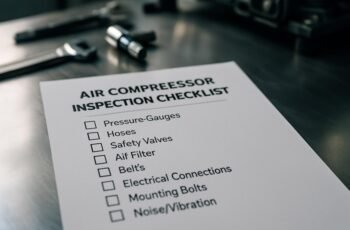
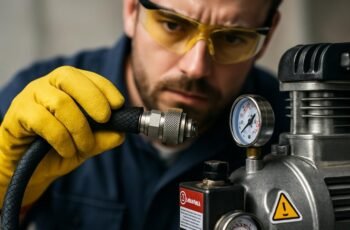
Recent data show that a significant portion of pressurized system incidents arise from improper valve selection and poor maintenance. We comprehend the risks and will walk you through clear criteria, proper installation, and routine testing to keep both personnel and equipment safe. We’ll outline how overpressure develops, how to choose and set the right valve, and how to document inspections with discipline and precision. There’s more to align—let us guide you through the essential steps we can’t skip.
Key Takeaways
- Safety valves automatically vent excess air to maintain safe operating pressure and protect people and equipment.
- Choose valves by system pressure, set pressure range, fittings, materials, and temperature tolerance.
- Install with proper orientation, compatible gaskets, and secure mounting; document torque and post-install checks.
- Regular testing and maintenance: depressurize, actuate, verify set pressure, and record results with timestamps.
- Troubleshoot release failures by checking for debris, spring condition, calibration, leaks, and interlocks.
What a Safety Valve Does in an Air Compressor
A safety valve in an air compressor protects people and equipment by automatically releasing pressure when it exceeds the unit’s rated limit. We explain that this mechanism maintains safe operating pressure, preventing sudden bursts and protecting connected tools. When pressure rises beyond set points, the valve opens briefly to vent excess air, then reseats as pressure drops to the reset range. This action is a fundamental safety feature, not an optional add-on, and it operates independent of user input. In our guidance, we avoid irrelevant topic and unrelated concept distractions, staying focused on function, calibration, and compliance. We emphasize regular inspection, proper venting, and adherence to manufacturer specifications. Our aim is clear: predictable performance, minimized risk, and ongoing regulatory alignment for safe, reliable use.
How Overpressure Happens and Why It’s Dangerous
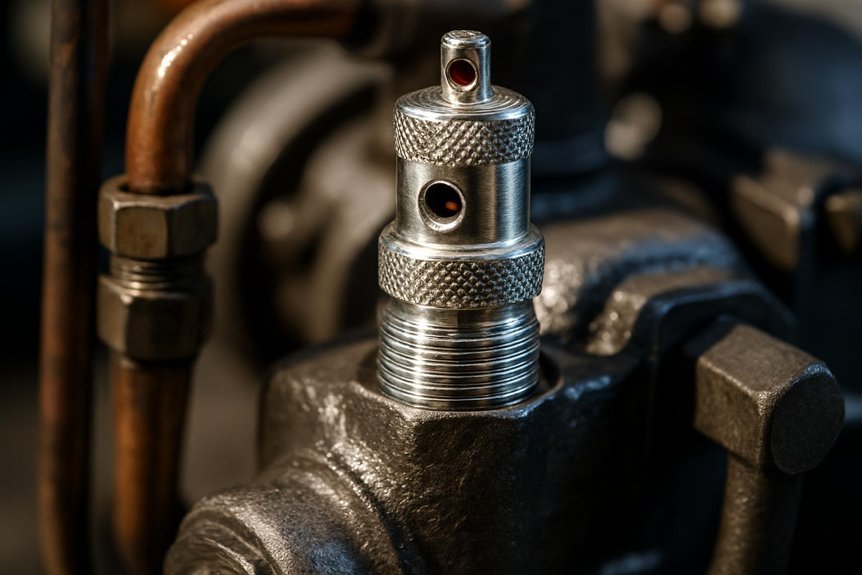
How does overpressure occur in an air compressor, and why is it dangerous? We describe overpressure dynamics as pressure climbs beyond design limits, or when venting is blocked, causing rapid, uncontrolled forces. We emphasize that even small deviations from normal operation can escalate if the system cannot relieve excess energy. Valve leakage or faulty seals compounds the risk, delaying relief and sustaining high pressures. Our focus remains on safety, compliance, and predictable responses to abnormal conditions, not on sensationalism. Proper understanding helps prevent equipment failure, injuries, and downtime. By recognizing contributing factors, we reinforce disciplined inspection, maintenance, and operational limits.
- Overpressure dynamics basics and early warning signs
- Blocked vent paths and relief failures
- Consequences of unchecked pressure build-up
- Valve leakage as a risk multiplier
- Preventive checks and documented procedures
How to Choose the Right Safety Valve for Your System
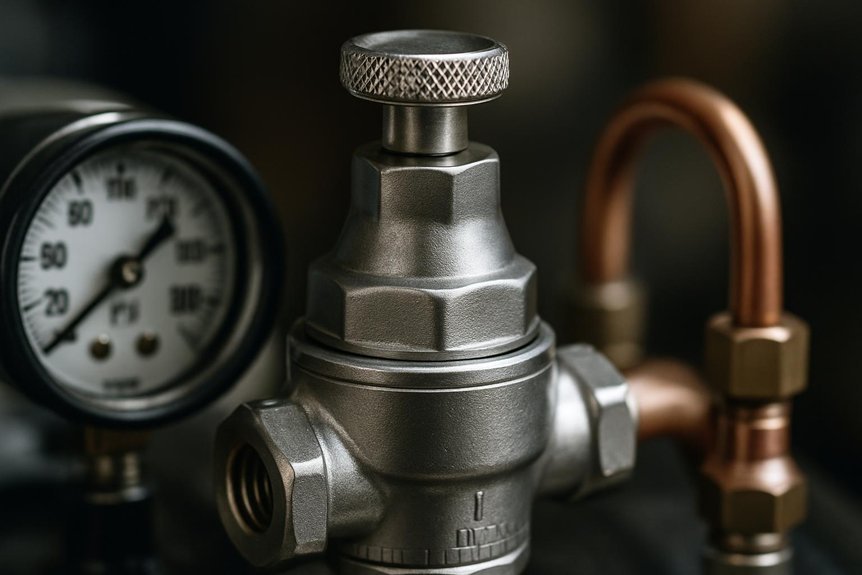
What factors should guide our selection of a safety valve for a given compressor system, and how do we ensure the choice aligns with applicable codes and manufacturer data? We approach selection with a clear focus on system pressure, operating range, and relief timing. We assess valve compatibility with the compressor’s fittings, materials, and connection type, ensuring corrosion resistance and temperature tolerance meet service conditions. We examine the maximum allowable working pressure and the set pressure band recommended by the manufacturer, staying within applicable codes and standards. We verify the valve’s certification, testing history, and maintenance requirements. We document proof of performance and ensure compatibility with any pressure-relief mandates. In short, we prioritize reliable protection, regulatory compliance, and predictable response within the system’s designed pressure envelope.
How to Install an Air Compressor Safety Valve Correctly
We begin by ensuring the safety valve is correctly installed following the manufacturer’s instructions and applicable codes. We’ll cover precise steps, clear mounting, and proper fitting to prevent leaks or false triggers. Installation must account for thread compatibility, vibration isolation, and accessible actuation. We avoid unrelated topic tangents and stay focused on safe, compliant practice. Use shutoff and drainage as required by local standards, verify orientation, and ensure piping minimizes stress. We’ll document torque values and corrosion resistance, then confirm clearances for inspection and maintenance.
- Verify correct valve type and compatible fittings
- Install in the discharge line with proper orientation
- Use appropriate gaskets, seals, and thread sealant per code
- Secure mounting to minimize vibration
- Check for leaks after installation and before operation
How to Test Safety Valve Operation and Set Pressure
Are you certain your safety valve will function when it matters most? We approach testing with disciplined procedures that confirm both operation and set pressure. Our method follows manufacturer instructions and applicable codes, emphasizing safety valves and calibrated tools. Before any test, we verify system pressure is depressurized and that the relief device is unobstructed. We then actuate the valve at a controlled rate, recording the precise set pressure and ensuring it opens within spec. If the valve fails to trip, we document the discrepancy, remove it from service, and pursue replacement or re-certification per regulatory guidance. After testing, we re-seat the valve and perform a leak check. These test procedures establish reliable protection and align with maintenance schedules and safety standards.
Common Failure Modes and Avoiding Them
Common failure modes for safety valves stem from tripping and related wear, so we outline how these events occur and how to prevent them. We’ll focus on the root causes of trips and the preventative maintenance practices that reduce risk. By staying disciplined with inspection, testing, and timely service, we minimize unexpected valve activation and guarantee reliable operation.
Common Causes Tripping
What are the most frequent failure modes that cause a safety valve on an air compressor to trip, and how can we prevent them? We review causes with rigorous intent, focusing on safe operation, regulatory compliance, and reliable performance. We avoid irrelevant topic derailments or unrelated concept tangents, keeping attention on valve response under load, temperature, and pressure surges. Tripping often stems from overshoot, improper settings, wear, or debris. By identifying these factors, we guide safe limits without compromising efficiency. We speak plainly, avoiding fluff, but we acknowledge necessary checks and documentation.
- Pressure setpoint drift or misadjustment
- Contaminants lodging in the valve seat
- Excessive system pressure rise
- Worn or damaged spring assemblies
- Inadequate venting or line blockages
Preventative Maintenance Practices
Preventative maintenance for safety valves begins with a disciplined inspection routine that targets the common failure modes we’ve identified. We regularly chart valve material compatibility with system pressures, temperatures, and lubricants to prevent premature wear. Our checks emphasize seating integrity, spring tension, and lever linkage for smooth actuation, ensuring trips occur only when safe and required. We establish leak detection protocols using calibrated detection methods and documented baseline measurements, promptly addressing any trace leaks to avoid unnoticed performance degradation. We emphasize conservative replacement when materials show fatigue or corrosion, aligning with applicable codes and manufacturer recommendations. Our preventive measures also include exercising valves at defined intervals to verify response and reset, plus clear, auditable records for regulatory review. This proactive stance protects personnel and equipment through disciplined maintenance practices and thoughtful design considerations.
Routine Maintenance and Inspection Schedule
We perform routine valve checks as part of our ongoing maintenance, and we’ll outline the required cadence and documentation. We’ll also cover scheduled system inspections to verify overall safety and readiness. This section introduces the standards we follow to assure consistent, regulatory-compliant upkeep.
Routine Valve Checks
Routine valve checks form the backbone of a safe and compliant air compressor system; how often we inspect, test, and document results directly affects reliability and regulatory adherence. We address valve function, leak presence, and seating integrity with disciplined, verifiable steps. Our approach emphasizes two word discussion ideas and safety checks to maintain clarity and consistency in every procedure. We prioritize non-destructive tests, recordkeeping, and immediate corrective actions when deviations appear.
- Inspect valve body for corrosion and leaks
- Verify spring tension and seat seating
- Test release pressure against spec
- Document results with timestamp and signature
- Schedule interim verifications after maintenance
We remain vigilant, conservative, and precise, aligning with applicable standards and factory directives to minimize risk and maximize uptime.
Scheduled System Inspections
Scheduled system inspections align with routine valve checks by establishing a documented cadence that keeps the entire air compressor system compliant and reliable. We approach inspections as a formal process: scheduled dates, defined tasks, and traceable results. Together, we verify valve integrity, leak detection, and safety interlocks while reviewing operating parameters and maintenance history. This disciplined cadence supports insulation efficiency and noise reduction goals by identifying degradation early and preventing unintended venting. Our plan includes documentation, compliance checks, and timely corrective actions to minimize downtime and risk.
| Task | Frequency |
|---|---|
| Valve inspection and system check | Quarterly |
| Documentation review and corrective actions | Semi-annually |
Troubleshooting Guide: When the Valve Won’t Release Pressure
When a safety valve on an air compressor won’t release pressure, start by verifying the tool isn’t obstructed, the tank isn’t overfilled, and the power supply and controls are functioning as intended. We recognize that failures can stem from multiple sources, and our approach remains methodical. Below we outline focused steps to isolate the issue without veering into irrelevant topic or unrelated discussion.
- Check for debris blocking the vent or seating surfaces
- Inspect the valve spring for fatigue or damage
- Test the pressure switch and regulator settings for proper calibration
- Confirm line leaks or fittings aren’t dampened by moisture
- Review safety lockout interlocks and control circuitry for faults
Best Practices for Safe Setup and Documentation
Establishing safe setup and thorough documentation starts with clear, written procedures and accountable practices. We walk you through a disciplined process so setups are repeatable and compliant. We begin with manufacturer recommendations, relevant standards, and local regulations to shape our safety protocols. Our documentation captures part numbers, pressures, and test results, plus maintenance intervals and responsible personnel. We emphasize lockout-tagout, proper venting, and verification steps before operation. For discussion ideas, we invite team input on risk assessments and change control, ensuring records reflect approvals and revisions. We standardize prestart checklists, calibration logs, and incident reporting to support traceability. This approach reduces errors, facilitates audits, and reinforces accountability. By integrating procedural rigor with proactive communication, we strengthen overall system safety and reliability.
Frequently Asked Questions
How Often Should a Safety Valve Be Replaced Due to Wear?
We replace safety valves when wear exceeds the wear assessment routine thresholds, typically during scheduled maintenance or after a valve pops or leaks. Safety valve replacement timing depends on manufacturer specs and regulatory guidance; monitor, document, and act promptly.
Can a Safety Valve Leak Without Releasing Pressure?
Yes, a safety valve can leak without releasing pressure. We monitor for valve leakage and set pressure drift, ensuring seats and seals remain tight; any leakage prompts inspection and corrective action per regulatory guidelines.
What Is the Typical Test Gas or Method for Validation?
We perform valve testing using calibrated test gas or nitrogen for leakage and relief accuracy, then compare against reference standards; our gas comparison validates setpoints, leak rates, and safety margins, ensuring regulatory compliance and conservative, traceable results for you.
Are Safety Valves Legally Required in My Jurisdiction?
Yes, we comply with legal compliance and jurisdictional requirements in our area. We’re careful, methodical—yet let’s not pretend safety is optional; you and we must meet every regulation, or consequences follow, irony aside.
How Does Temperature Affect Valve Set Pressure Accuracy?
Temperature drift affects set pressure accuracy; we adjust with regular calibration frequency. We’ll monitor ambient and process temperatures, verify against standards, and document every check to guarantee regulatory compliance and reliable relief performance for you.
Conclusion
We insist that every valve counts toward safety, and your system counts on you to respect it. When a safety valve works, it saves lives, saves equipment, and saves the entire plant from catastrophe—no exaggeration, just fact. Follow the set pressures, document every test, and replace fatigued parts promptly. If you ignore it, you’re inviting failure in plain sight. Let’s commit to rigorous testing, meticulous maintenance, and undeniable compliance—every valve, every time, without compromise.