We question whether all garages are prepared for air-driven tasks, and we’ll examine what makes a compressor safe for ongoing use. We’ll identify the right unit for continuous versus intermittent work, verify installation on a dedicated circuit, and confirm proper mounting, vibration isolation, and grounding. We’ll cover pre-use checks, PPE, and hazard controls, plus maintenance, troubleshooting, and storage. If anything seems uncertain, you’ll want to follow the essential steps we outline next to reduce risk and ensure reliable performance.
Key Takeaways
- Identify the right compressor for your garage: match workload, CFM/PSI, tank size, duty cycle, and accessories to avoid overuse or inadequate power.
- Install safely: follow manufacturer and local codes, use a dedicated circuit, proper mounting, grounding, leak-free plumbing, and pressure relief verification.
- Operate with PPE and safe practices: wear eye/hearing protection, secure hoses, vent exhausts outdoors, and relieve pressure before adjustments.
- Maintain and inspect regularly: follow a maintenance checklist, test safety valves, check gauges and belts, document corrective actions, and track compliance.
- Store and transport properly: keep the unit cool and disconnected, secure during movement, avoid drops, and perform periodic leak and filter/oil maintenance.
Identify the Right Compressor for Your Projects
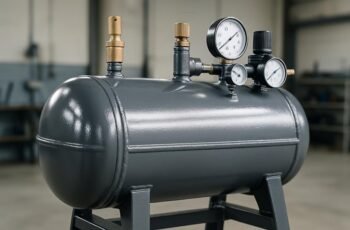
Choosing the right compressor starts with matching the job to the tool. We’ll guide you through identifying compressors by application, pressure, and duty cycle, then translate those needs into a practical selection. Our approach emphasizes regulatory compliance, operating limits, and predictable performance. First, define the workload: continuous or intermittent use, tool types, and required CFM at a given PSI. Next, assess air demand to determine choosing capacity that meets peak and idle loads without excessive cycling. Consider tank size, compressor type (piston, rotary), and duty cycle ratings to avoid overworking components. We recommend documenting accessorial needs, such as moisture traps and filtration, within specifications. By focusing on identifying compressors that align with your project profile, you’ll optimize safety, efficiency, and long-term reliability.
Safe Setup and Installation Essentials
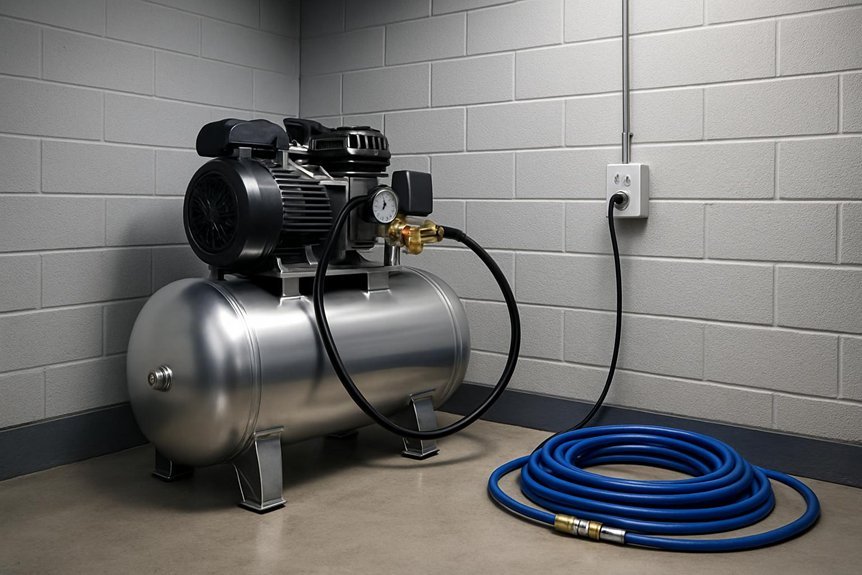
Are you set up for safe operation from day one? We’ll start with a solid foundation for your compressor—proper mounting, grounded electrical supply, and correct routing. Installation should meet manufacturer guidelines and local codes, with a dedicated circuit and appropriate disconnects. We verify vibration isolation, secure fittings, and accessible shutoffs, ensuring leak-free operation and predictable performance. Clear labeling and test runs confirm system integrity before use. We avoid extending power cords or using improvised adapters, aligning with regulatory expectations and safety best practices.
Are you set up for safe operation from day one with solid mounting, grounded power, and compliant, leak-free setup.
- Mounting and isolation that minimizes vibration and movement
- Correct wiring, grounding, and dedicated circuit compliance
- Leak-free plumbing, proper fittings, and pressure relief verification
- Clear labeling, accessible shutoffs, and pre-use system testing
Safe Operation: Handling, PPE, and Best Practices
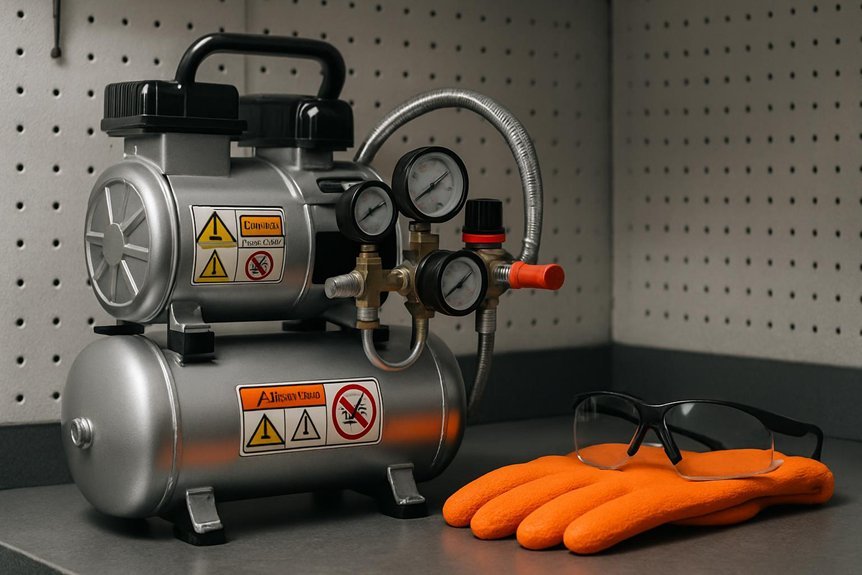
Do we really have the gears and safeguards in place to operate a garage air compressor safely? We, as operators, follow strict procedures for safe handling, employ protective equipment, and apply best practices every shift. Before use, perform a quick risk assessment, verify guards, and ensure exhausts vent outdoors. Wear eye and hearing protection, gloves, and steel‑toe footwear as required. Keep hoses off hot surfaces, secure connections, and shut down to relieve pressure before adjustments. Use labeled storage for accessories and disconnect tools when not in use. Adhere to manufacturer instructions and relevant codes. Table below summarizes core steps.
| Step | Action | Purpose |
|---|---|---|
| 1 | Inspect | Identify hazards |
| 2 | Equip | Minimize exposure |
| 3 | Test | Confirm readiness |
Maintenance, Inspection, and Troubleshooting
Maintenance, inspection, and troubleshooting are essential to keep a garage air compressor safe and reliable. We follow a disciplined process to minimize risk and downtime, aligning with regulatory expectations and manufacturer guidance. Our approach emphasizes a clear maintenance checklist and a defined inspection cadence to detect wear, leaks, or degraded performance before failures occur. We test safety valves, verify pressure gauges, and check belts or hoses for cracks. When issues arise, we isolate, diagnose, and document corrective actions to maintain traceability. Regular calibration and recordkeeping ensure compliance and operator confidence. Our aim is proactive reliability, not reactive repairs, so you stay productive with predictable results.
- Consistently perform a maintenance checklist before each use
- Adhere to a strict inspection cadence and document findings
- Immediately address abnormal readings or leaks
- Maintain clear records for regulatory audits and audits
Storage, Transportation, and Long-Term Care
Storage, Transportation, and Long-Term Care require disciplined handling to preserve safety and performance. We guide you through proper practices so our equipment remains compliant and reliable. When storing, ensure the unit is cool, disconnected from power, and relief valves are closed as specified by the manufacturer. Use a dry, level area away from moisture and contaminants, with proper venting for heat dissipation. For transport handling, secure the compressor to prevent movement, protect hoses, and avoid drops or impacts that could loosen fittings or damage gauges. Regular long-term care includes periodic leak checks, oil or filter replacement per schedule, and documentation of maintenance. Adhere to storage safety timelines and transport handling protocols to minimize corrosion, contamination, and degradation of performance.
Frequently Asked Questions
How Often Should I Replace Compressor Oil and Filters?
We should replace compressor oil every 200–500 hours or per manufacturer guidance, and perform filter maintenance at regular intervals, typically monthly or per usage, aligning with replacement intervals and ensuring regulatory compliance and optimal performance.
What Sounds Indicate Imminent Compressor Failure?
Answer: Strange noises and oil smell signal imminent failure. We monitor vibration, pressure drops, overheating, and cycling irregularities; shut down if detected, then inspect bearings, seals, valves, and compressor oil level. We recommend professional assessment immediately.
Can I Run a Compressor in a Detached Garage With Policies?
We can run a compressor in a detached garage only if our policy considerations permit, ensuring venting, fuel separation, and electrical compliance are met; we’ll review applicable codes and obtain approvals before startup.
Is It Safe to Mount a Compressor on a Wall?
Yes, we can safely mount a compressor on a wall, provided we address wall mount considerations and safety risks, we mitigate vibrations, secure studs, and follow regulatory clearances, ensuring accessible shutoffs, proper clearance, and compliant mounting techniques for reliability.
Do I Need a Credit Card for Warranty Service?
Yes, you typically need a card on file for warranty enrollment, and service eligibility often hinges on credit verification. We’ll verify identity and apply warranty terms; meanwhile, provide needed purchase details to avoid delays.
Conclusion
We’ve covered choosing the right compressor, safe setup, operation, maintenance, and storage to minimize risks. By following these standards, you reduce leaks, overpressurization, and electrical faults while preserving tool life. Consider a concrete example: a shop owner upgrades to a properly sized unit with a dedicated circuit, vibration isolation, and a daily 5-minute leak test, halving downtime from air-related failures within weeks. Stay disciplined on checks and documentation to sustain compliant, safe, efficient airflow.