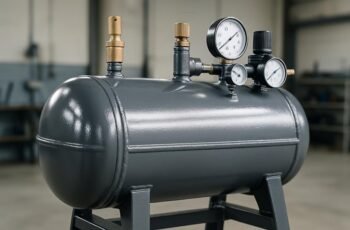
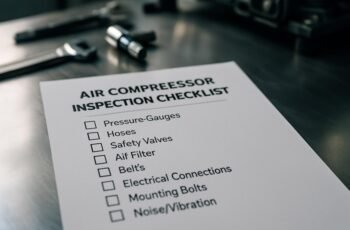
We watch the hum of the compressor like a tethered storm, steady yet ready to surge. We’ll discuss how a safety-first culture, rigorous pre-use checks, and robust protections keep outages and injuries at bay. From setup to shutoff, we’ll outline concrete steps, controllable risks, and practical checklists that prompt action now. Stay with us as we connect procedures, sensors, and training to real-world outcomes—because the next decision could prevent the next incident.
Key Takeaways
- Foster a Safety-First Culture with open reporting, clear procedures, restricted zones, and thorough risk assessments for energy sources and lockout points.
- Implement rigorous pre-use checks, valve belt readiness tests, and quick low-load startup runs to detect anomalies early.
- Use protective devices and interlocks, verify relief valves, and enforce stepwise procedures to prevent bypass and accidental releases.
- Maintain safe setup: proper mounting, ventilation, line labeling, leak checks, vibration isolation, and accessible maintenance clearances.
- Establish emergency procedures with rapid power isolation, depressurization, clear responsibilities, alarm verification, and orderly shutoff triggers.
Why Air Compressors Demand Safety-First Thinking
Air compressors operate under high pressure and fast-moving parts, making safety non-negotiable. We must recognize that the gear’s speed and stored energy create immediate injury potential, so our approach is systematic from the start. A true safety culture means everyone participates—operators, maintenance teams, and supervisors—sharing observable practices and reporting concerns without hesitation. We translate that culture into concrete processes: clear operating procedures, restricted access zones, and documented risk assessment that identifies energy sources, lockout points, and exposure timelines. We emphasize immediate containment of anomalies and rigorous training on start-up/shutdown sequences. By embedding safety culture and ongoing risk assessment into daily routines, we reduce human error, prevent incidents, and maintain reliable, efficient performance of the system for all workers.
Pre-Use Checks That Prevent Major Failures
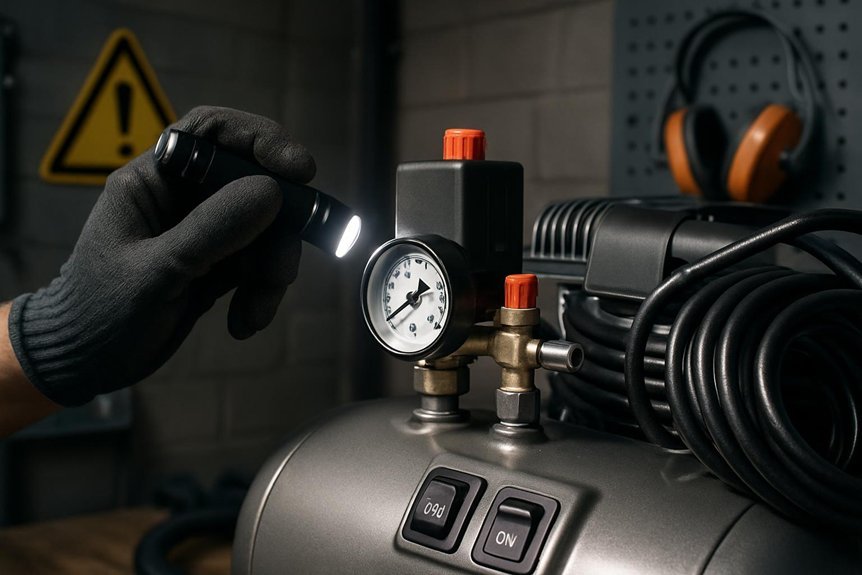
We start every session by inspecting the unit before start-up to catch visible issues and guarantee safe operation. We verify safety valves and pressure relief functions, and confirm proper responding to relief events. We also check belt fittings for wear, alignment, and tension to prevent drive failures that could cascade into a major incident.
Inspect Before Start
So, before starting our compressor, we perform a thorough pre-use inspection to prevent major failures. We verify mounting integrity, belt tension, and lubrication levels, ensuring components move smoothly without abnormal noise. We check inlet filters for obstructions and confirm pressure gauges read within rated ranges, documenting any deviations. We inspect hoses for cracks, leaks, or kinks, replacing damaged sections promptly. We perform a quick test run at low load to observe startup behavior, listening for unusual noises and watching for excessive vibration. We prioritize precision calibration of gauges and controls, aligning safety interlocks and cut-in/cut-out settings. We address air-end cleanliness and drainage, and confirm cooling paths remain unblocked. This disciplined routine supports noise reduction and reliable operation.
Check Safety Valves
We’ve already checked mounting, belts, lubrication, filters, hoses, gauges, and a low-load test, so we’re ready to verify safety valves before starting. We perform valve testing to confirm correct pop-off pressure and proper relief sequencing. We visually inspect valve bodies for corrosion, debris, and gasket integrity, then apply controlled pressure to ensure setpoints hold within spec. If pressures drift, we adjust per manufacturer guidance and re-test to verify accuracy. We listen for abrupt releases or delayed venting, which signal a stuck or leaking seat. Leak tracing helps pinpoint source—fittings, unions, or valve seats—so we can address issues before a fault escalates. Document results, seal caps, and resume with confidence, recognizing that reliable safety valves prevent overpressure incidents and protect personnel.
Verify Belt Tittings
How do belt fittings hold up under load, and why is a pre-use check essential? We verify belt fittings before operation to prevent catastrophic failures. We inspect belt wear, noting fraying, cracking, glazing, or missing ribs, and replace worn sections promptly. We assess pulley alignment, ensuring sheaves run true and parallel, with correct tension to avoid slip or belt skip. We look for loosened fasteners, damaged guards, and degraded anchors that could compromise drive integrity. We confirm belt tension according to manufacturer specs and check for abnormal noise or vibration during initial run. Early detection of misalignment or wear reduces heat buildup and extends bearing life. By conducting these checks, we maintain system efficiency, minimize downtime, and uphold safety standards.
Safe Setup: Piping, Mounting, and Ventilation Essentials
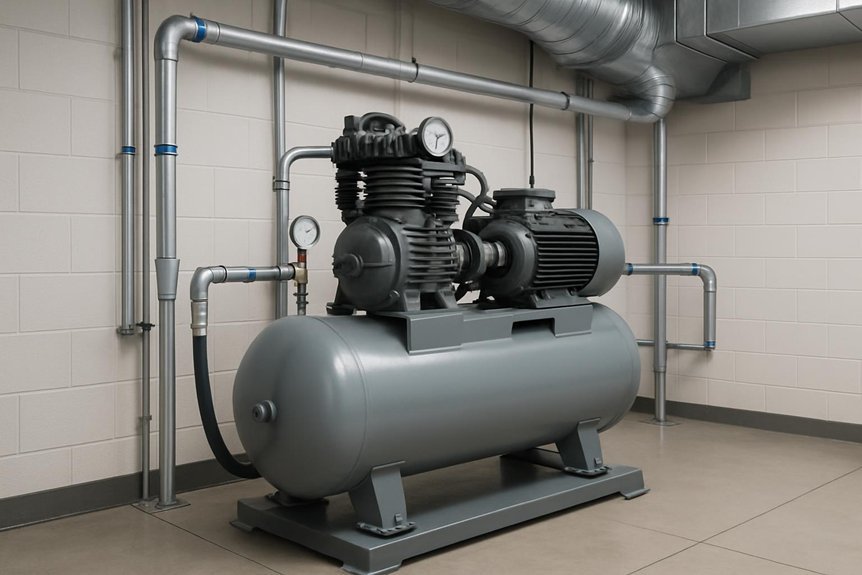
Are you ensuring every pipe, mount, and vent is arranged for safe, reliable operation? We approach piping, mounting, and ventilation with disciplined planning and precise execution. Our setup prioritizes clean routes, secure supports, and accessible vents to prevent vibration, heat buildup, and condensation pockets. We select materials compatible with compressor pressure and duty, and label each line for rapid diagnostics. Ventilation design decisions focus on adequate airflow, noise reduction, and dust exclusion, while maintaining serviceability. Mounting considerations emphasize rigid fixtures, vibration isolation, and level positioning to minimize movement during startup and cycling. We document clear clearances for maintenance and inspection, and verify leak checks after installation. This proactive configuration reduces failure risk, enhances performance, and sustains safe operation over time.
Protective Devices and Why They Matter
We rely on protective devices to prevent accidents and equipment damage, starting with critical protective devices that automatically interrupt or regulate operation. We’ll examine how system pressure safeguards keep compressors within safe limits and how proper usage protocols ensure these safeguards remain effective. By clarifying roles and procedures, we guide you toward consistent, proactive safety practices that reduce risk.
Critical Protective Devices
Protective devices are the line between a safe operation and a catastrophic failure. We design critical protective devices to interrupt energy, limit pressure, and isolate faults before harm occurs. In our approach, protective devices act as first responders, detecting anomalies and triggering immediate actions that preserve personnel and equipment. We prioritize reliability, clear trip thresholds, and rapid containment to minimize escalation. Our focus includes relief valves, pressure switches, blowdown devices, and automatic shutoffs that align with system safeguards and code requirements. We verify performance through regular testing, calibration, and documentation, ensuring visibility for operators. By integrating redundancy, predictable response, and straightforward diagnostics, we reduce human error and downtime. This disciplined protection supports continuous operation and safer maintenance of the entire compressed-air system.
System Pressure Safeguards
System pressure safeguards are the backbone of safe, reliable operation, and protective devices are our first line of defense. We rely on monitored system pressure to prevent overcharges, sudden releases, and component fatigue. Our approach centers on properly rated safety gears, pressure relief valves, and automatic shutoffs that respond to abnormal conditions faster than human reaction. Regular verification of setpoints, reliability testing, and maintenance of interlocks keep the protection circuit intact. We design with margin, ensuring that peak loads never exceed safe thresholds and that failures trigger safe depressurization pathways. By documenting trip histories and calibration data, we track drift and intervene early. These safeguards reduce risks, protect personnel, and extend equipment life, aligning operation with robust safety standards and proven industry practices.
Proper Usage Protocols
How do we ensure safety is built into daily operation when protective devices stand between optimal performance and preventable incidents? We approach proper usage protocols with discipline, clarity, and accountability. We verify that guards, relief valves, and interlocks are intact, calibrated, and accessible before startup. Operators follow stepwise procedures, minimize bypass attempts, and report anomalies immediately. Regular maintenance, documented inspections, and timely part replacements keep protective devices functional under load. We emphasize correct assembly practices, correct torque, and proper lubrication routines to avoid device misalignment or seizure. Donut lubrication concepts remind us that targeted lubrication reduces resistance in moving parts, while pickle tuning highlights fine-adjustment awareness for valve behavior. Adherence to these protocols reduces risk, enhances reliability, and sustains steady, safe production without sacrificing performance.
Safe Operation Practices to Avoid Common Accidents
Safe operation prevents most injuries and equipment damage, and it starts with clear, practical practices we can follow every shift. We aim for predictable results by controlling setup, usage, and awareness. Adhering to safe handling reduces hazard exposure, while enforcing noise reduction practices protects hearing and focus. We operate with standardized checks, immediate shutdown on anomalies, and clear tagging of faults. Consistent PPE and lockout procedures keep us safe during interactions with pressure systems.
Prioritize safe, predictable shifts through standardized checks, PPE, and rapid fault tagging for quiet, controlled operations.
1) Inspect, isolate, and test before each run, documenting conditions and deviations.
2) Use proper handling techniques for hoses and attachments, and minimize sudden starts.
3) Monitor noise levels, enforce hearing protection, and maintain a quiet work zone to sustain concentration.
Routine Maintenance That Extends Lifespan and Reduces Risk
Routine maintenance keeps the system reliable and reduces risk by stopping small issues before they become failures. We perform regular inspections, component testing, and scheduled part replacements to maintain performance margins. Routine calibration aligns sensors, gauges, and safety interlocks, ensuring readings match actual conditions and preventing misdiagnosis or overpressure events. We document cycle counts, pressures, and temperatures to detect trends that precede faults. Lubricant management is essential: we monitor viscosity, contamination, and oil levels, replacing or refining oil according to OEM guidelines to protect bearings and seals. Filtration and air intake cleanliness prevent contamination ingress that accelerates wear. We verify belt tension, electrical connections, and vibration signatures, addressing anomalies promptly. This disciplined approach reduces unexpected downtime and extends lifespan without compromising safety.
Emergency Procedures and Immediate Shutoff Protocols
In emergencies, we act fast to protect people and equipment, establishing clear triggers for immediate shutoff and orderly shutdown steps. Our procedures prioritize rapid isolation of power, depressurization, and securing moving parts to prevent escalation. We define responsibility, confirm alarm status, and communicate actions to all personnel to minimize confusion during crises. Immediate shutoff must be executed only after risk assessment and within established timeframes, then followed by safe cooldown and diagnostic checks. Documentation of actions supports accountability and improves future response. Training rehearsals reinforce muscle memory, ensuring consistency across teams.
In emergencies, we act swiftly to isolate power, depressurize, and secure moving parts, with clear triggers and accountable, practiced response.
- Identify trigger conditions and initiate immediate shutoff per protocol.
- Isolate power, depressurize system, and secure rotating components safely.
- Conduct post‑shutdown assessment, notify supervisors, and log corrective actions.
Real-World Scenarios and Practical Checklists You Can Use Today
How can we translate theory into action right now with real-world scenarios and practical checklists you can apply today? We’ll anchor guidance in concrete cases, then translate lessons into portable steps. Consider a scenario where a compressor trips on high head pressure; our response is to verify gauge readings, inspect safety valves, and document cause, time, and corrective action. In another case, a leak at a hose connection demands immediate shutoff, final leak repair, and a check for loose fittings before restart. Practical checklists include pre-shift inspections, vibration and noise checks, and line-drain procedures after休 downtime. We avoid unrelated topic diversions and off topic discussion; instead, we iterate concise actions, assign owners, and record outcomes to prevent recurrence and sustain safety performance.
Frequently Asked Questions
How to Identify Hidden Compressor Leaks Quickly?
We identify hidden leaks quickly by listening for hissing, applying soapy water, and using ultrasonic detectors; our quick inspection targets joints, gauges, and connections, verifying pressure drops and using leak-detection spray to confirm hidden leaks.
What Are Signs of Imminent Bearing Failure?
Imminent bearing failure signs include excessive vibration, unusual hot spots, rumbling noises, and increasing bearing wear signs. We monitor for elevated temperatures and oil degradation; these imminent failure indicators prompt immediate shutdown and thorough inspection to prevent damage.
Is There a Safe Noise Level Limit for Workspaces?
Yes, we follow OSHA and local standards; safe noise levels depend on duration, but we aim for 85 dBA over 8 hours. We’ll enforce noise safety through calibrated instrumentation and a consistent calibration cadence for hearing protection.
How Often Should You Inspect Hoses for Wear?
We inspect hoses every 6 months as our baseline cadence, and more often if abrasion or wear are evident. Like clockwork, our inspection cadence drives hose maintenance, ensuring safety and reducing leaks or bursts for all readers.
What Are First-Aid Steps for Compressed-Air Injuries?
First aid for compressed-air injuries: stop exposure, remove from source, assess for symptoms, seek medical help immediately; rinse affected skin if needed, monitor for air embolism signs. We’ll document hidden leaks for quick identification and prevention.
Conclusion
We’ve seen how safety-first thinking underpins reliable air compression, from pre-use checks to emergency shutoffs. By documenting conditions, isolating faults, and validating alarms, we reduce risk and extend equipment life. Let’s stay proactive: regular maintenance, rigorous inspections, and prompt corrective actions are nonnegotiable. Are we truly embedding these practices into daily operations, or leaving gaps that could escalate? Continuous improvement starts with disciplined adherence and clear, actionable procedures we all own.