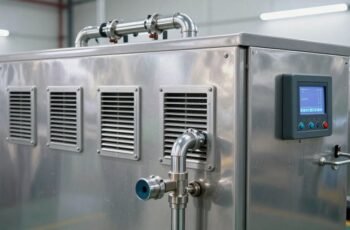
Studies show that improper use of air compressor accessories can reduce equipment lifespan by up to 30%. As professionals, we recognize that selecting the right components isn’t just about convenience; it directly impacts safety, performance, and cost-efficiency. But with so many options available, determining which accessories truly meet your needs requires careful analysis. So, what should you prioritize to guarantee your system runs reliably and efficiently?
Key Takeaways
- Essential accessories include filters, moisture traps, lubricators, pressure regulators, and quick-connect fittings for optimal performance.
- Use compatible hoses and fittings with appropriate pressure ratings to ensure safety and reduce leaks.
- Blow guns and nozzles are vital for cleaning, with options for high-flow, pinpoint, and gentle airflow tasks.
- Regularly apply lubricants and replace filters to extend equipment lifespan and prevent internal damage.
- Prioritize durable, easy-to-maintain accessories to maximize long-term value and operational efficiency.
What Are the Essential Air Compressor Accessories for Your Projects
To optimize the performance of your air compressor and guarantee efficient project execution, it’s essential to understand the key accessories that enhance its functionality. First, an air filter is critical; it prevents contaminants from entering the system, reducing wear and maintaining air quality. A moisture trap or separator is equally important, as it removes water vapor, preventing corrosion and damage to tools. Additionally, lubricators ensure consistent lubrication of pneumatic components, extending their lifespan and improving efficiency. Pressure regulators offer precise control, optimizing tool performance without risking damage from over-pressurization. Finally, quick-connect fittings facilitate rapid tool changes, saving time and reducing system downtime. These accessories serve as fundamental enhancements, assure your compressor operates reliably, efficiently, and safely across various applications.
How to Choose the Right Air Hose and Fittings for Safety and Efficiency
Selecting the appropriate air hose and fittings directly impacts both safety and operational efficiency. We must consider pressure ratings to prevent failures and guarantee compatibility with the compressor’s maximum PSI. Material choice is critical; rubber hoses offer durability and flexibility, while reinforced PVC hoses provide lightweight alternatives with good pressure tolerance. Fittings should match the hose’s diameter and pressure specifications, using corrosion-resistant materials like brass or stainless steel for longevity. Proper fittings minimize air leaks, which reduces energy waste and maintains consistent airflow. Additionally, flexible yet robust hoses reduce the risk of kinks and bursts under operational stress. Ultimately, precise matching of hose and fittings to the system’s demands optimizes safety protocols, minimizes downtime, and enhances overall productivity.
Which Blow Guns and Nozzles Improve Cleaning and Detailing Tasks
Choosing the right blow guns and nozzles is essential for maximizing cleaning and detailing tasks, as different designs deliver varying airflow rates and focused pressure. High-flow nozzles are ideal for removing debris from large surfaces quickly, while pinpoint nozzles concentrate airflow for precision cleaning in tight spaces. Variable control blow guns enable operators to adjust pressure precisely, reducing the risk of damage to delicate components. For detailed work, smaller, diffused nozzles provide a gentle but effective airflow, minimizing surface disturbance. Conversely, larger, focused nozzles generate increased force for stubborn debris removal. Analyzing airflow dynamics and nozzle design helps identify the most suitable combination for specific applications, ensuring efficient cleaning without compromising safety or equipment integrity. Proper selection enhances performance and prolongs equipment lifespan.
When to Use Air Tool Lubricants and Filters to Extend Equipment Life
Proper maintenance of air tools, including the strategic use of lubricants and filters, plays a vital role in extending equipment lifespan and maintaining peak performance. Lubricants should be applied regularly—typically before each use—to reduce friction, wear, and corrosion within moving parts. Filters are essential for removing particulates and moisture from compressed air, preventing internal damage and ensuring consistent operation. We recommend using lubricants when operating tools for extended periods or under heavy loads, especially in dusty or humid environments. Filters should be checked and replaced when airflow decreases or contaminants are visibly accumulated. By adhering to these practices, we minimize downtime, reduce repair costs, and optimize the efficiency of our compressed air systems, ultimately prolonging the service life of our tools.
Key Accessories for Maintaining Air Quality and Consistent Performance
To guarantee our compressed air system consistently delivers clean, dry, and contaminant-free air, key accessories such as air filters, regulators, moisture separators, and desiccant dryers are essential. These components work together to maintain ideal air quality and performance stability. Specifically:
Ensuring clean, dry compressed air with essential accessories for optimal system performance and reliability.
- Air filters remove particulate matter and oil aerosols, preventing system contamination.
- Regulators ensure consistent pressure output, reducing stress on downstream equipment.
- Moisture separators and desiccant dryers eliminate humidity, preventing corrosion and moisture-related failures.
Incorporating these accessories allows us to control the quality of compressed air precisely, minimizing downtime and maintenance costs. Proper selection and maintenance of these components are critical for achieving reliable, high-performance operation in any compressed air system.
Tips for Investing in Cost-Effective Accessories That Offer Real Value
Investing in cost-effective accessories requires a strategic approach that balances initial expenditure with long-term performance and maintenance savings. Prioritize accessories with high durability and compatibility to maximize ROI. Evaluate the material quality, ease of installation, and manufacturer support.
Consider the following factors:
| Feature | Impact on Value |
|---|---|
| Material Quality | Guarantees longevity and reduces replacement costs |
| Compatibility | Avoids additional adapter expenses |
| Energy Efficiency | Lowers operational costs over time |
| Ease of Maintenance | Minimizes downtime and labor costs |
| Warranty & Support | Provides long-term peace of mind |
Focusing on these criteria helps affirm investments deliver measurable performance improvements and cost savings over time.
Frequently Asked Questions
Can You Use Generic Accessories With Any Air Compressor Model?
Yes, generic accessories often fit multiple compressor models, but compatibility varies due to differences in fittings, pressure ratings, and sizes. We recommend verifying specifications and manufacturer recommendations to guarantee safe and efficient operation with your specific air compressor.
How Often Should I Replace or Upgrade My Air Compressor Accessories?
We recommend replacing or upgrading air compressor accessories every 1-2 years, depending on usage intensity and wear. Regular inspections and maintenance guarantee peak performance, reduce downtime, and prolong the lifespan of both accessories and the compressor itself.
Are There Safety Certifications to Look for in Air Compressor Accessories?
We recommend looking for accessories with UL or CSA certifications, as over 80% of workplace accidents involve non-certified equipment. These safety standards guarantee reliable performance, reducing risks and protecting users in high-pressure environments.
Do Accessories Vary for Different Types of Air Compressors (Piston, Rotary, Screw)?
Accessories do vary for different air compressor types; piston models often need specific filters and lubricants, rotary screw units require specialized cooling and lubrication components, while screw compressors benefit from advanced filtration and vibration dampening accessories for peak performance.
What Are the Signs That My Accessories Are Incompatible or Causing Issues?
Like a misfiring engine, incompatible accessories cause decreased performance, leaks, and unusual noises. We notice pressure drops, erratic operation, or damage signs, indicating that our accessories aren’t compatible or are causing issues.
Conclusion
Investing in the right accessories may seem costly upfront, but it guarantees long-term efficiency and durability. Proper filters, hoses, and lubricants prevent costly damage and downtime, ultimately saving money. While some might hesitate to upgrade, the performance gains and extended equipment lifespan outweigh initial expenses. By selecting essential, high-quality accessories, we optimize our compressor systems for safety, reliability, and consistent results—proving that smart investments in accessories truly deliver measurable operational value.