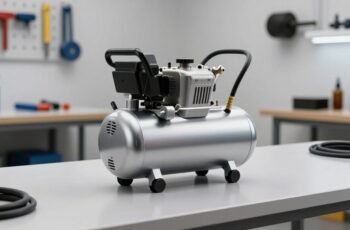
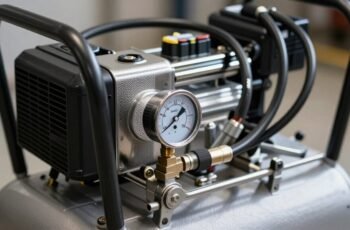
As we evaluate the cost-effectiveness of energy-efficient air compressors, it’s clear they offer potential savings and environmental benefits, but these advantages depend on various factors. While the initial investment is higher, operational efficiencies and long-term cost reductions could justify the expense. Understanding whether these compressors truly deliver value across different applications requires a closer look at performance, maintenance, and environmental impact—considerations that might influence your decision to adopt this technology.
Key Takeaways
- They significantly reduce energy costs, often delivering a 20-40% decrease in consumption and quick payback periods under two years.
- Advanced features like Variable Frequency Drives and high-efficiency motors enhance performance and long-term savings.
- Although initial costs are higher, operational and maintenance savings make them cost-effective over time.
- They help lower environmental impact by reducing greenhouse gas emissions and conserving resources.
- The higher upfront investment may pose challenges for smaller businesses but offers substantial overall financial benefits.
What Are Energy-Efficient Air Compressors and How Do They Work?
Have you ever wondered what distinguishes energy-efficient air compressors from traditional models? These compressors utilize advanced technologies like variable frequency drives (VFDs) and optimized motor designs to regulate power consumption precisely based on demand. Unlike conventional models that run at full capacity regardless of actual airflow needs, energy-efficient compressors adjust their output, reducing unnecessary energy use. They often incorporate improved compressor designs, such as scroll or rotary screw mechanisms, which minimize losses during compression. Additionally, enhanced control systems monitor system pressure and temperature, optimizing operation and reducing waste. This integration of smart controls and efficient components ensures that energy-efficient compressors deliver the required airflow with minimal power, making them more sustainable and cost-effective over time.
Do Energy-Efficient Compressors Save Money in the Long Run?
Energy-efficient compressors typically reduce operational costs through lower energy consumption and maintenance requirements. These savings often result in a shorter payback period, making them financially advantageous over time. Analyzing these factors helps determine whether the initial investment translates into long-term cost benefits.
Reduced Operating Costs
Do energy-efficient air compressors truly reduce long-term operating costs? Yes, they can considerably lower ongoing expenses through enhanced performance and reduced energy waste. Key factors include:
- Lower energy consumption reduces utility bills over the compressor’s lifespan.
- Reduced maintenance requirements extend equipment lifespan and decrease repair costs.
- Operational efficiency minimizes downtime and maximizes productivity.
- Advanced control systems optimize compressor load and unload cycles, decreasing unnecessary operation.
- Fewer component failures lead to less frequent replacements and repairs.
While initial investment may be higher, these efficiencies translate into substantial savings over time. Evaluating total cost of ownership, including energy, maintenance, and downtime costs, confirms that energy-efficient compressors often provide a favorable return on investment in the long run.
Lower Energy Consumption
Certainly, considering the significant impact of energy consumption on operational costs, it’s essential to assess whether these advanced compressors truly deliver long-term savings. Energy-efficient models employ variable speed drives and optimized motor designs, reducing power draw during operation. These technologies enable compressors to match output precisely to demand, minimizing idle running and energy waste. Studies indicate that energy-efficient compressors can decrease electricity usage by 20-30%, directly lowering energy bills. Additionally, their improved thermodynamic efficiency reduces heat losses, further conserving energy. However, initial investment costs are higher, and the actual savings depend on operational patterns and load variability. Consequently, while the energy consumption reduction is substantial, an all-encompassing analysis of usage profiles is necessary to determine true long-term financial benefits.
Shorter Payback Period
While the higher initial costs of energy-efficient air compressors may seem a barrier, their shorter payback periods often justify the investment through rapid cost recovery. These compressors typically offset their upfront expenses through substantial savings on energy bills within a few years. Factors influencing payback include reduced energy consumption, lower maintenance costs, and increased operational efficiency. The payback period can be further shortened with incentives or rebates, making the investment even more attractive.
- Lower ongoing operational costs
- Accelerated return on investment
- Reduced energy consumption translates to faster savings
- Decreased maintenance and downtime
- Financial incentives can further improve payback timelines
How Do Upfront Costs and Maintenance Impact Overall Value?
We recognize that initial investment costs for energy-efficient compressors can be considerably higher, impacting budget allocation. However, ongoing maintenance expenses also influence the total cost of ownership and long-term value. Analyzing these factors allows us to better assess the true cost-effectiveness of different compressor options.
Initial Investment Considerations
Initial investment costs for air compressors considerably influence their overall value, as higher upfront expenses often correlate with advanced features and greater energy efficiency. While these initial costs can be substantial, they typically include enhanced motor technology, improved control systems, and durable components that reduce long-term operational costs. When evaluating options, consider:
- The compressor’s energy efficiency rating and potential savings
- Initial purchase price versus expected lifespan
- Technological features that improve process control
- Compatibility with existing systems
- Potential tax incentives or rebates for energy-efficient equipment
A thorough cost-benefit analysis is essential; higher initial investments may offer better long-term returns through reduced energy consumption and operational downtime, ultimately impacting the overall value proposition.
Ongoing Maintenance Costs
Ongoing maintenance costs considerably influence the overall value of an air compressor by affecting long-term operational expenses and equipment reliability. Energy-efficient models often require specialized components and regular calibration to sustain optimal performance, which can lead to higher maintenance costs. While these compressors may reduce energy consumption, neglecting routine upkeep can diminish their efficiency gains and increase repair expenses over time. Predictive maintenance and quality parts are essential to avoid costly downtime and guarantee longevity. When evaluating overall value, it’s vital to consider not only initial investment but also the cumulative maintenance costs. Proper maintenance strategies can mitigate unexpected failures, but the inherent complexity of energy-efficient systems may demand more frequent or specialized servicing, impacting the cost-benefit balance over the equipment’s lifespan.
What Are the Environmental Benefits of Choosing Energy-Efficient Compressors?
Choosing energy-efficient air compressors offers significant environmental benefits by reducing overall energy consumption and associated greenhouse gas emissions. These compressors operate more efficiently, minimizing electricity use and decreasing carbon footprint. They often incorporate advanced technologies like variable speed drives and optimized motor systems, which enhance performance while conserving resources. The reduction in energy demand directly translates to lower emissions from power plants, especially in regions reliant on fossil fuels. Additionally, decreased energy consumption lessens the strain on electrical infrastructure, reducing transmission losses and ancillary environmental impacts.
- Lower greenhouse gas emissions
- Reduced reliance on fossil fuels
- Decreased electrical grid load
- Minimized heat waste and cooling needs
- Support for sustainable energy initiatives
Are There Any Limitations or Drawbacks to Energy-Efficient Air Compressors?
While energy-efficient air compressors offer notable environmental and operational advantages, they also present certain limitations that users should consider. One primary concern is the higher upfront cost associated with advanced technology and specialized components, which can deter smaller businesses. Additionally, these compressors often require more sophisticated control systems and maintenance protocols, increasing complexity and potential downtime if not properly managed. Their efficiency gains are typically most significant under variable load conditions; however, in applications with steady, high-demand operations, the benefits may be less pronounced. Furthermore, initial energy savings might be offset by the need for specialized training and more frequent calibration to maintain ideal performance. Overall, while beneficial, these factors necessitate careful evaluation before large-scale adoption.
How Can You Determine If an Energy-Efficient Compressor Fits Your Business Needs?
To assess if an energy-efficient compressor aligns with our business, we analyze potential energy savings and how they translate into operational cost reductions. We also consider whether the compressor’s capacity and features match the specific demands of our tasks. This approach guarantees that the equipment’s efficiency gains support our overall operational performance.
Energy Savings Potential
How can you accurately determine whether an energy-efficient compressor aligns with your business’s operational demands? To evaluate potential energy savings, we analyze compressor load profiles, duty cycles, and overall system efficiency. Key factors include the compressor’s ability to modulate output based on demand, reducing unnecessary power consumption. Additionally, examining the baseline energy consumption and projected savings provides insight into long-term benefits. Conducting energy audits and comparing historical data with modeled performance scenarios helps quantify potential reductions. Properly assessing these parameters ensures the compressor’s efficiency aligns with operational requirements, avoiding underperformance or overinvestment.
- Load profile analysis
- Duty cycle evaluation
- Baseline energy consumption
- Energy audit results
- Modeled performance scenarios
Operational Cost Impact
Evaluating the operational cost impact of an energy-efficient compressor requires a detailed analysis of both initial investment and ongoing expenses. While these units often have higher upfront costs, their reduced energy consumption can lead to significant savings over time. To accurately assess the impact, we analyze energy usage patterns, compressor load factors, and efficiency ratings. Maintenance costs are also critical, as energy-efficient models typically demand less frequent servicing and use advanced components that lower wear and tear. Additionally, factoring in potential downtime and productivity improvements provides a comprehensive view of operational costs. By quantifying these variables, we can determine whether the lower energy consumption offsets the higher initial expenditure, enabling informed decisions aligned with long-term financial and operational goals.
Suitability for Tasks
Evaluating whether an energy-efficient compressor aligns with your business needs involves a thorough analysis of your operational requirements and workload patterns. We must consider factors such as peak demand, duty cycle, and the variability of compressed air needs.
Key considerations include:
- Consistency and duration of compressed air demand
- Variability of workload throughout shifts
- Required pressure and flow rates
- Compatibility with existing equipment and processes
- Future scalability and potential workload growth
What Features Should You Look for When Buying an Energy-Efficient Air Compressor?
When selecting an energy-efficient air compressor, focusing on key features that optimize performance and reduce energy consumption is essential. Look for variable speed drives (VSDs), which adjust motor speed based on demand, profoundly lowering power use during partial loads. High-efficiency motors with premium insulation reduce electrical losses. An integrated advanced control system allows precise regulation of compressor output, minimizing unnecessary operation. Consider thermal management features, such as improved cooling systems, which enhance efficiency and prolong equipment lifespan. Oil-free designs can eliminate energy losses associated with lubrication and maintenance. Additionally, insulation quality and aerodynamics of the airflow pathways influence overall efficiency. Prioritizing these features ensures the compressor operates at peak efficiency, delivering energy savings and operational reliability over the long term.
How Do Energy-Efficient Compressors Compare to Conventional Models?
Energy-efficient compressors outperform conventional models primarily through enhanced design and advanced control features that reduce energy consumption markedly. These improvements include variable speed drives, optimized motor efficiencies, and smarter control algorithms that adapt to demand fluctuations. Compared to traditional models, energy-efficient units operate more precisely, minimizing unnecessary power usage during low-demand periods. They also incorporate better thermal management, reducing heat losses and improving overall operational efficiency.
- Variable speed drives adjust output based on real-time demand
- Improved motor and component efficiencies cut energy waste
- Smarter control systems optimize start-stop cycles
- Reduced heat dissipation lowers cooling requirements
- Enhanced durability minimizes maintenance and downtime
What Are Real Business Cases Showing Cost Savings and Efficiency Gains?
Numerous real-world business cases demonstrate that adopting energy-efficient air compressors leads to significant cost savings and operational improvements. Companies report reductions in energy consumption of 20-40%, directly decreasing utility expenses and lowering operational costs. For example, facilities implementing variable speed drive models experience improved control, minimizing waste during low-demand periods. Maintenance costs also decline, as advanced compressors operate more reliably with fewer parts subject to wear. Additionally, optimized compressor operation reduces downtime, enhancing productivity. These cases underscore that initial capital investments are offset by long-term savings, with payback periods often under two years. By analyzing energy consumption data pre- and post-installation, businesses quantify efficiency gains, confirming that energy-efficient compressors offer not only environmental benefits but tangible financial advantages.
Is Investing in an Energy-Efficient Air Compressor Worth It for Small and Large Operations?
Is investing in an energy-efficient air compressor a prudent decision for both small and large operations? The answer depends on factors like operational scale, energy costs, and maintenance expenses. For small businesses, the reduced energy consumption can considerably lower utility bills, improving cash flow. In large operations, energy savings compound over time, justifying higher upfront costs with long-term ROI. Additionally, energy-efficient models often feature advanced controls that optimize compressor performance, reducing wear and downtime.
- Lower operational energy costs
- Enhanced equipment reliability
- Decreased environmental impact
- Faster ROI on investment
- Compliance with sustainability standards
Ultimately, evaluating total lifecycle costs and operational demands helps determine if the investment aligns with specific business goals.
Frequently Asked Questions
How Long Is the Typical Lifespan of an Energy-Efficient Air Compressor?
Energy-efficient air compressors typically last between 10 to 15 years with proper maintenance, but their lifespan can extend up to 20 years, depending on usage intensity, maintenance quality, and operating environment, ensuring long-term operational reliability.
Are There Specific Industries That Benefit Most From Energy-Efficient Compressors?
We find industries like manufacturing, automotive, and food processing benefit most from energy-efficient compressors due to their high continuous usage, reducing operational costs and environmental impact while maintaining consistent performance.
How Quickly Can a Business Expect to See a Return on Investment?
We typically see ROI within 1-3 years, with energy savings averaging 20-30%. This rapid payback, driven by reduced energy consumption and maintenance costs, makes investing in energy-efficient compressors a financially sound decision for businesses.
Are Government Incentives Available for Purchasing Energy-Efficient Compressors?
Yes, government incentives often exist for purchasing energy-efficient compressors, including tax credits and rebates. We recommend researching federal, state, and local programs, as these can substantially offset initial costs and improve overall return on investment.
What Maintenance Practices Maximize the Efficiency of These Compressors?
We regularly monitor and replace filters, lubricate moving parts, and perform routine inspections to prevent energy loss. Ironically, neglecting simple maintenance often wastes more energy than upgrading to efficiency-focused compressors, highlighting the importance of consistent upkeep.
Conclusion
Ultimately, investing in energy-efficient air compressors is like tuning a finely calibrated engine—every component working in harmony to maximize performance while reducing waste. While the upfront costs may seem intimidating, the long-term savings, operational efficiency, and environmental benefits create a compelling case. As we analyze data and case studies, it’s clear that these systems streamline processes, optimize energy use, and deliver measurable value, making them a strategic choice for both small and large-scale operations.