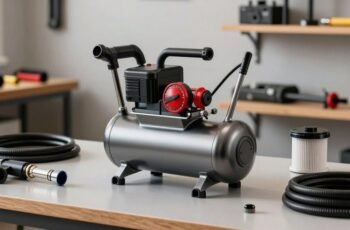
Choosing the right rotary screw air compressor can seem straightforward, yet it involves balancing technical specifications with operational realities. While initial costs are important, understanding factors like capacity, efficiency, and maintenance needs is essential for long-term performance. Without careful analysis, you risk investing in a system that falls short or incurs unnecessary expenses. To make an informed decision, we must consider these variables thoroughly, ensuring your investment aligns with future growth and operational efficiency.
Key Takeaways
- Match compressor capacity and power ratings to current and future air demand to prevent oversizing or undersizing.
- Prioritize energy-efficient features like variable speed drives to reduce long-term operating costs.
- Consider maintenance accessibility, durability, and warranty support for reliable, cost-effective operation.
- Assess installation space, noise levels, and compatibility with existing systems for seamless integration.
- Compare brands based on build quality, efficiency, support, and total cost of ownership for maximum value.
Understanding Rotary Screw Air Compressors: How They Work and Why They Matter
Although rotary screw air compressors may seem complex, understanding their fundamental operation is essential for evaluating their suitability for various applications. These compressors operate using two intermeshing helical screws, or rotors, that rotate within a sealed chamber. As the rotors turn, they trap air between the screw lobes and the chamber walls, compressing it as the volume decreases. This continuous, positive displacement process results in a steady, high-volume flow of compressed air. The design enables efficient operation at various pressure levels, with minimal pulsation or vibration. Their robustness and ability to deliver consistent airflow make them ideal for industrial, manufacturing, and automation processes, where reliability and energy efficiency are critical. Comprehending this fundamental mechanism helps in gauging their performance, maintenance needs, and overall value for different operational demands.
Key Factors to Consider Before Buying a Rotary Screw Compressor
When selecting a rotary screw compressor, it’s essential to evaluate several key factors that directly impact performance, efficiency, and long-term cost-effectiveness. First, consider the compressor’s power rating relative to your operational demands, guaranteeing it provides adequate capacity without unnecessary over-specification. Energy efficiency is critical; look for models with variable speed drives or advanced motor controls that reduce power consumption during variable load conditions. Maintenance requirements also influence total cost of ownership; compressors with accessible components and reliable long-term durability reduce downtime and repair costs. Additionally, consider noise levels and footprint, especially in confined or noise-sensitive environments. Finally, evaluate the compressor’s control system and compatibility with existing infrastructure for seamless integration. Prioritizing these factors ensures the best performance aligned with operational needs and budget constraints.
How to Determine the Right Capacity and Flow Rate for Your Needs
To determine the appropriate capacity and flow rate, we first need to accurately assess our operational demands, including peak and average air usage. We should then match these requirements to guarantee the compressor can handle current loads efficiently without overcapacity. Additionally, considering potential future expansion helps select a unit that remains effective as your needs evolve.
Assess Your Operational Demands
Evaluating your operational demands is essential to selecting the appropriate rotary screw air compressor capacity and flow rate. To do so, we must analyze the specific air consumption patterns of your equipment, considering both peak and average demands. This involves measuring the instantaneous flow rates during various operational cycles to identify the maximum airflow required without over-specifying capacity. We also need to account for duty cycle, as continuous or intermittent use impacts compressor sizing. Additionally, examining pressure requirements and potential future expansion plans ensures the system remains efficient and scalable. Precise demand analysis prevents undersizing, which hampers productivity, or oversizing, which increases operational costs. A detailed understanding of your operational profile creates a foundation for selecting a compressor that effectively balances capacity, efficiency, and longevity.
Match Air Flow Requirements
How can we accurately determine the appropriate capacity and flow rate for your rotary screw air compressor? The key is precise measurement of your operational air demand. First, identify the peak airflow your equipment requires, typically expressed in CFM (cubic feet per minute). To optimize efficiency, match the compressor’s rated flow capacity closely with this demand. Here’s a comparison to clarify:
| Equipment Type | Typical Flow Rate (CFM) |
|---|---|
| Automotive spray booths | 10-20 |
| Pneumatic tools | 5-15 |
| Manufacturing machinery | 20-50 |
Using this data, select a compressor with a slightly higher capacity than your peak requirement, ensuring consistent performance without over-pressurization.
Consider Future Expansion Needs
Anticipating future expansion is essential when determining the appropriate capacity and flow rate for your rotary screw air compressor. Accurate planning guarantees the system can accommodate increased demand without costly upgrades or downtime. To evaluate future needs, analyze your current usage and project growth over the next several years, considering new equipment, process modifications, or increased production volume. It’s advisable to select a compressor with a capacity 20-30% above your current requirements, providing headroom for growth. Additionally, assess the compressor’s flow rate at various operating pressures to ensure it can handle peak loads efficiently. Incorporating scalability into your selection minimizes operational disruptions and maximizes return on investment, aligning your compressed air system with your long-term operational strategy.
Evaluating Energy Efficiency and Operating Costs
To assess energy efficiency, we focus on key consumption metrics like power draw and specific energy use under typical operating conditions. Operating costs are influenced by factors such as maintenance, energy rates, and downtime, which require careful analysis. Implementing efficiency optimization strategies can markedly reduce long-term expenses and improve overall compressor performance.
Energy Consumption Metrics
Evaluating energy consumption metrics is essential for understanding a rotary screw air compressor’s efficiency and operating costs. These metrics provide insight into how effectively the compressor converts electrical energy into compressed air, directly impacting operational expenses. Key indicators include:
- Specific Power (kW/100 CFM) – measures energy used per unit of airflow, with lower values indicating higher efficiency.
- Power Factor – assesses electrical load utilization; a higher power factor reduces energy wastage.
- Energy Efficiency Ratio (EER) – compares output airflow to energy input, highlighting overall system performance.
Analyzing these metrics enables precise assessment of operational efficiency, informing maintenance schedules and selection decisions. Accurate measurement and monitoring are critical for optimizing energy use, minimizing costs, and ensuring sustainable compressor operation.
Operating Cost Factors
Understanding the factors that influence operating costs is critical for evaluating a rotary screw air compressor’s overall efficiency and economic viability. Operating costs are primarily driven by energy consumption, maintenance frequency, and downtime. Energy efficiency directly impacts ongoing expenses; compressors with better thermodynamic performance reduce electricity costs over their lifespan. Maintenance costs are influenced by component durability and service intervals, affecting labor and parts expenses. Additionally, operational reliability minimizes unscheduled downtime, which can be costly. External factors such as ambient conditions and system load also contribute to overall costs, requiring careful consideration. By analyzing these elements, we can better predict total ownership costs. Ultimately, an in-depth assessment of energy use and maintenance requirements ensures informed purchasing decisions, optimizing long-term operational savings.
Efficiency Optimization Strategies
How can we effectively enhance the energy efficiency of rotary screw air compressors to reduce operating costs? First, implementing variable speed drive (VSD) technology allows the compressor to match output with demand, minimizing energy waste. Second, regular maintenance—such as monitoring lubrication and cooling systems—ensures ideal operational conditions and prevents efficiency loss. Third, integrating advanced control systems enables real-time adjustments, maintaining optimal load and pressure settings. These strategies collectively reduce power consumption, improve system responsiveness, and extend equipment lifespan. By focusing on these technical measures, we can achieve significant cost savings and energy efficiency gains, aligning operational performance with sustainability goals. Precise evaluation and targeted interventions are essential to maximize the compressor’s efficiency potential.
Maintenance Requirements and Longevity Tips for Rotary Screw Compressors
Regular maintenance is crucial to guarantee the peak performance and prolonged lifespan of rotary screw compressors. Consistent inspection and replacement of critical components, such as air filters, oil filters, and separator elements, prevent contamination and reduce wear. Monitoring operating parameters, including temperature, pressure, and oil levels, enables early detection of potential issues, minimizing unplanned downtime. Lubrication schedules must be strictly adhered to, ensuring ideal viscosity and film strength to reduce metal-to-metal contact. Additionally, maintaining proper cooling and ventilation prevents overheating, which can accelerate component degradation. Implementing an extensive maintenance plan rooted in manufacturer specifications and industry best practices extends equipment life, enhances operational efficiency, and reduces lifecycle costs. Proper upkeep is an essential investment in the compressor’s durability and reliable performance.
Comparing Different Brands and Features: Which Options Offer the Best Value?
When evaluating rotary screw air compressors, comparing brands and their features is essential to identify the best value for your specific needs. We analyze key factors to make informed decisions:
- Efficiency and Energy Consumption: Brands with advanced variable speed drives or optimized airflow systems typically reduce operating costs over time.
- Build Quality and Durability: High-quality materials and robust construction often translate into lower maintenance and longer lifespan, maximizing value.
- Warranty and Support: Manufacturers offering thorough warranties and responsive service ensure reliability, minimizing downtime and unforeseen expenses.
Budgeting for Your Compressor Purchase: Cost, Financing, and Total Cost of Ownership
Budgeting for your rotary screw air compressor purchase requires an all-encompassing understanding of the initial costs, financing options, and the long-term financial implications. The upfront expense includes the compressor price, installation, and potential modifications to your facility. Financing options such as leasing or loans can spread costs but may affect overall affordability. It’s essential to consider the total cost of ownership (TCO), which encompasses maintenance, energy consumption, parts replacement, and potential downtime. Energy efficiency directly impacts operational expenses, often outweighing initial purchase costs over the compressor’s lifespan. A comprehensive financial analysis helps you evaluate whether a higher initial investment in a more efficient model yields long-term savings. Ultimately, a precise budget guarantees maximum performance without compromising fiscal stability.
Installation and Space Considerations for Your Rotary Screw System
Proper installation and spatial planning are essential to guarantee your rotary screw system operates efficiently and reliably. Adequate space enables proper airflow, access for maintenance, and reduces vibration transmission. When planning installation, consider the following:
- Ventilation and airflow: Assure sufficient clearance around the compressor for cooling and heat dissipation, typically 3-4 feet on all sides.
- Accessibility: Allocate space for routine inspections, filter changes, and repairs, minimizing downtime.
- Structural support: Confirm flooring can support the system’s weight and vibrational loads, preventing misalignment or damage.
Careful assessment of these factors optimizes performance, extends equipment lifespan, and enhances safety. Precise spatial planning minimizes operational disruptions and facilitates efficient maintenance cycles.
Common Mistakes to Avoid When Buying and Operating a Rotary Screw Air Compressor
Selecting the wrong rotary screw air compressor or neglecting proper operating procedures can lead to significant inefficiencies and costly downtime. One common mistake is choosing a unit that doesn’t match the actual load requirements, resulting in overcapacity or undercapacity, both of which diminish efficiency and increase operational costs. Additionally, failing to adhere to recommended maintenance schedules—such as monitoring oil levels and filter conditions—can cause premature component failure. Operating the compressor at non-ideal pressures or temperatures can also reduce lifespan and performance. Another error is neglecting proper system integration, which can lead to pressure drops or fluctuations. To optimize reliability and performance, it’s essential to select an appropriately rated compressor and implement strict operational and maintenance protocols.
Frequently Asked Questions
What Are the Signs Indicating My Compressor Needs Replacement or Upgrades?
We notice signs like decreased airflow, increased energy consumption, unusual noises, frequent breakdowns, or rising maintenance costs. These indicators suggest our compressor needs replacement or upgrades to guarantee peak performance and efficiency.
How Does Ambient Temperature Affect Compressor Performance and Lifespan?
Ambient temperature considerably impacts compressor performance and lifespan; higher temperatures increase cooling demands, strain components, and accelerate wear, while lower temperatures improve efficiency. We monitor temperature variations closely to optimize operation and extend equipment longevity.
Can Rotary Screw Compressors Operate Effectively in Dusty or Corrosive Environments?
Yes, rotary screw compressors can operate effectively in dusty or corrosive environments if equipped with appropriate filters, corrosion-resistant materials, and protective enclosures. Regular maintenance and filtration are essential for peak performance and longevity in such challenging conditions.
What Safety Precautions Should I Follow During Installation and Maintenance?
We prioritize safety during installation and maintenance by following manufacturer guidelines, wearing protective gear, ensuring power is off before servicing, and conducting regular inspections. Like a well-oiled machine, vigilance keeps our operations safe and efficient.
How Can I Optimize Compressor Settings for Different Operational Loads?
We optimize compressor settings by analyzing load requirements, adjusting pressure setpoints, and employing variable speed drives. Regular monitoring of performance data guarantees efficiency, minimizes energy consumption, and maintains system reliability across fluctuating operational loads.
Conclusion
In choosing the right rotary screw air compressor, we prioritize understanding, evaluating, and comparing to guarantee peak performance, energy efficiency, and long-term reliability. We analyze capacity, costs, and features with precision, avoiding pitfalls and making informed decisions. We consider installation, maintenance, and support to maximize value. By doing so, we secure a solution that meets current demands, scales for future growth, and minimizes operational risks—ensuring operational excellence and sustainable success.