Choosing the wrong oil-free air compressor can be a costly mistake that compromises your entire operation. With so many models and features available, making an informed decision requires careful analysis of technical specifications and application-specific needs. We’ll examine critical factors such as sizing, features, and maintenance to help you avoid pitfalls and guarantee peak performance. Understanding these details is essential—so, let’s explore what truly matters when selecting the right compressor for your environment.
Key Takeaways
- Understand how oil-free compressors operate and their benefits for producing contaminant-free, high-purity air.
- Prioritize filter management and regular maintenance to prevent contamination and maintain efficiency.
- Select the appropriate size, capacity, and essential features based on your specific airflow and pressure needs.
- Regularly inspect components and monitor performance to ensure longevity and optimal operation.
- Consider total ownership costs, build quality, and reliability to maximize value and avoid frequent replacements.
What Are Oil-Free Air Compressors and How Do They Work?
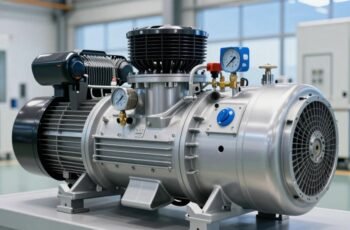
Although traditional oil-lubricated air compressors rely on oil to reduce friction and wear, oil-free air compressors operate without this lubrication method, instead utilizing specialized materials and design features to guarantee smooth operation. These compressors employ advanced piston or rotary elements made from composite, ceramic, or coated materials that minimize friction inherently. The sealing systems are designed to prevent air contamination without oil-based lubricants, ensuring clean output. Additionally, these units often incorporate non-lubricated bearings and precision-machined cylinders to sustain efficiency over prolonged use. The absence of oil not only reduces maintenance but also eliminates issues like oil vapor emissions. Overall, oil-free compressors maintain operational stability through engineered surfaces and materials that deliver consistent, contaminant-free compressed air.
Key Benefits of Choosing an Oil-Free Air Compressor
Choosing an oil-free air compressor offers substantial advantages in air quality, as it produces cleaner, contaminant-free output essential for sensitive applications. Additionally, these units require lower maintenance due to the absence of oil-related components, reducing operational downtime. The elimination of oil contamination further guarantees the integrity of the compressed air, making it suitable for industries with strict purity standards.
Cleaner Air Quality
Oil-free air compressors inherently produce cleaner compressed air by eliminating the oil contamination associated with traditional lubricated systems. This results in significant improvements in air purity, which is vital for applications demanding high-quality air standards, such as pharmaceuticals, electronics, and food processing. Without oil residues, the compressed air remains free of hydrocarbons and particulate contaminants, reducing the risk of product contamination and equipment fouling. The absence of oil aerosols also minimizes health hazards for operators and decreases the need for extensive filtration downstream. This cleaner air quality enhances operational reliability, extends equipment lifespan, and supports compliance with stringent industry regulations. Overall, oil-free compression provides a more consistent, contaminant-free air supply, ensuring peak performance across sensitive applications.
Lower Maintenance Needs
The absence of oil in the compression process directly reduces the complexity of maintenance routines for air compressors. Without oil, there’s no need for regular oil changes, filter replacements, or lubrication inspections, which markedly decreases downtime and operational costs. This simplification minimizes the potential for oil-related issues such as leaks, contamination, or breakdowns, ensuring more reliable performance. Additionally, fewer moving parts related to lubrication decrease wear and tear, extending equipment lifespan. Maintenance becomes more straightforward, often limited to routine checks of filters and pressure controls. This efficiency not only reduces labor time and expenses but also enhances operational safety by eliminating oil-related hazards. Overall, oil-free compressors deliver a streamlined, cost-effective maintenance profile ideal for continuous, high-demand applications.
Reduced Oil Contamination
How significant is the impact of oil contamination in compressed air systems? Oil carryover can introduce impurities into the end-use applications, compromising product quality and risking equipment damage. Oil aerosols can contaminate pharmaceutical, food, and electronics manufacturing, leading to costly recalls or rework. Additionally, oil residues can foul filters, valves, and sensors, increasing maintenance needs and downtime. Choosing an oil-free compressor eliminates this risk by preventing oil from entering the compressed air stream altogether. This guarantees cleaner, contamination-free air, which is critical for sensitive processes. Furthermore, reduced contamination minimizes the need for extensive filtration downstream, lowering operational costs and enhancing overall system reliability. Essentially, an oil-free compressor offers a significant advantage in maintaining the integrity and purity of compressed air.
How to Determine the Right Size and Capacity for Your Needs
Selecting the appropriate size and capacity for an air compressor is essential to guaranteeing ideal performance and efficiency. To determine the correct specifications, evaluate your operational airflow demand and pressure requirements.
| Application Type | Needed Flow Rate (CFM) | Operating Pressure (PSI) |
|---|---|---|
| Small-scale tasks | 2-5 CFM | 90-100 PSI |
| Industrial applications | 10-30 CFM | 100-125 PSI |
| Continuous operation | 30+ CFM | 125+ PSI |
| Precision tools | 1-3 CFM | 90-100 PSI |
Matching these parameters ensures peak capacity, avoiding underperformance or excess energy consumption. Proper sizing aligns compressor output with operational demands, maximizing efficiency.
Essential Features to Look for in an Oil-Free Air Compressor
When choosing an oil-free air compressor, it’s crucial to prioritize features that guarantee durability, efficiency, and maintenance ease. Look for a compressor with a robust thermal overload protection system to prevent overheating and extend component lifespan. A high-quality, corrosion-resistant pump ensures long-term reliability, especially in demanding environments. Precision pressure regulation with adjustable output controls maintains consistent airflow, reducing energy waste and protecting sensitive tools. An easy-to-read digital display enhances operational monitoring, allowing quick adjustments and fault detection. Additionally, integrated moisture traps and filtration systems improve air quality, minimizing downstream equipment wear. Ultimately, a well-designed, accessible maintenance panel simplifies service tasks, reducing downtime and operational costs. These features collectively optimize performance and longevity, making your investment more cost-effective.
Comparing Different Types of Oil-Free Compressors: Portable vs. Stationary
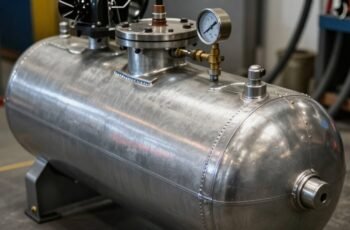
Choosing the right type of oil-free compressor depends heavily on the specific application and operational environment. Portable compressors are designed for mobility, featuring lightweight construction, integrated handles, and wheels, making them ideal for job sites, maintenance tasks, and intermittent use. They typically have lower power outputs but provide sufficient airflow for light to medium tasks. Stationary compressors, on the other hand, are built for continuous operation in fixed locations, offering higher capacity, stability, and durability. They often include larger tanks, advanced cooling systems, and higher-pressure outputs suitable for industrial or long-term applications. While portable units prioritize convenience and flexibility, stationary models excel in high-demand, high-precision environments. Selecting between them requires evaluating operational demands, space constraints, and airflow requirements to optimize efficiency and performance.
What Maintenance Is Required for Oil-Free Air Compressors?
Maintaining oil-free air compressors requires consistent inspection of filters to guarantee ideal airflow and contaminant removal. Regular assessment of components designed to operate without oil helps identify wear early, preventing system failures. Additionally, implementing preventive wear monitoring allows for timely maintenance, extending the compressor’s operational lifespan.
Regular Filter Checks
Regular filter checks are essential to guarantee the peak performance and longevity of oil-free air compressors. Filters trap airborne contaminants—dust, oil vapors, and particulates—that can compromise compressor efficiency and air quality. Over time, filters accumulate debris, restricting airflow and increasing system strain, which can lead to overheating and component wear. Regular inspection involves evaluating filter condition visually and measuring differential pressure across the filter element; a rise indicates clogging. Cleaning or replacing filters at manufacturer-recommended intervals maintains ideal airflow, reduces energy consumption, and prevents contamination of downstream equipment. Precise filter management ensures consistent air purity, system reliability, and operational efficiency, making it a critical aspect of routine compressor maintenance. Proper adherence to filter check protocols minimizes downtime and extends overall equipment lifespan.
Oil-Free Component Inspection
Routine inspection of oil-free compressor components is vital to guarantee continuous, ideal operation. We focus on verifying the integrity of pistons, cylinders, and valves, ensuring no signs of abnormal wear, scoring, or corrosion. Seal conditions are checked for leaks or degradation, which could compromise performance. Additionally, we examine the condition of bearings and connecting rods for unusual play or noise. Essential to our assessment is inspecting for debris or contamination that could impair airflow or cause component failure. We also verify the cleanliness of cooling fins and heat exchangers to maintain optimal thermal regulation. Precise inspection of these components allows early detection of potential issues, minimizing downtime and extending the lifespan of the compressor. Regular, detailed checks ensure reliable, efficient operation aligned with manufacturer specifications.
Preventive Wear Monitoring
To guarantee peak performance and longevity of oil-free air compressors, implementing a proactive wear monitoring strategy is essential. This involves systematic tracking of key operational parameters such as vibration levels, temperature fluctuations, and compressor noise. Regular analysis of these indicators enables early detection of component fatigue or misalignment, preventing costly failures. Advanced monitoring tools, including vibration sensors and infrared thermography, facilitate real-time assessments and data-driven maintenance decisions. Additionally, monitoring compressor runtime and load cycles helps identify abnormal wear patterns. Establishing a scheduled inspection protocol, combined with continuous data collection, ensures timely intervention. This proactive approach minimizes unplanned downtime, extends equipment lifespan, and maintains peak efficiency, ultimately reducing maintenance costs and enhancing operational reliability.
Tips for Evaluating Noise Levels and Energy Efficiency
Evaluating noise levels and energy efficiency is essential for selecting an oil-free air compressor that meets operational demands while minimizing environmental impact. To accurately assess noise, measure decibel levels at the compressor’s typical operating distance, guaranteeing they comply with workplace standards and do not cause excessive disturbance. Consider sound-dampening features such as silencers or sound enclosures that reduce noise emissions. For energy efficiency, analyze the compressor’s power consumption relative to airflow output, focusing on models with high efficiency ratings like IE3 or IE4 motors. Review the compressor’s duty cycle and variable speed drive options, which optimize energy use during fluctuating demand. Precise evaluation of these parameters ensures the compressor’s long-term performance, operational cost savings, and reduced environmental footprint.
Common Mistakes to Avoid When Buying an Oil-Free Air Compressor
One common mistake buyers make is selecting an oil-free air compressor based solely on initial price rather than considering total cost of ownership. This oversight can lead to higher expenses over time due to maintenance, energy consumption, or part replacements. To avoid this, we recommend focusing on:
- Long-term operational costs: Evaluate energy efficiency and maintenance requirements to prevent unexpected expenses.
- Performance specifications: Ensure the compressor’s capacity, pressure, and duty cycle meet your application needs, avoiding under- or over-specification.
- Build quality and durability: Prioritize units with robust construction and reliable components, reducing downtime and replacement frequency.
How to Find the Best Value and Price for Your Investment
Choosing the right oil-free air compressor involves balancing initial purchase price with the overall value it provides over its lifespan. To achieve this, we analyze not only upfront costs but also operational expenses, maintenance requirements, and energy efficiency. High initial prices often reflect advanced features or higher durability, which can reduce long-term costs through lower maintenance and energy consumption. We recommend comparing manufacturers’ specifications, warranty coverage, and reliability data to identify models that deliver peak performance relative to their price. Additionally, evaluating the compressor’s duty cycle and airflow capacity ensures it meets your specific application needs without unnecessary over-investment. By conducting a thorough cost-benefit analysis, you can select an air compressor that maximizes value, minimizes total ownership costs, and aligns with your operational demands.
Frequently Asked Questions
Are Oil-Free Air Compressors Suitable for Industrial-Scale Operations?
Oil-free air compressors are suitable for industrial-scale operations, especially where high air purity is essential; however, they may have limitations in continuous duty and capacity compared to oil-lubricated models, requiring careful assessment of operational demands.
How Long Do Oil-Free Air Compressors Typically Last?
Oil-free air compressors typically last around 10,000 to 20,000 hours of operation, depending on usage and maintenance. We find this surprisingly short for such critical equipment, emphasizing the importance of regular upkeep to maximize lifespan.
Can Oil-Free Compressors Handle Continuous Operation?
Yes, oil-free compressors can handle continuous operation, but it depends on the model and specifications. High-quality units with proper cooling and maintenance are designed for sustained use, ensuring reliable performance under constant workload conditions.
What Safety Features Should I Consider in an Oil-Free Air Compressor?
Imagine a safety net woven from pressure relief valves, automatic shut-offs, and thermal sensors—these features prevent accidents, protect your equipment, and guarantee continuous operation without risking sudden failures or dangerous malfunctions in your oil-free compressor.
Are There Environmentally Friendly Options for Oil-Free Air Compressors?
Yes, environmentally friendly oil-free air compressors exist, utilizing energy-efficient motors, reduced emissions, and eco-friendly materials. We recommend selecting models with high efficiency ratings and minimal environmental impact to align with sustainability goals and regulatory standards.
Conclusion
In summary, selecting the right oil-free air compressor is a strategic decision that balances technical specifications with operational needs. By carefully analyzing capacity, features, and long-term maintenance, we can optimize performance and reliability while ensuring the purity of your compressed air. A meticulous approach prevents unforeseen issues, safeguarding your investment. Ultimately, informed choices lead to seamless integration, maximizing efficiency and value—an investment in precision that supports your industry’s critical standards.