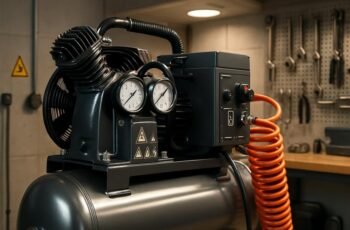
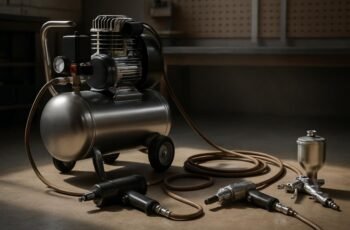
We can say a stationary air compressor’s life hinges on design intent and discipline in maintenance. In our experience, industrial-duty units with solid cooling, quality seals, and durable components outlast consumer models, especially under continuous use. But longevity also depends on your environment, load patterns, and proactive upkeep—think filters, oil checks, condensate drainage, and vibration monitoring. If you align maintenance with workload, you’ll gain a predictable, model-appropriate life with minimal downtime, and that balance begs a closer look at your setup.
Key Takeaways
- Lifespan depends on model type (industrial-duty vs consumer-grade) and usage, with industrial units lasting longer under continuous operation.
- Proper installation, quality components, and protective coatings extend corrosion resistance and stable performance.
- Duty cycle, cooling, and load patterns drive wear; heavy, continuous duty requires robust cooling and reinforced seals.
- Regular preventive maintenance (filters, oil, condensate drains, bearing checks) prevents early degradation and outages.
- Data-driven monitoring of temperature, load, and cycles informs timely maintenance and replacements to maximize life.
What a Stationary Compressor Should Last (And What It Usually Does)
What should a stationary compressor last, and what does it typically deliver in practice? We define a baseline service life in years and a practical duty cycle for continuous operation. In our assessment, quality components and proper installation yield longer corrosion resistance and stable performance under standard loads. Expect reliable units to maintain rated CFM at set pressures for a defined period, with minimal degradation in efficiency. We account for protective coatings, seals, and metallurgy that support endurance in typical workshop environments. Warranty coverage often mirrors expected life, aligning replacement incentives with durability. We emphasize maintenance-driven longevity: timely lubrication, filter changes, and compressor cooling. When these factors align, the machine delivers consistent output and predictable maintenance needs, reducing surprise failures and downtime.
Lifespan by Model Type and Use Case
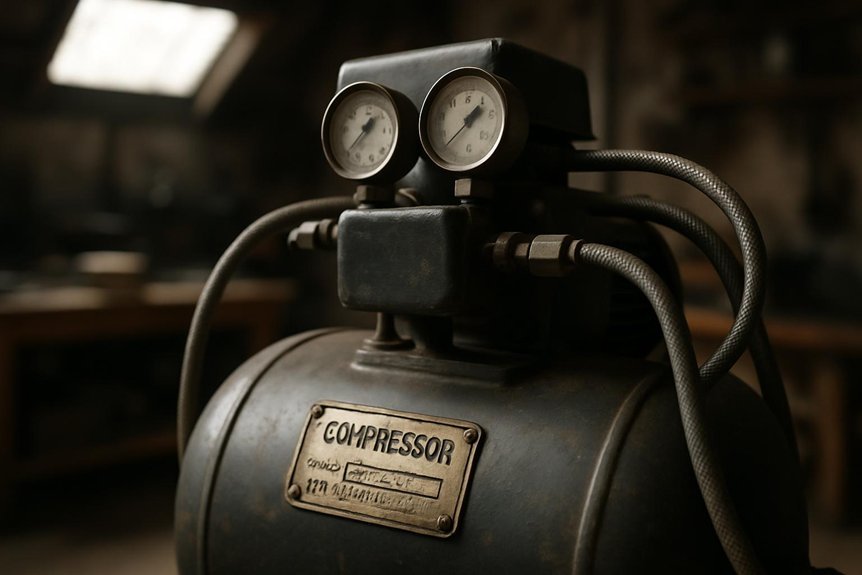
We compare lifespan expectations across different model types and how use-case durability factors influence that range. Our aim is to map variability in reliability to operating conditions, duty cycle, and maintenance patterns. This framing sets the discussion for practical, data-driven comparisons readers can apply to their specific scenarios.
Model-Type Lifespan Variability
Model-type lifespan varies notably with design intent and application, so readers should expect meaningful differences between consumer-grade portable units and industrial-duty machines. We assess lifespan by considering component stress, duty cycle, and maintenance cadence across model types. Portable units prioritize lightweight construction and lower-cost components, often sacrificing long-term fatigue resistance for portability, which reduces mean time between failures in high-use scenarios. Industrial-duty compressors emphasize robust frames, higher-quality seals, and improved cooling, extending usable life under continuous or heavy cycling. Operating environment factors—temperature, dust, humidity, and vibration—modulate wear equally across models, but their impact scales with design expectations. Consequently, we observe distinct lifespan trajectories by model type, underscoring the importance of aligning equipment choice with expected load profile and maintenance discipline. model type variability informs lifecycle planning and replacement timing.
Use-Case Durability Factors
How does your use case shape compressor durability, and why does that matter for lifespan across model types? We examine how operational stressors translate into component wear and end-to-end reliability. Duty cycle, duty hours, and load variability determine thermal profiles that directly affect wear resistance and lubrication longevity. For high-demand, continuous duty, models with robust cooling, higher-rated motors, and reinforced seals demonstrate superior lifespan, but at greater initial cost. Occasional, low-load use favors lighter frames yet may invite fatigue from start-stop cycles if control logic isn’t optimized. Ambient conditions influence corrosion risk, condensate handling, and ambient-temperature limits, altering degradation rates. Aligning use-case profiles with compressor design—tank size, valve integrity, and cooling efficiency—yields predictable life expectancy and minimizes unplanned outages.
Key Signs Your Compressor Is Worn or Failing
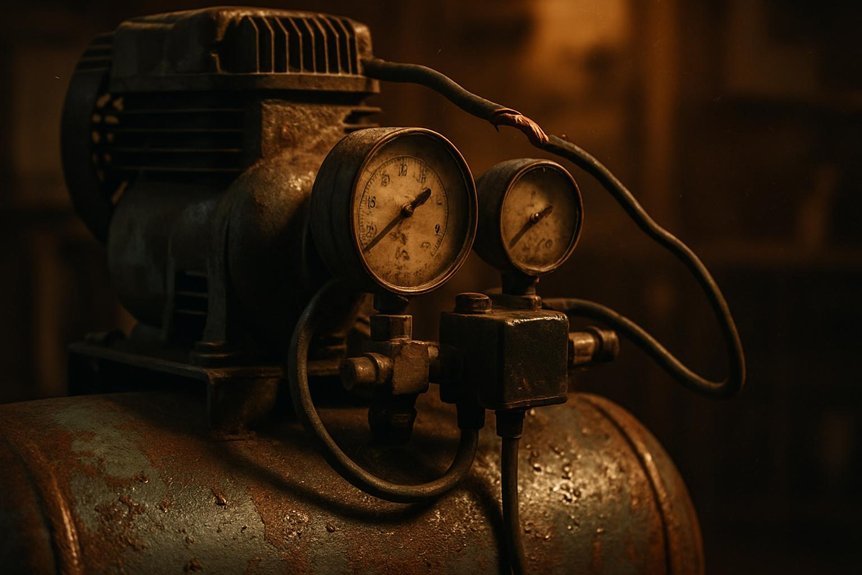
If you notice unusual noises, frequent cycling, or mounting temperature rises, these are clear indicators that a compressor is worn or failing. We assess signs methodically, distinguishing reversible issues from component wear.
- Abnormal sounds (grinding, banging) signal internal wear or misalignment.
- Short cycling persists despite steady load, indicating pressure regulator or piston wear.
- Performance degradation coincides with rising discharge temperature and reduced duty cycle.
We address why these matter: they correlate with efficiency loss, greater energy use, and potential noise anxiety for operators. In the wear context, consider accessory compatibility—wearable accessories aren’t substitutes for proper diagnostics, but they help monitoring. Early detection enables planned replacement rather than abrupt downtime, preserving reliability.
Maintenance Tasks That Extend Lifespan
From signs of wear we’ve observed, routine maintenance directly influences a stationary air compressor’s lifespan: proactive tasks prevent minor issues from compounding into failures. We approach maintenance as a structured program, not a checklist. Core tasks include regular lubricant checks, filter changes, and system pressure assessments to ensure optimal operating envelopes. Bearing inspection is critical: we monitor vibration, warmth, and play to detect early wear and decide on service intervals. Hose replacement is equally vital, preventing unseen leaks that strain pumps and reduce efficiency. Documentation of cycles, runtimes, and ambient conditions informs predictive timing. By aligning inspection intervals with manufacturer specs and performance data, we target deviations early, minimize unplanned downtime, and extend component life while preserving performance margins.
Operating Habits That Extend or Shorten Life
We’ll examine how regular duty cycles, proper lubrication, and careful load and temperature management shape compressor life. Consistent duty cycles prevent short bursts that stress end bearings, while proper lubrication reduces wear and friction at critical interfaces. By balancing load with ambient temperature and monitoring operating conditions, we can avoid overheating and extend longevity.
Regular Duty Cycles
Regular duty cycles—how often you run, rest, and cycle your compressor—directly shape component wear and overall lifespan. We analyze how duty patterns influence heat, wear, and lubrication demands, guiding maintenance planning around runtime limits. When we push into continuous operation, we increase stress on motors, valves, and cooling systems, shortening service intervals. Conversely, intentional rest periods improve thermal recovery and reduce cycling fatigue, extending life. Our recommendations balance productivity with reliability.
- Record run hours versus rest periods to stay within rated duty cycle.
- Avoid sustained continuous operation beyond manufacturer limits to prevent overheating.
- Schedule cooldown cycles after high-demand use to maintain efficiency and component health.
Proper Lubrication Practices
Do lubrication practices determine a stationary air compressor’s longevity? Yes, they define wear rates and reliability. We start with a disciplined lubrication frequency aligned to duty cycle and ambient conditions, ensuring consistent film thickness and minimizing metal-to-metal contact. Inadequate intervals amplify varnish formation, sediment buildup, and bearing stress, accelerating failure modes. We evaluate oil quality as a core input: viscosity stability, clean basestock, and additive packages that resist oxidation and foaming. We avoid cross-contamination by using dedicated pumps and filtered fill—no misfit oils. Temperature and pressure swings influence lubricant demand, so we monitor oil analysis trends and replace when signs of depletion or degradation appear. Regular checks of seals, refrigerant-cooled coolers, and oil return lines support optimal lubrication without injecting uncertainty into the system.
Load and Temperature Management
Load and temperature management hinges on operating habits that either extend or shorten a stationary air compressor’s life. We focus on load management and temperature control to minimize stress and wear. Sustained high loads raise discharge temperatures and accelerate component fatigue, while frequent cycling imitates thermal shocks. By optimizing duty cycles and ambient conditions, we reduce hot spots and oil degradation, preserving seals and valves. Below are actionable steps:
1) Monitor load profiles to avoid prolonged peak demand, enabling smoother operation and less thermal variance.
2) Implement temperature control strategies, such as adequate ventilation, ambient cooling, and heat recovery where feasible.
3) Schedule preventive maintenance aligned with observed temperature and load trends to preemptively replace stressed parts.
When to Rebuild, Retrofit, or Replace
When should you rebuild, retrofit, or replace a stationary air compressor? We evaluate based on performance, cost, and downtime impact. If output pressure and volume meet current needs with acceptable energy use, consider a retrofit vs upgrade to improve efficiency without full replacement. When reliability declines, examine failure modes; if major components (pistons, seals, valves, crankcase) show excessive wear, a rebuild can restore factory specs at lower cost than replacement. For obsolete models, or when compressors fail to support future demand, replacement is prudent. Compare rebuild vs replace costs against anticipated run time and maintenance. Retrofit vs upgrade is chosen when a modern control system or variable-speed drive yields meaningful efficiency gains without discarding core assets. Avoid unnecessary downtime by selecting the option with lowest total cost of ownership.
Quick, Actionable Guide to Prolonging Longevity in Your Shop
Untangling longevity starts with practical upkeep. We, as technicians, present a concise framework to extend a stationary compressor’s life by enforcing discipline in daily operation and maintenance. By tracking load patterns and maintaining air quality, we reduce stress and corrosion, sustaining performance over time. Our plan centers on reliability through standardized checks and disciplined timing.
- Inspect and replace intake filters every 200–300 hours to curb particulates that degrade cool-down efficiency.
- Drain condensate and verify moisture separators weekly, preventing rust and downstream damage.
- Schedule oil level and compressor coolant checks monthly, ensuring proper lubrication and thermal balance.
Two word idea, two word idea, clearly aligned with data-driven diagnostics and preventive actions, guides our approach. Adhere to these steps for measurable longevity gains.
Frequently Asked Questions
How Does Ambient Temperature Affect Compressor Longevity?
Ambient temperature affects compressor longevity: higher temperatures accelerate wear, reduce lubrication quality, and increase thermal cycling stress. We monitor lubrication quality, guarantee proper cooling, and maintain ambient temperature control to minimize corrosion, seal degradation, and component fatigue.
Do Warranties Cover Wear-Related Failures or Only Defects?
Warranties rarely cover wear related failures; coverage limitations apply. We confidently tell you, reader, that defects are protected while wear-related wear isn’t guaranteed—ironically, ongoing use reveals true coverage boundaries, and warranties prioritize initial defects over gradual degradation.
Can Non-Oem Parts Shorten Compressor Lifespan?
Non OEM parts can shorten lifespan due to compatibility and quality variances, especially at extreme ambient temperature. We recommend OEM components for reliability, monitoring ambient temperature, and performing routine diagnostics to mitigate premature wear and unexpected failures.
How Loud Is a Failing Unit Compared to a Healthy One?
A failing unit is noticeably louder, with peak decibel jumps and irregular, pulsating tones indicating mechanical wear; we use loudness indicators to quantify this, and the failing unit noise consistently surpasses healthy levels, signaling imminent performance degradation.
What Insurance Considerations Exist for Shop Equipment Failures?
We insure against shop equipment failures by evaluating wear costs and setting clear service intervals, which mitigate risk and preserve value. We, as readers, should quantify exposure, document coverage gaps, and align premiums with actual maintenance practices.
Conclusion
We’ve seen that a stationary air compressor’s life isn’t a lottery ticket—it’s a function of design rigor, disciplined maintenance, and workload alignment. With robust cooling, quality seals, and proactive upkeep, you can push total hours well beyond the common consumer-grade ceiling. Think of your maintenance plan as the pulse that keeps the system in rhythm; neglect it and wear accelerates. Stay data-driven, monitor signs, and optimize usage to safeguard your investment and minimize downtime.