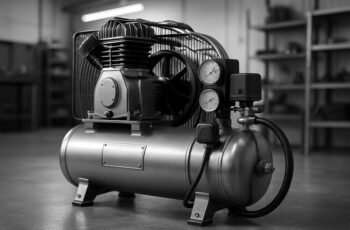
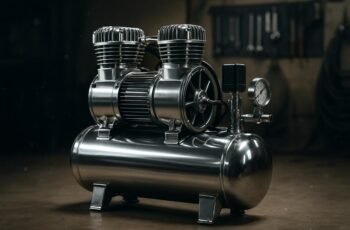
We understand draining a stationary air compressor tank isn’t a one-size fix. We adjust by use, duty cycle, and environment, because more load and humidity mean more condensate. We’ll keep a standard depressurized drain routine and consider automatic options where possible, while documenting cycles and seasonal tweaks. If you want practical steps, signs you’re overdue, and tips to extend tank life, we’ve got to look at it all and stay vigilant. Let’s start with what matters most in your setup.
Key Takeaways
- Drain based on workload and duty cycle, not a fixed schedule; heavy use requires more frequent draining.
- Regular checks are essential even for short tasks; environmental factors may demand adjustments seasonally.
- Use a controlled valve drain with depressurized tank; avoid leaks by draining only after pressure release.
- Manual vs automatic drains should be tested during maintenance windows and documented for consistency.
- Look for signs of buildup (condensate, rust, damp spots) and recalibrate routine to prevent moisture-related damage.
Why Drain a Stationary Compressor Tank
Why drain a stationary compressor tank? We do this to control moisture, which can accumulate from intake air and condensation. Our goal is predictable performance and longer life, not guesswork. If we ignore draining, we invite corrosion risks inside the tank and downstream lines, potentially compromising tank integrity and filters. We separate fact from drain frequency myths and adopt a simple routine that matches our usage. Draining briefly after every session reduces water buildup and helps prevent rust, pitting, and scale. We avoid over-draining, which wastes air and stresses valves. Use a standard, controlled valve drain, and verify that the tank is depressurized before opening. Regular checks complement our procedure, reinforcing reliability without overcomplication.
How Often to Drain by Use and Environment
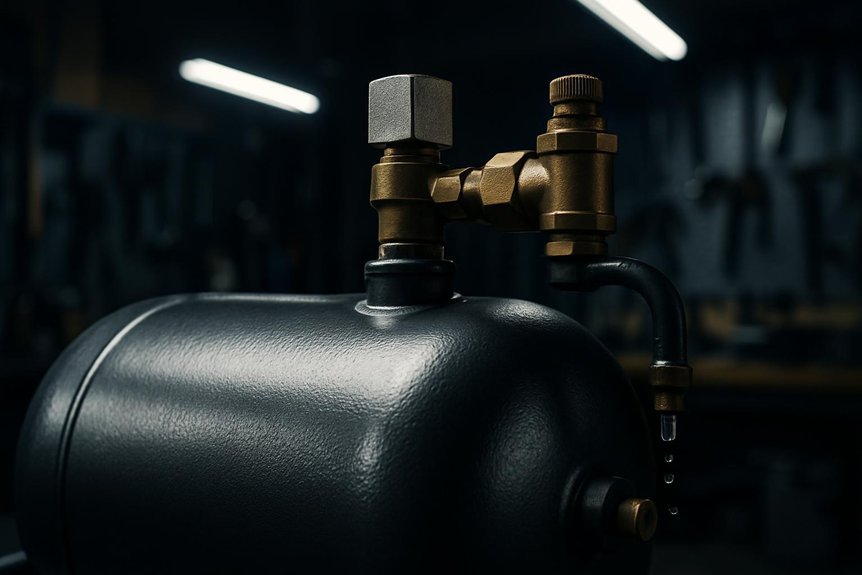
How often you drain a stationary air compressor tank depends on how you use it and the environment it runs in. We assess drain frequency by workload, duty cycle, and storage conditions, not by a fixed calendar date. If you run heavy, continuous tasks, drain more often to remove condensation quickly. Shorter, intermittent jobs still require regular checks to prevent moisture buildup. Environmental factors like ambient humidity, temperature swings, and the presence of corrosive vapors influence corrosion risk and condensate formation, so adjust accordingly. We watch for rust, sludge, or oily water in the bowl and discharge line. Set routines that fit your use pattern, then tweak as seasons or tasks change. Consistent attention minimizes downtime and maintains tank integrity.
Drain Methods: Step-by-Step (Manual and Automatic Options)
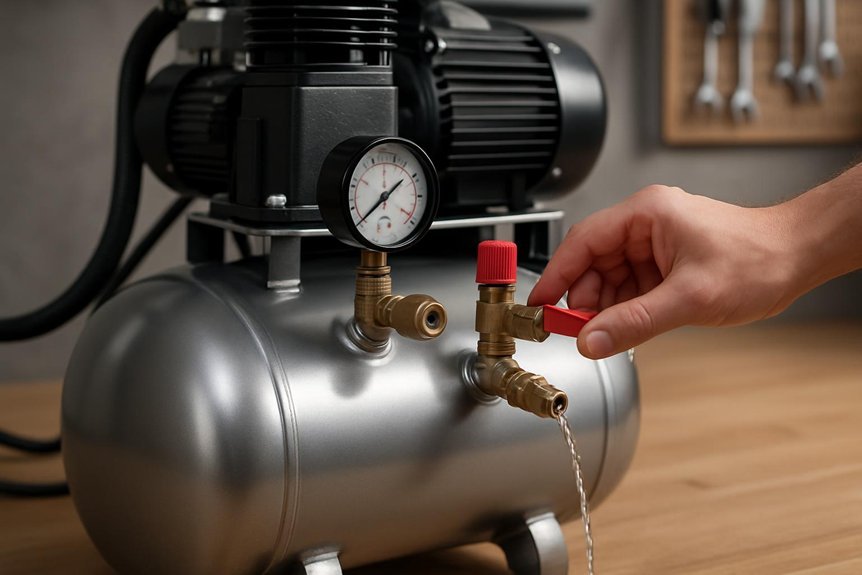
Drain methods come down to two practical paths: manual and automatic. We present clear steps so you can choose and implement with confidence. Manual draining starts with powering down, releasing pressure, and opening the drain valve incrementally to let condensate escape. Close the valve, inspect for residue, then repeat as needed until the tank is dry at the outlet. Automatic drains rely on integrated sensors or timers; set the cycle to suit your operating hours and load profile, and verify with periodic manual checks. Prioritize drain reliability by testing both approaches during maintenance windows. Tie your method to maintenance schedules: document dates, results, and any adjustments. We’ll help you sustain consistent pressure, minimal moisture, and predictable toolbox performance.
Signs You’re Overdue to Drain and What to Do
We’ll know it’s overdue when condensate starts stacking up or the tank pressure dips unexpectedly, and you can’t ignore the telltale moisture in the lines. We’re readers and doers, so we watch for clear indicators before problems escalate. Moisture signs appear as watery drips, rust on fittings, or damp spots near the drain valve. If you notice consistent buildup, it’s time to adjust drain scheduling rather than risk corrosion or corrosion-related leaks. Prioritize a simple, repeatable routine: inspect daily, drain when needed, document results, and extend the interval only if readings stay steady. If pressure fluctuates or you see oil in the condensate, recalibrate and verify filter or regulator health. In short, act promptly, track results, and keep a predictable pace.
Moisture Prevention Tips to Extend Tank Life
Keeping moisture under control is how we extend the life of your stationary air compressor tank. We focus on moisture prevention because moisture buildup drives tank corrosion and reduces efficiency. Start with condensate management: drain and separate liquids at the source, and use a proper automatic drain where possible. Monitor operating temperature; higher temps increase vapor and condensate formation, so adjust load and use cooling when feasible. Inspect seals and fittings for leaks to prevent moisture intrusion. Use desiccant air dryers or filters when humidity is high, especially in humid environments. Schedule regular moisture checks, and track results to validate prevention steps. By combining timely drainage with proper filtration and temperature control, we minimize moisture buildup and extend tank life.
Frequently Asked Questions
Can Draining Affect Compressor Warranty Coverage?
Yes, draining can affect warranty coverage if neglected; we recommend routine drainage as part of maintenance, especially with varying ambient temperature, to prevent moisture damage and preserve warranty terms on your compressor’s components and seals.
What Are Common Mistakes When Draining a Tank?
Like clockwork, we drain regularly to avoid issues. Common mistakes include ignoring drainage timing and letting moisture buildup persist; never skip the drain, and don’t wait for obvious rain or rust—address moisture promptly, every time.
Should I Drain After Every Use or Only Periodically?
We drain after every use for best results, since drain frequency matters. We’ll follow practical maintenance tips: loosen the drain valve, let moisture escape, and inspect for leaks regularly to preserve efficiency and prevent rust.
How Does Ambient Temperature Impact Drainage Frequency?
We understand ambient temperature affects drainage frequency: hotter air holds more moisture, so drain more often in heat; cooler climates need less. We observe leakage indicators, note after use vs periodic draining, and consider warranty impact.
Can Drainage Volume Indicate a Leaking Tank?
Drainage volume can signal a leak, but it isn’t definitive; we monitor drainage frequency and observe tank corrosion indicators. If abnormal, we inspect fittings, test for leaks, and adjust maintenance to prevent damage and assure safe operation.
Conclusion
We understand the drain schedule isn’t a mystery novel with a single villain. It’s a living routine, shaped by how hard we work the compressor, the humidity in the air, and the temperatures that tug condensate loose. So we drain regularly, document cycles, and tweak as seasons shift. Think of it as watering a stubborn plant: steady, attentive care keeps the tank singing, corrosion at bay, and performance reliable when you need it most.