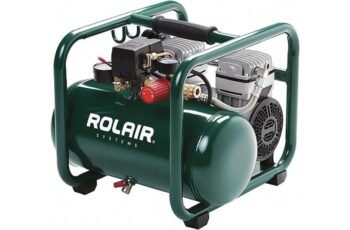
A jobsite without an outlet doesn’t have to be a jobsite without compressed air. We’ll assess how this 6.5HP gas-powered compressor’s 12 CFM output, 125 PSI maximum pressure, and 9.5-gallon twin tanks support common tools and tasks. We’ll also weigh its portability against fuel use, exhaust, noise, and maintenance needs. The key question is whether its output matches your tools—and where its limits become clear.
Key Takeaways
- The 6.5 HP gasoline engine and dual-cylinder pump deliver up to 12 CFM at 125 PSI for compatible jobsite tools.
- Its 9.5-gallon twin tanks provide stored air, but sustained high-demand work can still trigger frequent cycling.
- Gas-powered operation suits remote sites without electricity, while the compact, rugged frame supports transport between work areas.
- Fuel costs, exhaust, and engine noise are trade-offs; operate with adequate ventilation and consider nearby noise-sensitive areas.
- Check tool airflow requirements and plan for routine engine and pump maintenance, including oil, filters, belts, and fittings.
6.5HP Gas-Powered Compressor
When a jobsite lacks electrical power, this 6.5HP gas-powered compressor delivers 12 CFM at pressures up to 125 PSI. That output supports several pneumatic tools, including framing and roofing nailers, while also serving tire inflation, auto repair, and spray painting tasks.
Its gasoline engine lets us work at construction sites, farms, garages, and other outdoor locations without relying on an electrical supply. When you assess performance, consider the tool’s airflow and pressure requirements alongside the compressor’s capacity. Fuel efficiency and noise levels also matter during extended operation, particularly where fuel access, operating duration, or nearby workers affect how we plan and manage the job.
Detailed features
The compressor pairs a 6.5 HP gasoline engine with a dual-cylinder piston pump to deliver 12 CFM at up to 125 PSI. This output supports framing, roofing, tire inflation, spray painting, and auto-repair tools. The 9.5-gallon twin-tank system stores air and helps reduce cycling, while its compact, rugged frame suits sites without electricity.
| Feature | Jobsite function |
|---|---|
| Dual-cylinder pump | Improves compression and cooling |
| 9.5-gallon tank capacity | Stores air between demand cycles |
Piston durability comes from the pump’s design, which supports extended service life. We can transport the unit among construction sites, farms, garages, and outdoor work areas; check tool requirements against its airflow and pressure ratings.
Pros and Cons
We’ll weigh the 6.5 HP engine’s 12 CFM output, 125 PSI limit, and 9.5-gallon twin-tank capacity against the compressor’s portability and maintenance demands.
These specifications support many pneumatic tools, but they don’t eliminate trade-offs in runtime, noise, or transport. Let’s examine the main pros and cons for your jobsite needs.
Pros
With its 6.5 HP gas engine, this compressor delivers 12 CFM at up to 125 PSI, supporting demanding pneumatic tools without relying on electrical power. We can use it for framing, roofing, tire inflation, auto repair, and spray painting at remote locations.
Gasoline operation provides fuel autonomy, while the compact, rugged frame improves jobsite mobility across construction sites, farms, and outdoor work areas. Its 9.5-gallon twin-tank system stores compressed air and helps reduce cycling during use.
The dual-cylinder piston pump supports efficient compression and cooling, contributing to durable operation. Together, these features give us practical, portable air power for varied tasks without a fixed electrical supply.
Cons
Despite its jobsite portability and 12 CFM output, this gas-powered compressor has trade-offs: its 9.5-gallon tank limits stored air, so sustained high-demand tools may cause frequent cycling, and the 6.5 HP engine requires gasoline and produces exhaust and noise.
Fuel consumption adds operating costs, especially during extended work, and we’ll need to carry fuel to sites without convenient supplies. Noise levels may also restrict use near occupied buildings or in noise-sensitive areas.
At 125 PSI, the compressor suits many pneumatic tools, but airflow and tank capacity may not meet every continuous-duty demand. We should also account for routine engine and pump maintenance.
Concluding thoughts
For job sites without reliable electricity, this 6.5 HP gas-powered compressor offers 12 CFM airflow at up to 125 PSI, backed by a 9.5-gallon twin-tank system that helps limit cycling. Its dual-cylinder piston pump supports cooling and service life, while the rugged, compact frame suits transport between work areas.
We can use it for tire inflation, auto repair, framing, roofing, spray painting, and compatible pneumatic tools. Before buying, compare tool air demands with the compressor’s output and account for fuel access, noise, and ventilation.
Purchase considerations should also include maintenance expectations: check oil, filters, belts, and fittings regularly to support dependable operation over time.
Frequently Asked Questions
What Maintenance Does the Gasoline Engine Require?
We should follow the engine manufacturer’s schedule for Oil changes, checking oil before each use and replacing it at specified intervals. We should also inspect and perform Air filter cleaning regularly, replacing damaged filters to protect engine performance.
What Type of Fuel Does the Compressor Use?
We use unleaded gasoline—the irony is that this portable compressor needs fuel before it can deliver air. Its Gasoline fuel type powers the 6.5 HP engine; check the manufacturer’s manual for octane and fueling requirements.
How Loud Is the Compressor During Operation?
We can’t confirm its Noise level because no decibel rating is provided. Since gasoline engines and piston pumps generate substantial sound, we recommend wearing Hearing protection and checking the manufacturer’s specifications before operating it nearby.
Can It Be Used Safely in Enclosed Spaces?
No—we shouldn’t run this gasoline compressor in enclosed spaces; its exhaust is a silent tide of Carbon monoxide danger. Use it outdoors only, since indoor ventilation can’t reliably prevent deadly buildup.
What Accessories Are Needed to Connect Pneumatic Tools?
To connect pneumatic tools, we’ll need a pressure-rated air hose, compatible Quick connect couplers, air hose fittings, and tool-specific adapters. We should also use a regulator and gauge to match each tool’s required operating pressure.
Conclusion
We find this 6.5HP gas-powered compressor a practical choice for jobsites without electrical access. Its 12 CFM output and 125 PSI maximum can support compatible nailers, tire inflation, and some spray-painting tasks, while the 9.5-gallon twin tanks help buffer demand. That 12 CFM rating is the key figure to compare with your tools’ requirements before buying. We also recommend planning for fuel, ventilation, noise, and routine engine and pump maintenance to keep portable operation safe and dependable.