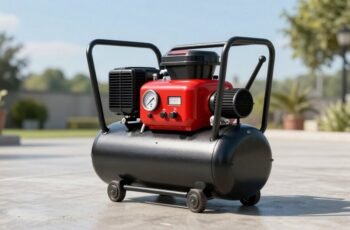
As we explore the potential of eco-friendly air compressors, it’s clear they can substantially enhance operational efficiency while reducing environmental impact. Their advanced features, like variable speed drives and high-efficiency motors, are designed to optimize energy use and lower emissions. However, understanding how these systems compare and whether they align with specific operational needs requires a detailed analysis. Let’s examine what makes these compressors a strategic investment for sustainable practices.
Key Takeaways
- Look for compressors with variable speed drives (VSDs) to optimize energy use based on demand.
- Choose models with high-efficiency motors certified by Energy Star or similar standards.
- Prioritize units with heat recovery systems to repurpose waste heat and improve overall energy efficiency.
- Consider oil-free or quieter systems to reduce emissions and noise pollution for a greener operation.
- Evaluate long-term cost savings through reduced energy consumption and maintenance, supporting sustainability goals.
What Are Eco-Friendly Air Compressors and How Do They Work
While traditional air compressors can be significant sources of energy consumption and emissions, eco-friendly variants are designed to minimize environmental impact through advanced technology and efficient operation. These compressors incorporate variable speed drives, which optimize motor speed to match demand, reducing unnecessary energy use. They often utilize high-efficiency motors and improved compression techniques, such as oil-free or quieter compression systems, to lower emissions and noise levels. Additionally, smart controls monitor operational parameters, enabling precise adjustments that maximize efficiency. Many eco-friendly models also integrate heat recovery systems, repurposing waste heat for other processes or heating needs, further reducing overall energy consumption. By leveraging these innovations, eco-friendly air compressors achieve sustainable performance without sacrificing productivity, making them a strategic choice for environmentally conscious industries.
Key Benefits of Choosing Eco-Friendly Air Compressors
Choosing eco-friendly air compressors offers several compelling benefits that align with both operational efficiency and environmental sustainability. They reduce energy consumption, which lowers operational costs and minimizes carbon footprints. Their advanced technology often results in quieter operation and improved durability, decreasing maintenance needs over time. Additionally, these compressors support regulatory compliance and enhance corporate sustainability profiles. To illustrate:
| Benefit | Impact | Example |
|---|---|---|
| Energy efficiency | Decreases operating costs | Reduced electricity bills |
| Lower emissions | Environmental impact mitigation | Reduced greenhouse gases |
| Reduced noise pollution | Workplace safety and community relations | Less disturbance in shared environments |
How to Evaluate the Efficiency of Eco-Friendly Air Compressors
To accurately assess the efficiency of eco-friendly air compressors, we must analyze key performance metrics that reflect both energy consumption and operational effectiveness. First, specific power consumption (kW per CFM) indicates how efficiently the compressor converts energy into compressed air, with lower values signifying better efficiency. Second, the isentropic efficiency measures how closely the compressor approaches thermodynamic ideal performance, revealing potential energy savings. Third, operational uptime and maintenance intervals provide insight into durability and long-term efficiency, reducing downtime and energy waste. By focusing on these metrics, we gain a holistic understanding of an air compressor’s sustainable performance, enabling us to make informed, environmentally responsible choices that optimize energy use and minimize ecological impact.
Top Features to Look for in a Sustainable Air Compressor
When selecting a sustainable air compressor, it’s essential to prioritize features that maximize energy efficiency and reduce environmental impact. Key attributes include variable speed drives, which adapt motor output to demand, greatly lowering energy consumption during idle periods. Advanced thermal management systems improve heat recovery, decreasing waste and enhancing overall efficiency. Look for units with high-efficiency motors rated by Energy Star or equivalent certifications, indicating lower power usage. Additionally, integrated moisture management reduces the need for energy-intensive filtration, maintaining ideal performance with less energy. Noise reduction features also contribute indirectly to sustainability by enabling quieter operation, which reduces the need for additional soundproofing. Ultimately, these features collectively enhance operational efficiency, minimize carbon footprint, and align with sustainable practices.
Comparing Popular Eco-Friendly Air Compressor Models
When comparing eco-friendly air compressor models, efficiency and power are critical metrics that influence operational sustainability. We also analyze cost and maintenance requirements to assess long-term viability and environmental impact. This approach enables a clear understanding of which models optimize performance while minimizing ecological footprints.
Efficiency and Power
How do the most popular eco-friendly air compressors compare in regard to efficiency and power? Generally, these models prioritize energy conservation without sacrificing output.
- Variable Speed Drive (VSD) Compressors: These units optimize power consumption by adjusting motor speed based on demand, markedly reducing energy waste.
- Inverter-Driven Compressors: Similar to VSD models, they provide precise control over power output, maintaining consistent pressure with minimal energy use.
- Centrifugal Compressors: Known for high efficiency at large-scale applications, they leverage aerodynamic design to maximize airflow while minimizing power input.
Cost and Maintenance
Evaluating the cost and maintenance requirements of eco-friendly air compressors reveals notable differences among popular models. Variable initial investments are evident, with inverter-driven screw compressors typically costing more upfront but offering lower operating expenses due to increased energy efficiency. Maintenance demands also vary; models with advanced filtration and smart monitoring systems reduce downtime and extend component lifespan, decreasing long-term costs. Oil-free compressors, while eliminating oil-related maintenance, may require more frequent part replacements, impacting overall expenses. Reliability and ease of access to consumables influence operational costs, with some units designed for simplified servicing. Overall, selecting a model involves balancing initial capital against ongoing maintenance, emphasizing the importance of analyzing total cost of ownership in sustainable compressor choices.
Installation Tips for Maximizing Energy Savings
Proper installation of eco-friendly air compressors is essential to maximize energy efficiency and reduce operational costs. Correct placement minimizes energy losses and optimizes airflow. To achieve this, consider these key tips:
Proper compressor placement reduces energy loss and enhances efficiency for eco-friendly operation.
- Position the compressor in a cool, dry, and ventilated area to prevent overheating and improve operational efficiency.
- Ensure proper piping layout with minimal bends and length to reduce pressure drops and airflow resistance.
- Implement reliable electrical connections and controls to optimize startup performance and energy consumption.
Maintenance Practices to Keep Your Eco-Friendly Compressor Running Efficiently
Maintaining your eco-friendly compressor regularly is essential to ensuring it operates at peak efficiency and minimizes energy consumption. Consistent inspection of filters, seals, and valves prevents airflow restrictions and leaks that can compromise performance. Lubrication should be monitored and applied according to manufacturer specifications to reduce wear and energy loss. Regularly cleaning cooling components avoids thermal buildup, maintaining ideal operating temperatures. Implementing predictive maintenance techniques, such as vibration analysis and temperature monitoring, allows early detection of component degradation, preventing costly failures. Additionally, tracking operational metrics helps identify inefficiencies and optimize workload distribution. By adhering to a disciplined maintenance schedule grounded in technical precision, we extend the lifespan of the compressor, improve sustainability, and maximize energy savings—all vital for environmentally conscious operations.
Is an Eco-Friendly Air Compressor Right for Your Needs?
Evaluating whether an eco-friendly air compressor aligns with your operations involves analyzing energy efficiency, potential cost savings, and environmental impact. These systems typically reduce power consumption, leading to lower operational costs and a smaller carbon footprint. Understanding your specific needs will help determine if the sustainability benefits justify the initial investment.
Energy Efficiency Benefits
Have you considered how an eco-friendly air compressor can considerably enhance your energy efficiency? These systems leverage advanced technologies to optimize power consumption and minimize waste.
- Variable Speed Drives (VSDs): Adjust motor output to match demand precisely, reducing unnecessary energy expenditure.
- Leak Prevention and Management: Improved sealing and monitoring decrease compressed air losses, ensuring energy isn’t wasted maintaining pressure.
- Heat Recovery Systems: Capture waste heat for other applications, lowering overall energy consumption by repurposing energy that would otherwise be lost.
Cost Savings Potential
Is investing in an eco-friendly air compressor a financially viable choice for your operation? The potential for cost savings hinges on reduced energy consumption and lower maintenance requirements. Eco-friendly models often incorporate advanced variable speed drives, optimizing power use during fluctuating demand, which diminishes electricity bills over time. Additionally, their enhanced durability and reduced wear extend service intervals, decreasing downtime and repair costs. While the initial capital investment may be higher, the long-term operational savings can offset this expense. Analyzing your specific usage patterns and energy costs is essential to determine payback periods. Overall, eco-conscious technologies in air compressors can deliver significant financial benefits by improving efficiency and reducing ongoing expenditures, making them a compelling choice for sustainable and cost-effective operations.
Environmental Impact Considerations
Considering the environmental footprint of your operations, the decision to invest in an eco-friendly air compressor warrants careful evaluation. These units typically produce fewer emissions, consume less energy, and reduce overall waste.
- Emissions Reduction: Eco-compressors often incorporate advanced technologies, such as variable speed drives, which lower greenhouse gas output during operation.
- Energy Efficiency: They optimize power use, minimizing electricity consumption and decreasing your carbon footprint.
- Waste Minimization: Improved filtration and maintenance features extend equipment lifespan and reduce oil and particulate waste.
Assessing these factors helps determine if an eco-friendly compressor aligns with your sustainability goals. While initial costs may be higher, the long-term environmental benefits and compliance with regulations often justify the investment.
Frequently Asked Questions
What Is the Typical Lifespan of an Eco-Friendly Air Compressor?
Eco-friendly air compressors typically last 8 to 15 years with proper maintenance, thanks to durable components and energy-efficient designs. We recommend regular inspections and timely part replacements to maximize lifespan and sustain ideal, eco-friendly performance over time.
Are Eco-Friendly Compressors More Expensive Upfront?
Eco-friendly compressors generally have higher upfront costs due to advanced, sustainable technology integration. However, we find that their energy efficiency and reduced operational costs often offset initial expenses, making them a cost-effective, environmentally responsible investment over time.
Can Eco-Friendly Compressors Operate at Higher Altitudes?
Yes, eco-friendly compressors can operate at higher altitudes, but their efficiency depends on design adaptations like enhanced cooling systems and altitude-specific calibrations, which optimize performance while maintaining sustainability and energy conservation at these elevated locations.
How Do Eco-Friendly Compressors Impact Overall Operational Costs?
Eco-friendly compressors generally lower operational costs by reducing energy consumption and maintenance needs. Their efficient design and sustainable components lead to long-term savings, making them a financially and environmentally advantageous choice for ongoing operations.
Are There Specific Certifications to Look for in Eco-Friendly Models?
Yes, we look for certifications like ISO 14001, ENERGY STAR, and Eco-Label, as they verify environmental standards, energy efficiency, and sustainability practices, ensuring the compressor aligns with rigorous eco-friendly criteria for ideal operational and environmental performance.
Conclusion
In choosing an eco-friendly air compressor, we prioritize energy efficiency, environmental impact, and operational savings. We evaluate performance, compare advanced features, and implement ideal installation and maintenance practices. We recognize that sustainability isn’t just a trend but a strategic necessity—driving innovation, reducing costs, and fostering responsible business practices. Ultimately, adopting eco-friendly compressors aligns operational excellence with environmental stewardship, ensuring that our commitment to sustainability translates into tangible, long-term benefits for both our business and the planet.